Your Comprehensive Guide to Mastering the FBC Test in St Albans
What Are the Essential Steps Involved in the FBC Test Process?
Private FBC Test in St Albans: The FBC test, widely recognised as the Full Blood Count test, is a straightforward yet crucial procedure that entails the collection of a blood sample from patients at local clinics in St Albans. To ensure a seamless experience, patients are encouraged to arrive early, communicate their purpose clearly, and remain calm and composed throughout the process. A qualified healthcare professional will undertake the venepuncture, meticulously gathering the blood sample in a sterile container specifically designed for laboratory analysis. Such meticulous attention to detail is vital for achieving precise and meaningful results.
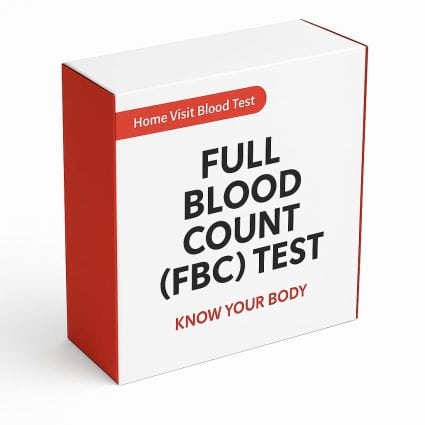

A critical aspect of this procedure involves the accurate identification of the patient. This step is paramount as it ensures that all personal details are correct and current. Following the blood sample collection, patients may receive a small adhesive bandage over the puncture site. It is advisable for patients to refrain from engaging in strenuous activities for a brief period following the test to aid recovery. Once collected, the samples are sent to a laboratory where they undergo comprehensive analysis of various blood parameters, offering valuable insights into the patient’s overall health status.
What Key Preparatory Steps Are Important for an FBC Test?
<pPreparation for an FBC test is essential for achieving accurate and trustworthy results. Generally, patients are advised to fast for a minimum of 8 hours before the test to stabilise their blood composition. This fasting period is crucial, as it ensures that the test reflects genuine health metrics. Furthermore, maintaining adequate hydration is vital, as it can make the blood draw easier, thereby enhancing the overall experience.
When visiting a clinic for the test, patients should ensure they have the following essential items with them:
- Photo identification
- NHS card or relevant medical information
- A list of current medications
- Any pertinent health records, if applicable
Understanding these components greatly facilitates a more effective and hassle-free testing process, leading to an improved health management experience for all parties involved, thus underscoring the significance of preparation in healthcare procedures.
How Can Patients Effectively Understand Their FBC Test Results?
In St Albans, healthcare professionals meticulously analyse the FBC test outcomes while considering local health indicators. Key test results, including red blood cell count, haemoglobin levels, and various white blood cell types, are carefully evaluated to provide a thorough understanding of the patient’s health status.
Common interpretations of these results often focus on identifying potential health conditions, such as anaemia, infections, or various blood disorders. Practitioners will take into account the patient’s medical history and any current symptoms, ensuring a comprehensive approach to health management. This contextual understanding is critical in providing tailored advice and necessary interventions when appropriate, ultimately aiding patients in making informed health decisions.
What Benefits Are Associated with Regular FBC Testing in St Albans?
Regular FBC testing provides significant advantages for individuals living in St Albans. It allows for the early detection of various health issues, including anaemia and infections, enabling timely intervention. Local NHS guidelines strongly advocate for routine blood tests, especially for individuals with chronic illnesses or those above a certain age, as these tests can reveal critical health insights.
Moreover, these tests provide essential insights into one’s blood health, aiding in improved overall wellness management. It is recommended that individuals schedule regular tests, ideally every 1 to 2 years for healthy adults, to remain vigilant about their health. By recognising the long-term benefits of consistent testing, patients can promote proactive healthcare and empower themselves to make informed decisions regarding their health management, ultimately enhancing their quality of life.
Expert Insights on FBC Test Procedures in St Albans
How Are FBC Tests Conducted by Professionals in St Albans?
Medical professionals in St Albans execute FBC tests using standardised techniques honed through extensive experience and training. Blood samples are collected in a controlled environment to ensure sterility and accuracy throughout the procedure, which is crucial for obtaining dependable results.
For example, healthcare practitioners employ venepuncture while strictly following NHS protocols. This meticulous adherence not only guarantees patient safety but also enhances the reliability of the test results. Real-world examples from local clinics illustrate that experienced phlebotomists can efficiently draw blood, minimising patient discomfort while optimising sample quality, which is essential for effective healthcare delivery.
What Innovative Techniques Are Being Implemented in FBC Testing?
Recent advancements in FBC testing methodologies within UK laboratories have significantly improved accuracy and efficiency. The incorporation of automated analysers has streamlined the testing process, enabling high-throughput sample analysis, which increases the testing capacity without sacrificing quality.
To maximise the precision of test results, laboratories can adopt several best practices, including:
- Regular calibration of laboratory equipment to uphold accuracy
- Standardisation of sample processing procedures to ensure consistency
- Comprehensive training for staff on updated testing techniques to keep them informed
- Routine quality control checks to verify results and ensure reliability
These actionable measures ensure that healthcare professionals in St Albans deliver precise results, ultimately benefiting patient care and enhancing overall health outcomes, thereby reinforcing the credibility of the testing process.
How Is the Reliability of FBC Tests Evaluated?
Ensuring the reliability of FBC tests in St Albans requires strict adherence to quality control measures. Expert opinions underline the significance of consistent techniques and protocols throughout both the sample collection and analysis phases to minimise potential errors.
Healthcare facilities must establish robust systems for monitoring errors and discrepancies in results. Regular audits, coupled with comprehensive staff training sessions, enhance the overall reliability of testing practices. This proactive approach enables practitioners to confidently trust the outcomes they provide to patients, fostering a culture of quality healthcare and patient safety.
What Role Does the FBC Test Play in Contemporary Healthcare?
Why Is the FBC Test Essential to Routine Health Assessments?
The FBC test holds a pivotal role in routine health check-ups, serving as a first-line defence in preventive care across England. These tests can unveil critical health information, leading to early interventions that can significantly improve patient outcomes and quality of life.
For instance, identifying low haemoglobin levels can indicate potential anaemia, prompting further investigation and timely treatment. By integrating routine FBC tests into standard health assessments, healthcare providers enhance patients’ awareness of their blood health, contributing to overall wellness and informed healthcare choices, which is vital in modern healthcare.
What Are the Primary Applications of the FBC Test in Treatment Plans?
The FBC test is indispensable in numerous treatment scenarios within UK medical practices. Its applications encompass:
- Diagnosing infections that may necessitate immediate attention
- Monitoring chronic diseases such as diabetes to observe health changes
- Assessing blood disorders that could affect treatment options
- Evaluating responses to treatments like chemotherapy, ensuring effectiveness
Each application highlights the test’s significance in informing effective treatment plans and monitoring patient progress over time, thereby solidifying its role as a cornerstone of healthcare and patient management.
Why Is the FBC Test Crucial for Accurate Diagnosis?
The FBC test serves as a vital instrument for accurate diagnosis within English healthcare settings. Evaluating a multitude of blood parameters aids healthcare professionals in identifying a broad spectrum of health issues, ranging from infections to blood-related disorders, ensuring patients receive appropriate care.
Early detection facilitated by FBC tests can lead to timely treatment interventions, which may significantly enhance patients’ prognosis and quality of life. This diagnostic capability is critical in addressing health concerns before they escalate, reinforcing the test’s importance in comprehensive healthcare provision and patient outcomes.
Research-Backed Benefits of the FBC Test in St Albans
What Health Improvements Can Regular FBC Tests Bring About?
Research indicates that regular FBC tests can lead to substantial health improvements, including the earlier diagnosis of conditions such as anaemia or leukaemia. These tests yield actionable insights, enabling patients to work collaboratively with their healthcare providers to proactively address emerging health concerns.
To maximise the benefits of FBC tests, patients should:
- Schedule tests regularly according to healthcare recommendations to remain informed
- Engage in thorough discussions about results with their doctors to understand implications
- Implement lifestyle changes based on findings from their tests to enhance health
- Consistently monitor relevant health indicators to track progress
These proactive measures empower patients to take an active role in managing their health and well-being, underscoring the importance of regular health assessments.
What Are the Long-Term Benefits of Consistent FBC Testing?
In St Albans, the long-term advantages of ongoing FBC testing are evident in improved health outcomes. For example, patients who regularly monitor their blood parameters are often better equipped to manage chronic conditions effectively, leading to enhanced health status.
Real-world evidence suggests that individuals who undergo routine FBC tests frequently experience fewer complications and improved overall health. These continuous assessments foster a proactive approach to healthcare, enabling timely adjustments to treatment and lifestyle based on test results, thus enhancing quality of life.
How Is the Effectiveness of FBC Test Interventions Evaluated?
The effectiveness of FBC test interventions can be gauged through improved health management within the UK. By tracking patient outcomes post-testing, healthcare providers can assess the impact of early interventions enabled by thorough blood work.
This ongoing evaluation allows for necessary adjustments to healthcare strategies, ensuring that patients receive the most effective care tailored to their unique health profiles. Integrating FBC test results into treatment planning underscores its role in advancing health management and overall patient satisfaction.
What Are the Risks and Mitigation Strategies Associated with FBC Testing in St Albans?
While FBC tests are generally safe, there are potential risks, including bruising or infection at the puncture site. Research in the UK indicates that these risks remain minimal when proper clinical procedures are adhered to, emphasising the importance of following protocols.
To mitigate concerns related to FBC testing, patients can:
- Ensure that clinics implement strict hygiene protocols to minimise risks
- Disclose any existing blood-clotting disorders to healthcare providers for safety
- Carefully follow pre-test instructions to optimise results
- Seek immediate medical attention if complications arise to address issues promptly
Implementing these evidence-based strategies enables patients to incorporate testing into their routine health management safely and confidently.
How Can Patients Prepare Effectively for an FBC Test?
What Key Preparatory Steps Should Patients Follow Before Their FBC Test?
Preparation for an FBC test involves several straightforward actions that can greatly enhance the overall testing experience. Patients are advised to arrive feeling well-rested and adequately hydrated, while refraining from eating for at least 8 hours prior to the test, ensuring optimal conditions for accurate results.
Additionally, it is crucial to inform the healthcare provider about any current medications or underlying health conditions, as these factors can significantly influence test results. Adhering to these steps guarantees a smooth and efficient process, benefitting both patients and practitioners by minimising potential complications.
What Challenges Might Patients Face During FBC Test Preparation?
Patients in St Albans may encounter various obstacles while preparing for an FBC test. These challenges can include:
- Difficulties in adhering to fasting requirements, potentially leading to anxiety about the test
- Apprehension surrounding the blood draw, which is a common concern among patients
- Transportation issues when reaching the clinic, causing delays or missed appointments
- Confusion regarding required documentation, resulting in unnecessary complications
Addressing these challenges proactively through effective communication and planning can significantly enhance the overall experience, promoting a more straightforward approach to testing procedures while improving patient comfort.
What Post-Test Care and Follow-Up Procedures Are Recommended for Patients?
After undergoing an FBC test, patients should adhere to recommended aftercare routines to ensure proper recovery. This typically involves keeping the puncture site clean and dry, while monitoring for any unusual symptoms, such as excessive bleeding or swelling, which could indicate complications.
Patients are advised to follow up for their results within a few days, as timely communication regarding outcomes is critical for effective healthcare management. Understanding these post-test procedures facilitates a seamless transition into ongoing health evaluation and management, reinforcing the importance of follow-up in patient care.
What Results Can Patients Anticipate from an FBC Test?
How Are Normal Results Assessed and Interpreted?
Normal results from an FBC test are typically evaluated within established reference ranges for various blood parameters. Patients can expect their values for red blood cells, white blood cells, platelets, and haemoglobin to fall within these ranges, indicating a general state of health and wellness.
A clear understanding of these results is vital for patients, as it enables them to engage meaningfully in discussions with healthcare providers and make informed decisions about their health management strategies, fostering a proactive approach to their wellbeing.
What Do Abnormal Results Indicate, and What Are Their Implications?
Abnormal results from an FBC test can signify a wide range of health issues, prompting further investigation. For example, low red blood cell counts may suggest anaemia, while elevated white blood cells often indicate infections or inflammatory processes that necessitate attention.
In St Albans, practitioners interpret these results within the context of the patient’s history and symptoms, providing a comprehensive understanding of potential health conditions. Prompt follow-up actions based on these findings are essential for effective healthcare management and intervention, ensuring that patients receive timely and appropriate care.
How Should Changes in FBC Test Results Be Monitored Over Time?
Monitoring changes in FBC test results over time is crucial for understanding health trends and progress. Patients are encouraged to maintain a record of their results, which can help identify patterns and inform discussions with healthcare providers regarding any necessary actions or adjustments to treatment plans.
Regular assessments enable timely interventions and necessary adjustments to treatment plans, ensuring patients remain actively engaged in their health management and promote optimal health outcomes, which is essential for ongoing wellbeing.
What Factors Can Affect FBC Test Results?
In British medical practice, several factors can influence FBC test results. These include dietary choices, exercise habits, medications, recent infections, and even stress levels. Patients should ensure they provide healthcare providers with comprehensive information regarding any relevant factors that could impact their results.
By sharing this critical information, patients enable clinicians to interpret results accurately and recommend appropriate follow-up actions, ultimately fostering better health management and care, which is essential for effective healthcare delivery.
How Are White Blood Cell Counts Evaluated in FBC Tests?
White blood cell counts in FBC tests provide valuable insights into the immune response. Elevated levels may indicate ongoing infections or inflammation, whereas low counts could suggest issues with bone marrow function or immune system deficiencies that require further evaluation.
In UK healthcare settings, clinicians leverage these insights to recommend timely interventions, assisting patients in understanding the necessary actions required based on their unique health circumstances and enhancing overall health management.
Important Considerations for the FBC Test in St Albans
What Factors Influence the Accuracy of FBC Tests?
Several variables can impact the accuracy of FBC tests in local English facilities. These factors include the timing of the test relative to meal intake, patient hydration status, and environmental conditions within the laboratory, all of which can influence test outcomes.
Understanding these factors empowers healthcare providers to optimise testing protocols, ensuring that patients receive the most reliable results possible for effective health management and decision-making, ultimately supporting improved patient care.
How Accessible Are FBC Testing Services in St Albans?
In St Albans and its surrounding areas, access to FBC testing services is plentiful. Numerous NHS clinics and laboratories offer comprehensive blood testing services, making it convenient for patients to schedule appointments and receive timely results, thus promoting proactive health management.
Patients can easily check local health service websites or contact their GP for further information on booking procedures and available testing locations, ensuring efficient access to vital healthcare services that significantly contribute to community health.
What Future Developments Can Be Expected in FBC Testing?
Future advancements in FBC testing in England may encompass the integration of innovative technologies, such as artificial intelligence and advanced molecular diagnostics. These developments promise to enhance the precision and efficiency of blood testing processes, ultimately leading to improved patient outcomes and more streamlined healthcare delivery.
As these technologies continue to evolve, the healthcare landscape in St Albans is likely to adapt, offering even more reliable and timely health assessments for the local population, thereby improving overall healthcare quality and accessibility.
How Can Patients Effectively Prepare for an FBC Test?
Effective preparation for an FBC test in St Albans involves understanding essential pre-test steps. Patients should adhere strictly to fasting guidelines, abstaining from consuming anything other than water prior to the test.
Moreover, remaining adequately hydrated is crucial, as it can facilitate the blood draw and enhance the overall experience. Patients should also disclose any relevant health information, including medications and existing conditions, to optimise the accuracy of test outcomes. This thorough preparation significantly contributes to the reliability of results and enhances the overall testing experience, ultimately benefiting patient health.
Frequently Asked Questions (FAQs) About the FBC Test
What Is an FBC Test and Its Purpose?
An FBC test, or Full Blood Count test, evaluates various components of blood, including red and white blood cells and platelets, providing essential insights into a person’s overall health and wellbeing.
How Often Should I Undergo an FBC Test?
It is generally recommended that adults undergo an FBC test every one to two years, depending on their health status and any existing medical conditions. For tailored advice, it is advisable to consult your GP to determine the appropriate frequency for testing.
Are There Any Risks Associated with FBC Testing?
While FBC testing is typically safe, there are minor risks such as bruising or infection at the puncture site. These risks are minimal when proper procedures are followed during testing, ensuring patient safety.
What Should I Bring for My FBC Test Appointment?
Patients should bring photo identification, their NHS card or relevant medical details, and a list of current medications. Any pertinent health records may also be beneficial to have on hand to assist healthcare providers in their evaluations.
Can I Eat Before an FBC Test?
It is generally advised to fast for at least eight hours before an FBC test. Water is usually permitted, but it is wise to consult your healthcare provider for specific instructions regarding fasting requirements and any necessary preparations.
How Long Does It Take to Receive FBC Test Results?
FBC test results are typically available within a few days. Patients should follow up with their healthcare provider to discuss the results and any necessary subsequent actions to ensure their health is effectively managed.
What Do Abnormal FBC Test Results Indicate?
Abnormal FBC results can indicate various health issues, such as infections, anaemia, or other blood disorders. Further evaluation by a healthcare provider is essential to determine the implications and necessary next steps for appropriate care.
How Can I Prepare for an FBC Test?
To prepare for an FBC test, ensure that you fast as instructed, remain hydrated, and inform your healthcare provider about any medications or health conditions that may affect the results, thereby promoting accurate testing outcomes.
What Happens After an FBC Test?
After undergoing an FBC test, patients should keep the puncture site clean and dry. They should also follow up with their healthcare provider to discuss the results and any necessary next steps for ongoing health management, reinforcing the importance of follow-up care.
Is FBC Testing Used for Diagnosing Specific Illnesses?
Yes, FBC testing is crucial for diagnosing various conditions, including infections, anaemia, and blood disorders. It provides essential initial information that guides further diagnostic processes and treatment planning for optimal patient care.
Join our vibrant community on Facebook!
This Article Was First Found On https://bloodtest.co.uk
The Article FBC Test Overview in St Albans: Key Insights and Tips found first on https://electroquench.com