Last Updated on November 8, 2025 by David
Key Insights: Understanding the Importance of Resealing Your Porcelain Tiles for Enhanced Longevity
- Porcelain tiles do not necessarily need surface sealing; however, it is essential to reseal grout lines every 1 to 2 years to avert staining and the potential for moisture absorption.
- In high-traffic areas such as kitchens and hallways, more frequent resealing is required compared to low-traffic areas like guest bathrooms.
- The water drop test is a simple yet effective method to ascertain when resealing is necessary—if water is absorbed into the tile or grout, it clearly indicates the need for resealing.
- Choosing the right sealer is dependent on the tile type and its specific location; penetrating sealers are particularly effective for unglazed porcelain and grout.
- Common errors such as excessive sealing, using harsh cleaners, or neglecting grout lines can undermine the efficacy of resealing and potentially damage the floor.
Explore the Diverse Range of Porcelain Tiles Available on the Market
Expert Recommendations: Top Products for Daily Grout Cleaning Maintenance
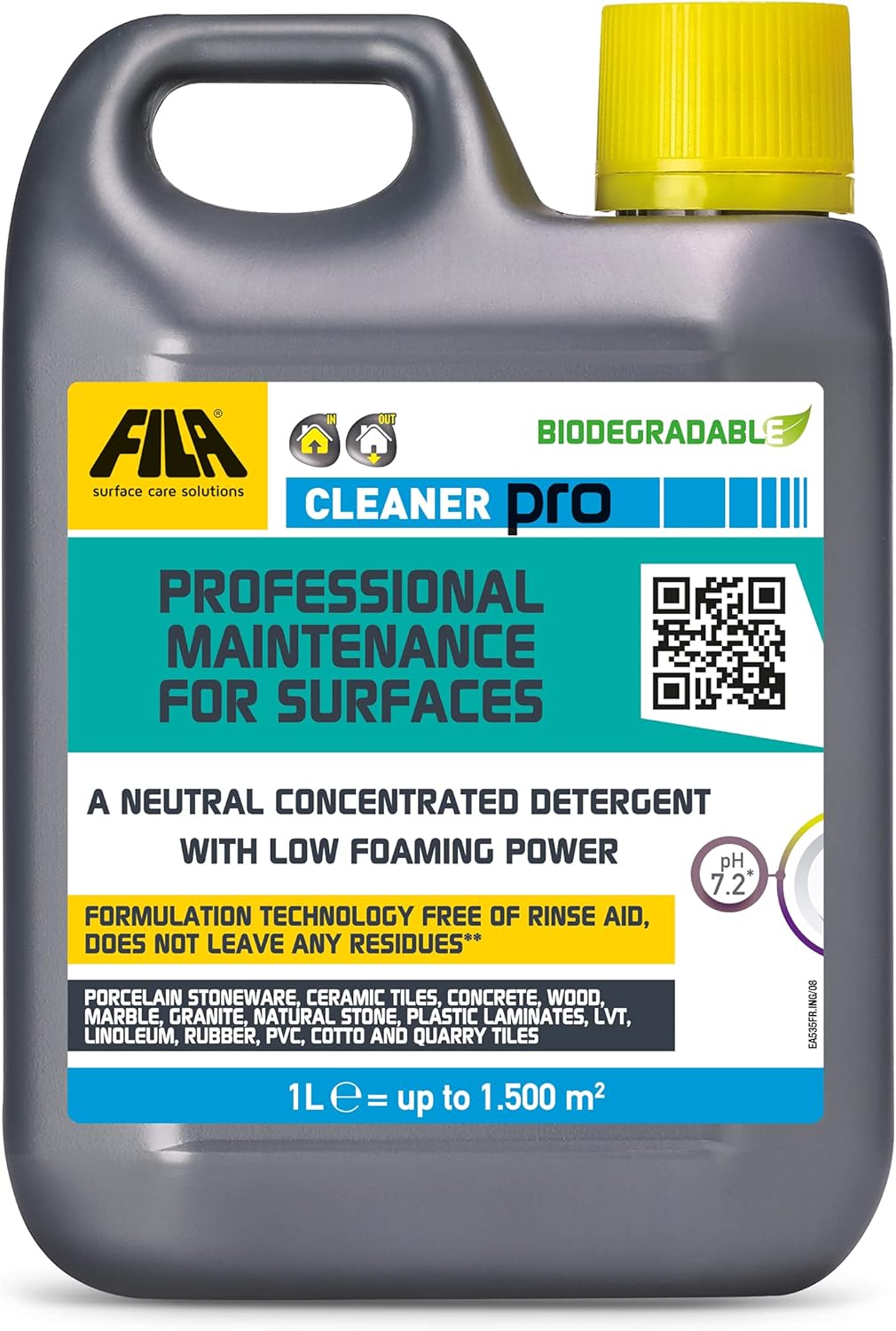
Fila Pro Floor Cleaner
|
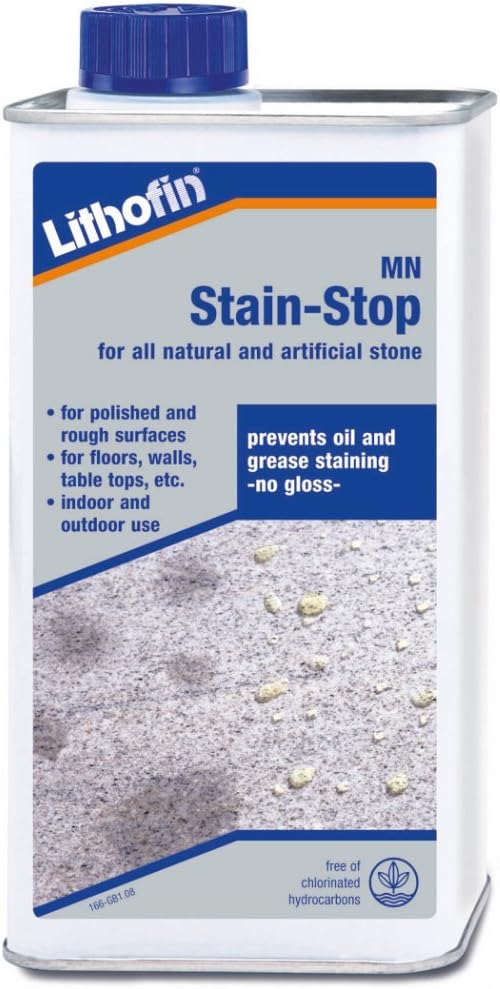
Lithofin MN Stain Stop
|
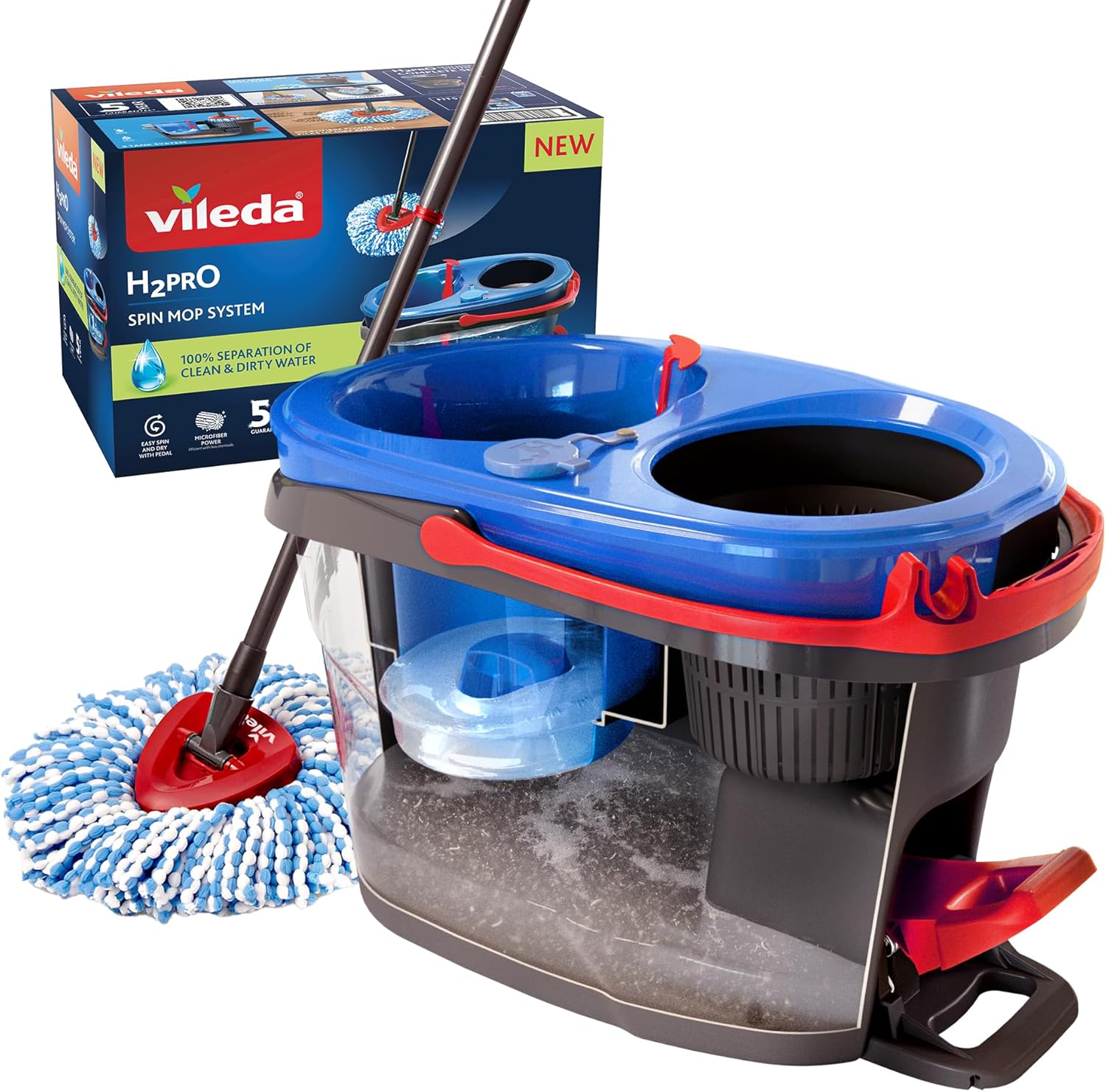
Vileda H2PrO Spin Mop System
|
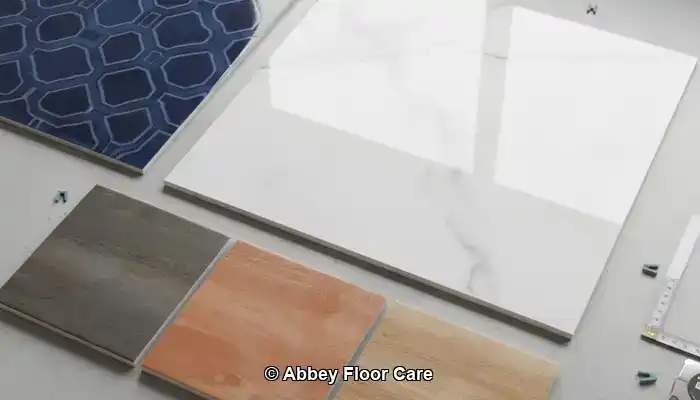
Understanding the Distinctions Between Glazed and Unglazed Porcelain Tiles
Porcelain tiles are primarily available in two finishes: glazed and unglazed. Glazed porcelain tiles feature a protective coating that is baked onto their surface, significantly enhancing stain resistance while providing a myriad of aesthetic effects. On the other hand, unglazed porcelain boasts a natural, matte finish, often preferred for its exceptional slip resistance and durability, particularly in high-traffic areas. While glazed tiles generally do not necessitate sealing, unglazed tiles, being more porous, require consistent resealing to prevent moisture absorption and staining.
Differentiating Between Ceramic and Porcelain Tiles
Although often confused, ceramic and porcelain tiles exhibit significant differences in terms of density, water absorption rates, and overall durability. Porcelain tiles are subjected to higher firing temperatures, resulting in a denser, less porous material than ceramic tiles. This property renders porcelain particularly suitable for areas prone to high moisture exposure, such as kitchens and bathrooms. Understanding these distinctions empowers homeowners to establish appropriate resealing schedules and select suitable cleaning products tailored to their specific needs.
Unpacking the Rising Popularity of Porcelain in UK Homes
Porcelain tiles have surged in popularity among homeowners across the UK due to their minimal maintenance requirements, aesthetic versatility, and compatibility with underfloor heating. Their ability to mimic the appearance of natural stone or wood, combined with remarkable durability, makes them a compelling choice for both modern and traditional interior designs. Homeowners appreciate porcelain for its enduring performance, particularly when supported by a proactive sealing and maintenance regimen.
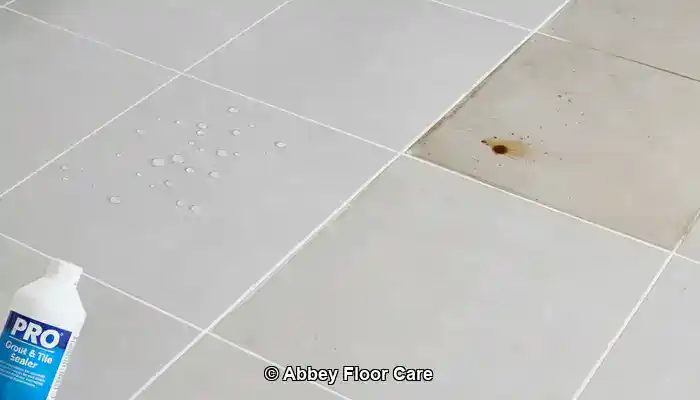 Understanding the Importance of Resealing for Long-Term Care
Examining the Maintenance Requirements for Grout and Tile Surfaces
Despite the generally low porosity of porcelain tiles—especially when glazed—the grout lines are more absorbent and susceptible to staining. While the surface of the tile effectively resists moisture, the grout in between can readily absorb spills, dirt, and cleaning agents. Resealing establishes a protective barrier that safeguards grout from discolouration and degradation, especially in high-exposure settings such as kitchens and bathrooms where moisture is rampant.
Enhancing Moisture Resistance and Stain Prevention
Regular resealing significantly bolsters moisture resistance and diminishes the likelihood of stains penetrating porous areas. In bustling zones like hallways and utility rooms, resealing plays a vital role in preserving the floor's aesthetics and averting long-term damage. Homeowners who commit to routine resealing can extend the lifespan of both the tiles and grout, particularly in areas exposed to moisture or cleaning agents.
Maintaining Visual Appeal and Slip Resistance
Over time, tiles that remain unsealed or inadequately sealed may lose their original gleam, resulting in a dull or uneven appearance. Resealing aids in preserving the surface shine and can enhance slip resistance, provided that the appropriate product is employed. This aspect becomes particularly crucial in bathrooms and entryways, where wet surfaces heighten the risk of slips. A well-preserved seal not only enhances safety but also boosts the aesthetic appeal of the flooring.
Key Factors That Affect Resealing Frequency
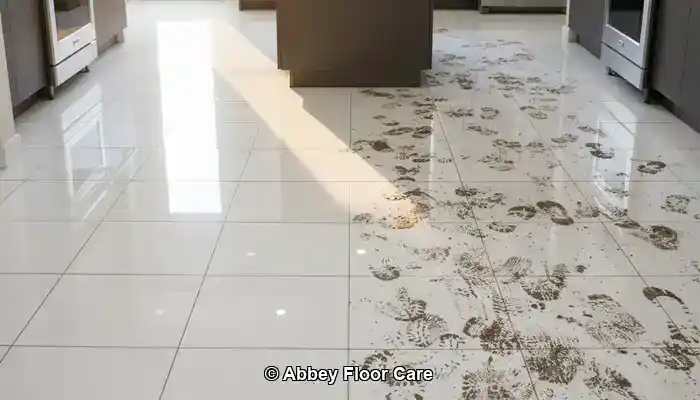
Assessing the Impact of Foot Traffic and Room Functionality
High-traffic areas, such as hallways and kitchens, typically exhibit wear more rapidly, exposing grout to increased dirt and moisture. In contrast, low-traffic spaces like guest bathrooms or spare bedrooms may not necessitate resealing as frequently. Homeowners should evaluate the specific requirements of each room instead of applying a one-size-fits-all resealing strategy throughout the entire home.
Understanding How Cleaning Products Influence Surface Durability
The use of harsh or acidic cleaners can accelerate the degradation of sealers, particularly in grout lines. Even products deemed safe for tiles can strip away protective layers if used excessively or improperly diluted. Selecting a gentle, pH-neutral cleaner helps maintain the seal and reduces the necessity for premature resealing.
Recognising the Effects of Indoor Climate and Airflow
Humidity and airflow significantly influence how quickly grout and tile surfaces dry after cleaning. Inadequate ventilation can result in prolonged moisture exposure, potentially compromising sealers over time. Homes that boast sufficient ventilation and balanced humidity levels tend to maintain sealed surfaces for extended periods, particularly in bathrooms and utility areas.
Need Help with Your Tiles? Contact Us for Expert Guidance.
How Can You Tell If Your Tiles Require Resealing?
Identifying Signs of Wear or Absorption
Visible changes in grout colour, increased staining, or a dulled tile surface may indicate that the seal has deteriorated. In frequently used areas, this degradation can unfold gradually, making it easy to overlook until dirt becomes increasingly difficult to remove or moisture lingers post-cleaning.
Performing the Water Drop Test to Assess Seal Integrity
An effective method to evaluate seal failure is the water drop test. Simply apply a few drops of water onto the tile and grout, then observe whether they bead up or soak in. If the water is absorbed quickly or leaves a dark stain, resealing is warranted. This test is particularly useful on unglazed porcelain and grout lines, which tend to have greater porosity.
Identifying Indicators of Surface Dullness and Grout Discolouration
Tiles that appear chalky or uneven in sheen may have lost their protective coating. Similarly, grout that darkens or displays patchy staining often signifies seal deterioration. These visual indicators assist homeowners in determining whether resealing is necessary, even if the floor appears clean at first glance.
Selecting the Most Suitable Sealer for Your Porcelain Flooring
Comparing Penetrating and Surface Sealers
Pentrating sealers are designed to permeate the tile and grout, creating a protective barrier while preserving the natural appearance of the surface. They are especially ideal for unglazed porcelain and grout lines, providing moisture resistance without altering aesthetics. In contrast, surface sealers form a visible layer and may enhance shine or texture, but can impact slip resistance if not chosen judiciously.
Choosing Safe Products for Tile and Grout
Not all sealers are suitable for both tile and grout. Homeowners should seek products specifically labelled as safe for porcelain and compatible with cement-based grout. Using an inappropriate sealer can lead to hazing, residue buildup, or diminished effectiveness. It is crucial to read product labels thoroughly and ensure compliance with UK safety standards to guarantee long-lasting results.
Opting for Eco-Friendly and Pet-Safe Sealing Solutions
Many contemporary sealers are water-based and contain low levels of volatile organic compounds (VOCs), making them safer for indoor use. For households with pets or children, selecting a non-toxic, eco-friendly sealer reduces exposure risks during application and drying. Such products generally require less ventilation and are easier to clean up afterward.
A Detailed Guide to Effectively Resealing Your Tiles
Preparing Surfaces for Optimal Cleaning
Before resealing, it is essential to thoroughly clean the tile and grout using a pH-neutral cleaner. Ensure the removal of all dirt, oils, and residues to facilitate optimal bonding of the sealer. Allow the flooring to dry completely, as any moisture trapped beneath the sealer can lead to hazing or uneven application.
Essential Tools and Techniques for Effective Application
Use a soft applicator pad, microfibre cloth, or brush, selecting the tool based on the product and surface type. Apply the sealer evenly across the tile and grout, working in manageable sections to avoid overlap marks. Adhere to the manufacturer's instructions for coverage rates and prevent pooling excess product in grout joints to guarantee uniform application.
Understanding Drying Times and Ventilation Needs
Most sealers necessitate a drying time of 2 to 4 hours before permitting light foot traffic, with full curing extending up to 24 hours. Open windows or employ fans to enhance airflow, particularly in enclosed spaces. Avoid wet cleaning or placing rugs on the surface until the seal has fully cured to prevent imprinting or stickiness.
Recommended Resealing Frequencies for Various Areas
Determining Resealing Needs in Kitchens, Bathrooms, and Hallways
Kitchens typically require resealing every 12 to 18 months due to frequent spills, cooking residues, and foot traffic. Bathrooms often follow a similar schedule, especially around showers and sinks where moisture is prevalent. Hallways, depending on usage, may need resealing every 18 to 24 months to protect grout and maintain surface clarity.
Customising Resealing for High-Traffic Versus Low-Traffic Areas
In low-traffic areas such as guest bathrooms or spare bedrooms, resealing every 2 to 3 years may suffice. Conversely, high-traffic spaces, including entryways, kitchens, and utility rooms, benefit from more frequent attention. Homeowners should tailor their resealing timelines based on the specific use of each area rather than adhering to a generic schedule.
Optimising Seasonal Timing for Resealing Practices
Spring and early autumn are ideal seasons for resealing floors in the UK, providing moderate temperatures and favourable ventilation conditions. It is advisable to avoid resealing during periods of high humidity or extreme cold, as these factors can adversely affect drying times and product performance. Aligning resealing with seasonal cleaning routines promotes consistency and supports overall floor health.
Avoiding Common Mistakes When Resealing
Preventing the Risks Associated with Over-Sealing
Applying excessive sealer or resealing too frequently can result in surface buildup, hazing, or sticky residues. This is particularly relevant with surface sealers that create a visible layer. Homeowners should adhere to manufacturer guidelines and refrain from resealing until the previous layer has worn away or failed.
Avoiding the Dangers of Harsh Cleaners Prior to Sealing
Acidic or bleach-based cleaners can compromise the integrity of both the tile and grout, making it increasingly difficult for the sealer to adhere properly. Always utilise a pH-neutral product before resealing to ensure the surface is safe and adequately prepared for treatment. Harsh chemicals may also leave residues that could interfere with the sealer's performance.
Ensuring Grout Lines Are Included in Resealing Processes
Grout is often the most susceptible part of a tiled floor, yet it is frequently overlooked during resealing. Neglecting grout lines can result in uneven protection and accelerated staining. Employ a small brush or targeted applicator to guarantee grout receives complete coverage, particularly in kitchens and bathrooms.
Frequently Asked Questions About Resealing Porcelain Tiles
Can I Reseal My Tiles Independently?
Yes, many homeowners opt to reseal their porcelain tiles and grout themselves using readily available products. The key is to meticulously follow the instructions, utilise tile-safe sealers, and ensure the surface is clean and dry prior to application. DIY resealing is most effective in low-traffic areas or for routine maintenance tasks.
What Is the Best Method to Test for Seal Failure?
The water drop test proves to be a reliable method. Place several drops of water on the tile and grout, then observe whether they bead or soak in. If the water is absorbed quickly or creates a dark mark, the seal is likely compromised, indicating that resealing is recommended.
Which Products Are Suitable for Households with Pets?
Search for water-based sealers with low VOC levels and labels confirming non-toxic or pet-safe certification. These products minimise exposure risks during application and drying, making them suitable for homes with pets or children. Always ensure proper ventilation and keep pets away from the floor until the seal has completely cured.
Is Resealing Required for Glazed Tiles?
Generally, glazed porcelain tiles do not require surface sealing; however, the grout in between still benefits from regular resealing. In certain scenarios, a light application of penetrating sealer may be employed to protect the grout without affecting the tile’s surface finish.
The Article How Often Should You Reseal Porcelain Tiles was originally published on https://www.abbeyfloorcare.co.uk
The Article Reseal Porcelain Tiles: How Often Is It Necessary? appeared first on https://fabritec.org
The Article Reseal Porcelain Tiles: Frequency of Maintenance Explained Was Found On https://limitsofstrategy.com