Master the Art of Using Human Virtual Assistants for Manuscript Editing
What Are the Essential Elements for Successful Implementation?
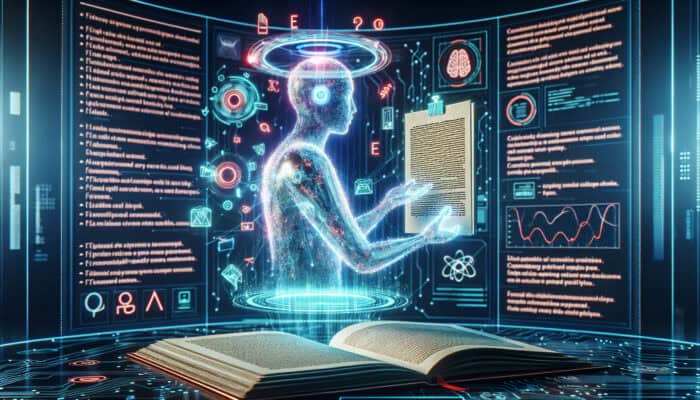
To thoroughly understand the complexities involved in effectively utilising human virtual assistants for manuscript editing, one must explore several crucial elements. The first step is to develop these virtual assistants, which necessitates the creation of a detailed training dataset. This dataset is vital as it enables the software to grasp the intricacies of language and various editing strategies. The training phase is integral, as it equips the assistants with the necessary skills to accurately pinpoint errors and propose enhancements. Moreover, the adept deployment of these tools across diverse editing contexts is essential, highlighting the importance of adhering to standardised practices to achieve maximum efficiency and precision. This methodology not only boosts user engagement but also empowers editors to rely on these tools to maintain the highest quality standards in their work.
- Curated training datasets for language acquisition
- Advanced algorithms for precise error identification
- User-friendly interfaces for enhanced accessibility
- Performance evaluation metrics for thorough assessment
These components lay the foundational framework for crafting a skilled assistant that addresses the varied requirements of editors globally. The successful integration of these elements results in a more streamlined editing process, adept at overcoming the challenges present in today’s ever-evolving publishing environment.
Understanding the Key Features and Functionalities of Editing Assistants
The primary features and functionalities of human virtual assistants in manuscript editing centre on flexibility and precision. These tools are meticulously designed to learn from a wide array of editing scenarios, making them suitable for various genres and formats. This adaptability ensures that the assistant aligns with individual user preferences, allowing the editing style to resonate with the author’s voice and intent. The emphasis on precision signifies the assistant's ability to autonomously recognise grammatical errors, stylistic inconsistencies, and structural issues. This dual focus on flexibility and precision empowers these assistants to be effectively utilised across numerous editing tasks.
Additionally, the incorporation of features such as real-time feedback mechanisms greatly enhances the editing experience. These mechanisms facilitate immediate corrections and actionable suggestions that editors can implement without delay. This creates an interactive editing environment where information flows freely, ultimately cultivating a culture of continual enhancement in manuscript quality.
How Can I Begin the Implementation Journey?
To kick-start the implementation of human virtual assistants for manuscript editing, a few straightforward yet impactful steps are necessary. First, clearly identify the specific requirements of your editing workflow; understanding what you expect from a virtual assistant will direct your selection and customisation process. Next, choose an appropriate virtual assistant that aligns with these needs, ensuring it includes the essential features that complement your editing style. Following this, customise the assistant to suit your workflow, incorporating any specific guidelines or preferences you may have.
Moreover, training the assistant on your specialised content will significantly enhance its effectiveness, permitting it to learn and adapt to your unique terminology and stylistic choices. By adhering to these initial steps, users can seamlessly incorporate these assistants into their editing workflows, progressively refining their skills and maximising the advantages offered by these innovative tools.
How Is the Publishing Process for Human Virtual Assistants Structured?

What Operational Mechanisms Are Involved?
The operational mechanisms that underpin the publishing process for human virtual assistants are intricate yet straightforward. At their core, these assistants utilise machine learning algorithms that are trained on extensive datasets covering various writing styles and grammatical rules. This comprehensive training empowers the assistant to grasp contextual nuances, enabling it to effectively identify errors and recommend edits. The interaction protocols are equally crucial; they determine how users engage with the virtual assistant, facilitating seamless communication and feedback exchanges.
When users submit their manuscripts, the assistant evaluates the content, scanning for potential issues and proposing modifications. This interaction is fluid and evolves with each editing session as the assistant learns from user feedback, continuously refining its accuracy and efficiency. The synergy between training methodologies and interaction protocols creates a robust editing tool that significantly augments the capabilities of human editors.
How Does Technology Improve the Performance of These Assistants?
Technology is instrumental in enhancing the performance of human virtual assistants throughout the editing process. Recent innovations, particularly in artificial intelligence and natural language processing, have transformed the capabilities of these assistants. Advanced algorithms allow for a deeper understanding of context, tone, and style, resulting in more precise suggestions and corrections. This technological advancement not only accelerates the editing workflow but also substantially enhances the quality of the output.
Furthermore, the emergence of cloud computing has enabled these assistants to operate more effectively, allowing users to access editing tools from virtually anywhere, thereby promoting collaboration across distances. The performance improvements driven by technological innovations ensure that virtual assistants remain vital assets in the publishing industry, capable of adapting to the changing demands of editors and publishers alike.
What Challenges May I Face During Usage?

Despite the numerous advantages, certain challenges may surface when utilising human virtual assistants for manuscript editing. A common issue is the initial adjustment period; users may struggle to adapt to new workflows or the suggestions provided by the assistant. To alleviate this transition, comprehensive training and support resources can assist users in understanding the tool's features and functionalities more effectively.
Another potential challenge relates to the assistant's accuracy, particularly when dealing with complex writing styles or specialised subjects. It is essential for users to recognise that while these assistants provide substantial support, they are not infallible. Implementing a review process that incorporates human oversight guarantees that critical errors can be rectified before the manuscript reaches its final stage. By anticipating these challenges and developing strategies to address them, users can fully optimise the advantages gained from employing virtual assistants in their editing practices.
Uncover the Benefits of Integrating Human Virtual Assistants
The advantages of incorporating human virtual assistants for manuscript editing are extensive and impactful. One of the most significant benefits is the enhancement of efficiency; these assistants can swiftly process vast amounts of text, drastically reducing turnaround times for editors. This increase in efficiency translates into cost savings, as resources can be utilised more effectively. Instead of dedicating excessive time to proofreading and basic editing tasks, human editors can concentrate on more intricate, creative elements of manuscript development.
Moreover, the quality of the final output experiences a remarkable improvement when employing these assistants. The consistency in suggested edits ensures that manuscripts uphold high language and stylistic standards, which are vital for successful publishing. Thus, the benefits of using human virtual assistants not only streamline editing workflows but also foster wider adoption and innovation across various professional settings, establishing them as indispensable tools in contemporary publishing.
Expert Recommendations for Successfully Publishing Human Virtual Assistants for Manuscript Editing
What Practical Steps Can I Take for Effective Optimisation?
To optimise human virtual assistants for manuscript editing, several essential steps should be considered. First, conduct a thorough needs analysis to determine how the assistant can best support your editing tasks. Regularly update the training materials used by the assistant, incorporating the latest developments in language trends and style guidelines. Continuous feedback is vital; consistently providing input on the assistant's suggestions can significantly refine its algorithms for improved performance.
Additionally, implementing an iterative improvement cycle, where you periodically review the assistant’s output and adjust its parameters as necessary, can lead to superior editing results. Real-world examples of best practices include scheduling regular training sessions for editors to maximise the potential of these tools, fostering a culture of learning and adaptation that enhances overall efficiency and effectiveness in manuscript editing.
What Are the Key Strategies for Successful Integration?
Successfully integrating human virtual assistants into existing workflows necessitates strategic foresight. Begin by evaluating compatibility with current software systems to ensure a seamless transition. Consider piloting the assistant with a small group of users to gather initial feedback and make necessary adjustments before a full-scale implementation. Comprehensive documentation that details the functionality and benefits of the assistant can also facilitate a smoother transition for all users involved.
Moreover, real-world examples illustrate that establishing clear communication channels between users and the assistant can significantly enhance productivity. By creating an environment where users feel comfortable providing feedback and suggestions, you can cultivate a more intuitive and efficient editing process. This collaborative approach guarantees that the assistant remains a valuable asset rather than an unwieldy addition to the workflow.
How Do Experts Measure Success Metrics?
Professionals within the field of publishing human virtual assistants typically evaluate success metrics using various criteria. Key indicators include the turnaround time for edits, the accuracy of suggested modifications, and user satisfaction ratings. Monitoring these metrics provides a comprehensive understanding of the assistant's effectiveness and highlights areas that may require further enhancement.
- Turnaround time for editing tasks
- Precision of error detection
- User satisfaction surveys and feedback
- Frequency of manual corrections needed
Maintaining a record of these success metrics not only offers insights into the assistant's performance but also supports justifying the investment in these tools. By continually monitoring and adjusting based on these key metrics, experts can ensure that the deployment of virtual assistants aligns with broader organisational objectives.
What Challenges and Solutions Exist in Assistant Deployment?
The deployment of human virtual assistants for manuscript editing can present various challenges. Technical issues, such as integrating the assistant with existing systems and ensuring compatibility across multiple devices, are frequent obstacles. To mitigate these challenges, conducting a comprehensive systems analysis before deployment is essential. This evaluation can help identify potential barriers and facilitate smoother integration methods.
Concerns regarding user acceptance also represent significant challenges; staff may resist adopting new technologies or express scepticism regarding the assistant’s capabilities. To address this, providing thorough training sessions and ongoing support can encourage greater acceptance and utilisation of the technology. Drawing from industry case studies, successful deployments often incorporate feedback loops that allow users to express concerns and share their experiences, fostering a culture of collaboration and continuous improvement.
Evidence-Based Advantages of Publishing Human Virtual Assistants for Manuscript Editing
What Proven Efficiency Gains Can Be Anticipated?
Research consistently highlights the productivity gains associated with publishing human virtual assistants. Studies indicate that organisations leveraging these tools experience faster turnaround times for editing tasks. The capability of virtual assistants to swiftly process text not only accelerates the overall editing process but also enables the completion of additional projects within tighter deadlines.
Moreover, the positive impact on workflow efficiency extends beyond mere speed; it often leads to enhanced team collaboration as editors can devote their time to more strategic tasks rather than repetitive editing. The cumulative effect of these efficiencies underscores the substantial value of virtual assistants in the publishing sector, positioning them as an essential element for those aiming to boost productivity.
How Do These Tools Affect Quality and Precision?
The integration of human virtual assistants into the editing workflow has significantly improved the quality and precision of written content. Research indicates that these tools can identify subtle errors that even seasoned human editors might overlook, ensuring that the final manuscript adheres to high-quality standards, which is critical in the competitive publishing arena.
Furthermore, the consistency provided by these assistants contributes to a uniform output across different projects. As editors increasingly rely on virtual assistants for foundational error management, they can allocate more attention to the overarching narrative and thematic elements of their manuscripts, ensuring that quality remains uncompromised. Such advancements highlight the necessity for widespread adoption of these technologies within editorial practices.
What Long-Term Value Do These Assistants Provide?
The long-term benefits of human virtual assistants extend well beyond immediate editing efficiencies. Continuous skill development is a significant advantage, as editors learn from the assistant’s recommendations and corrections, thereby enhancing their own editing capabilities over time. This ongoing learning process fosters a deeper understanding of language mechanics and stylistic choices, empowering editors to produce higher-quality work.
As technology continues to advance, these assistants will remain relevant and adaptable, capable of integrating new language trends and editorial standards into their frameworks. This sustained relevance ensures that organisations investing in such tools will continue to reap rewards, as their teams enhance skills and refine editing processes for years to come.
What Challenges Are Associated with the Publishing of Human Virtual Assistants?
Identifying Common Development Obstacles
During the development of human virtual assistants for manuscript editing, various common obstacles can arise, particularly regarding resource allocation. Crafting sophisticated training datasets necessitates substantial time and financial investment, which may pose challenges for smaller organisations with limited resources. To effectively navigate these challenges, prioritising the development process and incrementally building capabilities can prove to be effective strategies.
Moreover, ensuring sufficient testing and refinement phases is crucial to avoid introducing inadequately prepared assistants into the market. By proactively identifying and addressing these common challenges, developers can create more robust tools that better serve the needs of editors across diverse publishing environments.
What Strategies Can Help Overcome Implementation Challenges?
Implementation issues often arise when integrating human virtual assistants into existing workflows. A successful strategy to mitigate these barriers is to establish clear guidelines for training users on the assistant's capabilities. Comprehensive training sessions can instil confidence in users, facilitating a smoother transition and reducing resistance to change.
Additionally, creating a feedback mechanism for users to report issues or suggest improvements can foster a culture of collaboration and ongoing enhancement. By actively involving users in the integration process, organisations can ensure that the virtual assistant aligns seamlessly with their workflow and meets their specific editing requirements, ultimately leading to successful implementations.
How Can Users Effectively Adapt to Evolving Tools?
Adapting to evolving tools in the realm of publishing human virtual assistants necessitates a proactive and informed approach. Users should remain abreast of the latest technological advancements, engaging in continuous learning through workshops or webinars focused on the tools they utilise. This involvement aids users in understanding new features and best practices, facilitating a smoother transition as updates are released.
Moreover, fostering a flexible mindset is essential. Users who embrace change and are open to exploring new functionalities typically find it easier to adapt to evolving tools. By actively participating in the progression of these technologies, editors can ensure they remain leaders in the publishing industry, maximising the advantages of their virtual assistants.
Future Trends in the Publishing of Human Virtual Assistants for Manuscript Editing
What Advancements Can We Anticipate?
Future developments in human virtual assistants for manuscript editing are anticipated to place a strong emphasis on enhanced AI integration, leading to more sophisticated language processing and comprehension capabilities. As AI technologies continue to evolve, virtual assistants will become increasingly adept at recognising context, tone, and even emotional nuances in text, creating more personalised editing experiences.
Furthermore, the expansion of machine learning capabilities will facilitate quicker adaptation to individual user preferences, resulting in a more intuitive interface for editors. Preparing for these advancements will ensure that users can fully leverage the potential of these assistants, securing a competitive advantage in the publishing landscape.
How Will User Interaction Methods Evolve?
The methods by which users engage with human virtual assistants are poised to undergo significant advancements in the foreseeable future. Progressions in natural language processing may enable more conversational interfaces, allowing users to interact with assistants in a more intuitive manner. This shift will greatly improve the user experience, streamlining the process for editors to effectively articulate their needs.
Moreover, the integration of voice recognition technologies may allow for hands-free interactions, further simplifying the editing process. As user engagement methods evolve to become more sophisticated, editors will benefit from an increasingly fluid and efficient workflow, enhancing productivity and elevating the overall editing experience.
How Can We Establish Sustainable Practices for Long-Term Benefits?
To ensure the long-term effectiveness of human virtual assistants for manuscript editing, organisations must prioritise the establishment of sustainable practices. This involves regularly updating the training datasets used in the development of the assistants, ensuring they remain aligned with current language trends and standards. Cultivating a culture of continuous improvement and adaptation within the editing team is equally crucial; ongoing training and workshops can empower editors to fully maximise the assistants’ capabilities.
Additionally, forming partnerships with technology providers can ensure that organisations remain at the forefront of implementing the latest advancements. By focusing on sustainability, organisations can optimise the use of virtual assistants, ensuring they continue to deliver value and maintain relevance in the ever-evolving publishing industry.
Frequently Asked Questions
What Are Human Virtual Assistants for Manuscript Editing?
Human virtual assistants for manuscript editing are sophisticated AI-driven tools specifically designed to aid editors in enhancing the quality and efficiency of their manuscripts through automated error detection and insightful suggestions.
How Do I Select the Best Virtual Assistant for My Needs?
Choosing the most suitable virtual assistant involves assessing specific editing needs, evaluating the available features, and considering user feedback to ensure compatibility with your workflow.
Can These Assistants Adapt to My Unique Editing Style?
Indeed, many human virtual assistants incorporate machine learning capabilities that allow them to evolve based on user feedback and preferences, refining their suggestions over time.
What Common Challenges Can Arise When Using Virtual Assistants?
Common issues include difficulties in user adaptation, accuracy in handling nuanced editing tasks, and integration with existing systems, all of which can be addressed through targeted training and robust feedback mechanisms.
How Can I Optimise the Use of These Assistants?
Optimisation involves regular updates to training materials, incorporating user feedback, and maintaining an iterative improvement cycle to continually enhance the assistant's capabilities.
Are Human Virtual Assistants a Cost-Effective Solution?
Yes, they can be highly cost-effective as they enhance editing efficiency, enabling editors to focus on more complex tasks while minimising the time spent on basic editing duties.
What Metrics Should I Monitor to Measure Success?
Key success metrics include turnaround times, accuracy of edits, user satisfaction ratings, and the frequency of manual corrections required following the assistant's recommendations.
How Can I Ensure the Long-Term Effectiveness of These Tools?
Regularly updating training datasets, investing in user training, and fostering a culture of feedback and continuous improvement will all contribute to ensuring long-term effectiveness.
Will Technology Continue to Advance?
Absolutely, advancements in AI and machine learning are expected to persist, further enhancing the capabilities and user experience of virtual assistants for manuscript editing.
How Can I Stay Informed About New Features?
You can stay updated by participating in webinars, following industry news, and engaging with user communities that focus on the latest developments in editing technologies.
Explore more on our YouTube channel!
The Article Publishing Human Virtual Assistants for Manuscript Editing First Published On: https://vagods.co.uk
The Article Human Virtual Assistants for Effective Manuscript Editing Was Found On https://limitsofstrategy.com