Master the Skills to Create Nutrient-Dense, Balanced Meals for Children
What Constitutes a Nutritious and Balanced Meal for Kids?
Understanding how to design a balanced meal is a foundational skill for parents aiming to support their children's growth and development. A balanced meal is not merely a collection of items; it consists of multiple food groups working in harmony to deliver every essential nutrient needed for optimal health. This encompasses vital components such as proteins, carbohydrates, vitamins, and minerals, all of which contribute significantly to energy levels and overall wellness. Daily food group recommendations generally advise:
- Fruits: 1–2 servings
- Vegetables: 3–4 servings
- Grains: 4–6 servings (with a preference for whole grains)
- Proteins: 1–2 servings (including options like lean meats, beans, and nuts)
- Dairy: 2–3 servings (preferably low-fat selections)
By thoughtfully incorporating these diverse food groups, meals can be both nutritious and visually appealing to children. Acknowledging the significance of a balanced meal can empower parents to foster healthy eating habits in their children, which can persist throughout their lives.
Uncover the Essential Nutritional Components Vital for Children's Health
The significance of nutrition in supporting comprehensive development in children cannot be overstated. Essential nutrients such as vitamins and minerals, which are predominantly derived from fruits and vegetables, play a crucial role in bolstering a child's immune system and enhancing cognitive function. In addition, sufficient nutrition is key in preventing deficiencies that could impede their growth. For instance, a diet rich in vitamins, particularly those found in broccoli, can elevate omega-3 levels, while omega-3 fatty acids obtained from fish are vital for maintaining optimal brain health. A well-rounded diet guarantees that children receive a diverse range of essential nutrients, enabling them to thrive physically and mentally.
Moreover, instilling healthy eating habits should commence at home. Parents can introduce a variety of foods, ensuring that meals are not only nutritious but also colourful and visually enticing. Prioritising whole foods is crucial, as these options deliver maximum nutrients and help prevent various health issues. By making informed food choices, parents can effectively guide their children towards lifelong health.
Craft Meal Structures that Encourage Interactive and Enjoyable Dining Experiences
Creating meals that showcase a vibrant array of colours and textures can greatly enhance children's dining experiences. A thoughtful approach to portion sizes is essential, tailored to age-appropriate requirements to ensure children receive a balanced energy intake. For example, a simple meal structure might include grilled chicken, steamed broccoli, and quinoa. This combination is not only visually appealing but also nutritionally robust.
Engaging children with their meals begins with an eye-catching presentation; colourful plates can ignite interest and joy in eating. Portion control plays a pivotal role as well. For younger children, serving smaller, manageable portions helps to prevent feelings of overwhelm and encourages exploration of new foods. Introducing a variety of textures—from crunchy to creamy—can further amplify their interest, ensuring that mealtimes remain both entertaining and nutritious.
Ultimately, the structure of meals should encapsulate both nutritional balance and the joy of eating. Encourage children to interact with their plates by integrating contrasting colours, an array of flavours, and varied textures. This method transforms mealtimes into delightful experiences while ensuring they receive all essential nutrients.
Innovative Techniques to Infuse Variety into Children's Meals

Incorporating variety into meals is an effective strategy for ensuring children are exposed to a broad spectrum of flavours and nutrients. This approach encourages exploration and experimentation, ultimately fostering healthier eating habits. In Australia, the wealth of seasonal fruits and vegetables presents an excellent opportunity for a dynamic menu that evolves with the seasons. For instance, summer may highlight fresh mangoes and strawberries, while winter offers hearty root vegetables such as carrots and sweet potatoes.
Additionally, including whole grains like quinoa, brown rice, and wholemeal pasta not only supports nutritional balance but also introduces varied tastes and textures. Rotating ingredients keeps meals exciting and encourages children to sample new foods, effectively preventing monotony while meeting their dietary needs.
Furthermore, offering variety aids in circumventing nutrient deficiencies. By consistently presenting a medley of foods, parents can ensure their children consume a wide spectrum of vitamins and minerals. Regularly refreshing meal plans with innovative recipes or different takes on familiar favourites can transform mealtime into an adventure, nurturing lifelong healthy eating habits.
How Do You Select Nutritious Ingredients for Children's Meals?
Key Tips for Choosing Fresh Produce to Craft Balanced Meals
Selecting fresh produce is fundamental to preparing balanced meals for children. Opting for seasonal fruits and vegetables not only guarantees superior flavour but also fosters a preference for wholesome foods among children. For example, local farmers' markets often provide an excellent source of fresh produce, showcasing ripe and flavourful items that are more enjoyable for children.
When selecting fruits, aim for a diverse assortment of colours and types, incorporating berries for their antioxidants, apples for fibre, and citrus fruits for a healthy dose of vitamin C. Vegetables such as spinach, bell peppers, and carrots contribute a wide array of essential vitamins and minerals crucial for children's overall health.
Moreover, involving children in the selection process can be a delightful way to teach them about healthy eating. Allowing them to choose fruits and vegetables that appeal to them encourages exploration of new items at home. This hands-on approach not only builds excitement around healthy foods but also nurtures better eating habits as they learn about nutrition.
How Can You Identify Quality Protein Sources Essential for Healthy Growth?
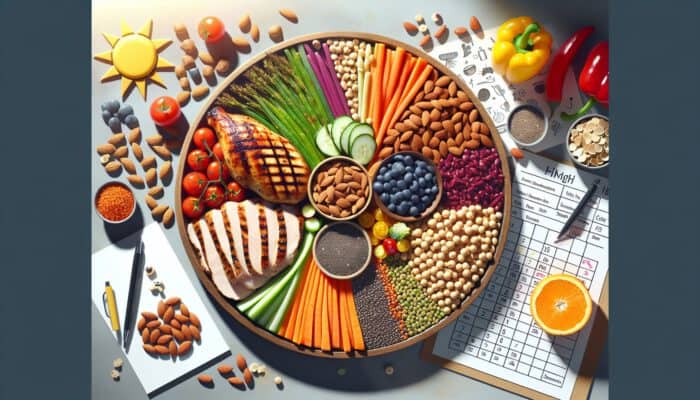
Incorporating high-quality protein sources is essential for children's growth and development. Foods such as lean meats, beans, and nuts provide the essential amino acids necessary for muscle development and overall health. For example, chicken and turkey serve as excellent protein sources that can be easily grilled or baked for quick meal solutions.
Plant-based proteins like lentils and chickpeas also represent fantastic options that offer versatility in meals while being rich in fibre. Nuts and seeds, including almonds and chia seeds, supply healthy fats along with protein, making them ideal for snacks or as additions to meals.
When preparing meals, consider blending different protein sources. For instance, a stir-fry featuring tofu, vegetables, and brown rice can create a balanced meal that is both nutritious and satisfying. Introducing a variety of protein sources keeps meals interesting and helps children understand that healthy eating can be diverse and enjoyable.
Why Are Healthy Carbohydrates Important for Children's Well-Being?
Healthy carbohydrates are crucial for sustaining energy levels throughout the day, particularly for active children. Emphasising whole grains and starchy vegetables ensures that kids receive the energy necessary for play and learning. Whole grains such as brown rice, quinoa, and wholemeal bread are rich in fibre and nutrients, promoting digestion and keeping children satisfied for longer periods.
Incorporating starchy vegetables like sweet potatoes and corn provides essential vitamins while serving as delightful side dishes. These carbohydrates are ideal for balancing meals with proteins and fats, creating a complete and satisfying plate.
It is vital to educate children about the differences between refined and whole carbohydrates. By introducing them to various whole-grain options and explaining their advantages, parents can help cultivate a preference for healthier choices. Crafting meals that combine both familiar and new grains can make the transition engaging and enjoyable.
Selecting Dairy and Calcium-Rich Foods for Robust Bone Development
Choosing dairy products and other calcium-rich foods is fundamental for children's bone health and overall development. Fresh dairy options like milk, yoghurt, and cheese provide substantial calcium, which is critical for the development of strong bones and teeth. Opting for low-fat versions of these products helps maintain a balanced diet while encouraging kids to appreciate the variety of tastes available.
For children who might be lactose intolerant or have dairy allergies, alternative sources of calcium, such as fortified plant-based milks, tofu, and leafy greens, can effectively fill the gap. Including these alternatives ensures that all children can meet their calcium needs, regardless of dietary restrictions.
Encouraging children to experiment with different dairy products can make healthy eating more enjoyable. Smoothies made with fruit and yoghurt, cheese platters paired with whole grain crackers, or baked dishes featuring cheese are excellent ways to introduce these essential nutrients into their diets.
Why Are Healthy Fats Essential for Children's Nutrition?
Incorporating healthy fats into children's diets is crucial for brain development and sustaining overall energy levels. Sources like avocados, nuts, and oily fish provide omega-3 fatty acids, which are linked to improved cognitive function and heart health. For instance, adding slices of avocado to sandwiches or salads not only enhances flavour but also improves the meal's nutritional profile.
Nuts and seeds are versatile ingredients that can be included in various dishes, ranging from granola bars to salads. They provide a satisfying crunch and are rich in essential nutrients. Additionally, oily fish like salmon or sardines can be served as a main dish or mixed into pasta salads, providing both protein and healthy fats in one meal.
It is vital for parents to educate their children about the importance of incorporating healthy fats into their diets. By highlighting the benefits and creating fun, tasty recipes featuring these ingredients, families can enjoy meals that are both delicious and nourishing without excessive calories.
Expert Methods for Preparing Wholesome Meals
Utilising Advanced Cooking Techniques to Maximise Nutritional Value
Employing advanced cooking techniques can significantly enhance the nutritional quality of meals. Methods such as steaming, baking, and sautéing help to preserve essential nutrients while enhancing flavour. For instance, steaming vegetables like broccoli and carrots retains more vitamins compared to boiling, ensuring that children benefit from the complete nutritional value.
Baking is another effective technique for preparing lean meats and fish. By using herbs and spices for flavouring instead of excessive oils or sauces, meals can be made healthy while remaining delicious. For example, a baked salmon fillet seasoned with lemon and dill offers a tasty meal packed with nutrients.
Quick cooking methods like stir-frying are ideal for busy families. Minimal cooking time preserves the crunch and nutrients in vegetables, making meals both appealing and nourishing. Children are more likely to enjoy their meals when they appear vibrant and fresh, so embracing these techniques can significantly enhance mealtime satisfaction.
Why Is Emphasising Variety So Important in Meals?
Focusing on variety is essential for keeping meals exciting and nutritionally balanced. A diverse diet exposes children to new flavours and textures, which can help alleviate food aversions and encourage experimentation. Rotating ingredients not only prevents monotony but also ensures that children receive a broad spectrum of nutrients crucial for their growth.
Introducing a mix of ingredients can be as straightforward as varying the types of fruits and vegetables served each week. This practice can include seasonal produce alongside different grains and proteins. For instance, alternating between lentils, chickpeas, and quinoa in meals can keep the dining experience fresh and engaging.
Moreover, involving children in meal planning can ignite their interest and motivate them to try new foods. By discussing various cuisines or cultural dishes, parents can inspire excitement about diverse foods, ultimately nurturing a healthier, more adventurous approach to eating.
Creative Substitution Techniques for Healthy Cooking
Utilising ingredient substitutions can be a valuable strategy for accommodating allergies while maintaining balanced meals. When adapting recipes, it is crucial to consider alternatives that preserve both flavour and nutritional integrity. For example, swapping wheat flour with almond or coconut flour can cater to gluten-free needs without sacrificing taste.
Similarly, dairy alternatives such as coconut milk or almond milk can replace regular milk in smoothies and baked goods, allowing those with lactose intolerance to enjoy the benefits of calcium. Educating children about these substitutions aids them in understanding their dietary needs while maintaining their interest in food.
When modifying recipes, parents should ensure that substitutions do not compromise nutritional value. For example, replacing sugar with naturally sweet options like mashed bananas or dates can retain a dish's flavour while reducing refined sugar intake. By exploring ingredient swaps, families can enjoy meals that cater to individual health considerations without losing balance.
Proven Strategies for Cooking Balanced Meals
Key Elements of Effective Meal Planning
Meal planning plays a pivotal role in simplifying the process of preparing balanced meals for children. By organising weekly menus, parents can streamline grocery shopping and guarantee a steady supply of nutritious ingredients. A practical strategy involves selecting a few core recipes for the week while allowing for variations in sides and snacks.
Budget-friendly shopping is a critical aspect of effective meal planning. Purchasing seasonal produce and staple items in bulk can significantly reduce costs. For example, planning meals around sales at local grocery stores or farmers' markets can lead to savings while promoting healthy eating.
To further simplify meal preparation, consider dedicating a specific day to cooking and portioning meals for the week. This approach not only saves time but also ensures that healthy options are readily available during busy weekdays. When children know what to anticipate, they are more inclined to embrace these meals, making the entire process smoother.
Techniques for Enhancing Meal Flavour without Excessive Sodium
Improving the flavour of meals without relying on excessive salt is crucial for developing children's palates. Utilising herbs and spices can elevate dishes, encouraging kids to experiment with new tastes. Fresh herbs like basil, parsley, and coriander can transform a simple dish into something vibrant and exciting.
Incorporating spices such as cumin, paprika, and turmeric introduces children to diverse flavours while offering additional health benefits. For instance, turmeric is renowned for its anti-inflammatory properties and can be seamlessly integrated into soups or rice dishes.
Encouraging children to help season their meals fosters a sense of ownership and stimulates culinary creativity. Providing a selection of herbs and spices empowers them to experiment, making meals more personalised and motivating them to try new foods.
Guidelines for Implementing Effective Portion Control
Implementing portion control is essential for promoting healthy eating habits among children. Understanding appropriate serving sizes can help prevent overeating and support healthy weight management. Establishing age-based guidelines can assist parents in navigating portion sizes effectively. For instance:
- 2–3 years: 1/2 cup grains, 1/4 cup protein, 1/4 cup vegetables
- 4–6 years: 1/2–1 cup grains, 1/2 cup protein, 1/2 cup vegetables
- 7–12 years: 1 cup grains, 1/2–1 cup protein, 1 cup vegetables
- 13 years and older: 1–2 cups grains, 1–1.5 cups protein, 1-2 cups vegetables
Educating children about portion sizes can instil mindful eating practices and encourage them to heed their hunger cues. Implementing family-style meals, where kids can serve themselves, allows for personalised portions and fosters independence.
Creating a positive mealtime environment where children feel comfortable making choices is crucial for their overall relationship with food. By focusing on portion control, families can support healthy eating habits that last a lifetime.
What Techniques Enhance Meal Appeal for Children?
Engaging Children in the Cooking Process
Involving children in the cooking process can significantly boost their enthusiasm for meals. When kids assist in preparing their food, they develop a sense of ownership and responsibility, transforming mealtime into a fun learning experience. Simple tasks such as washing vegetables, stirring mixtures, or assembling sandwiches empower them and stimulate their interest in healthy eating.
This involvement also presents opportunities to teach children about nutrition and discuss the benefits of various ingredients. Cooking together helps them appreciate the significance of balanced meals. Children are more likely to try foods they helped prepare, so integrating their preferences can lead to a more enjoyable mealtime experience.
Furthermore, cooking together nurtures cherished family moments. Establishing a weekly routine in which families cook together can strengthen bonds and instil lifelong healthy eating habits in children.
Innovative Presentation Techniques to Enhance Meal Appeal
The way food is presented can significantly influence a child's willingness to try new meals. Arranging food attractively can transform a simple dish into a visual delight. For instance, employing cookie cutters to create fun shapes from fruits or vegetables can make healthy options more enticing.
Incorporating colours and textures is essential for crafting visually vibrant plates that capture children's attention. For example, a fruit salad featuring berries, kiwi, and melon can encourage kids to enjoy healthy snacks.
Moreover, making mealtime interactive can heighten enjoyment. Creating “build-your-own” meals, such as tacos or pizzas, allows children to customise their plates, making the experience more engaging. When meals are playful and visually appealing, children are more likely to embrace nutritious foods.
How Can You Address Picky Eating Habits?
Understanding the preferences of picky eaters is crucial for gradually introducing new foods. Patience and persistence are vital; children may require multiple exposures to a new food before accepting it. Offering small portions of new foods alongside familiar favourites can encourage exploration without overwhelming them.
Creating a positive mealtime atmosphere is essential. Avoid forcing children to eat foods they dislike; instead, focus on gentle encouragement and allow them to discover flavours at their own pace. This approach nurtures a positive relationship with food and helps foster openness to trying new items.
Involving children in meal planning and preparation can also reduce pickiness. When they participate in deciding what’s served, they may be more inclined to try new foods. Celebrating small victories when they try something new can boost their confidence and willingness to explore diverse flavours.
What Are Effective Techniques for Introducing Variety in Meals?
Introducing variety in meals is crucial for preventing monotony and encouraging children to develop broader palates. Offering a wide range of foods helps ensure a well-rounded diet while keeping mealtime exciting. To facilitate an adventurous approach to eating, consider rotating ingredients and trying different cuisines from around the globe.
Incorporating themed nights, such as “Taco Tuesday” or “Pasta Night”, can inject excitement into weekly meal plans. Encouraging children to select new recipes can also engage them in the experience, allowing them to take ownership of their meals.
Ultimately, creating diverse and dynamic meals can foster a positive association with food. By encouraging curiosity and excitement around different flavours and textures, families can help children cultivate healthy eating habits that endure throughout their lives.
Understanding the Importance of Family Meals for Promoting Healthy Eating Habits
Family meals play a vital role in nurturing an environment that encourages healthy eating. Sharing mealtimes allows parents and children to connect, discuss their day, and enjoy nutritious food together. This routine fosters a sense of belonging and security, reinforcing positive eating habits from an early age.
Moreover, family meals provide opportunities for modelling healthy eating behaviours. When children observe their parents enjoying a variety of foods, they are more likely to adopt similar habits. Engaging in discussions about the nutritional value of different foods also helps children make healthier choices.
Establishing a regular family meal schedule can strengthen relationships and create lasting memories. Whether it's a weekend breakfast or a weeknight dinner, prioritising shared meals can significantly impact a child's attitude toward food and nutrition, laying the foundation for a healthy lifestyle.
How Can You Establish and Maintain a Healthy Eating Routine?
Develop Consistent Daily Eating Habits for Your Children
Establishing daily eating habits is essential for creating structure in children's diets. Consistent meal and snack times help kids anticipate and enjoy balanced options, making healthy eating a natural aspect of their routine. For example, scheduling breakfast, lunch, and dinner at the same times each day can instil a sense of predictability.
Encouraging children to recognise hunger and fullness cues reinforces mindful eating practices. Providing healthy snacks at regular intervals can help maintain energy levels while preventing overeating at mealtimes.
Involving children in discussions about their eating schedule can empower them to take ownership of their habits. By encouraging them to participate in planning meals and snacks, kids can develop a sense of responsibility for their nutrition and learn to make healthier choices.
How to Monitor Nutritional Progress Over Time for Optimal Health
Keeping track of dietary intake over time allows parents to make necessary adjustments to support growth and long-term health. Monitoring what children consume can reveal patterns, preferences, and areas that require improvement. This approach ensures that families remain adaptable in their eating habits.
Creating a simple food journal can be an engaging way for children to document their meals and snacks. This practice not only encourages accountability but also fosters awareness about their nutritional choices. Parents can review these journals with their children, discuss the significance of balanced meals, and provide constructive feedback.
Regular check-ins regarding dietary progress can strengthen the parent-child relationship. Engaging in open conversations about food preferences and challenges helps families navigate nutritional needs effectively, fostering a supportive environment that promotes healthy eating habits.
How to Adapt Meals to Fit Children's Tastes and Preferences?
Customising meals based on children’s feedback helps maintain flexibility in routines and fosters a positive relationship with food. By encouraging kids to express their preferences, parents can adjust meals to suit their tastes while ensuring nutritional balance.
Creating a “menu night” where children can share their preferences for the week’s meals can be a fun way to engage them in the process. This not only makes them feel valued but also promotes healthy choices.
Being open to feedback allows for ongoing improvement in meal planning. As children grow and their tastes evolve, adapting meals becomes a natural part of the routine. This approach cultivates a healthy relationship with food, ensuring that children remain interested in trying new things throughout their lives.
Frequently Asked Questions Regarding Balanced Meals for Children
What Are Some Examples of Well-Balanced Meals for Children?
Examples of balanced meals include grilled chicken served alongside quinoa and steamed broccoli, whole grain pasta with tomato sauce and assorted vegetables, or a taco bowl featuring lean beef, brown rice, and a variety of toppings.
How Can I Encourage My Child to Eat More Vegetables?
Encourage children to participate in meal preparation and presentation. Making vegetables appealing, such as using colourful dips or fun shapes, can enhance their attractiveness.
What Should I Do If My Child Is a Picky Eater?
If your child is a picky eater, try introducing new foods gradually alongside familiar favourites. Foster a positive eating environment and avoid pressure, allowing them to explore at their own pace.
Are There Specific Foods I Should Limit for Kids?
It is advisable to limit processed foods that are high in sugar, salt, and unhealthy fats. Instead, focus on wholesome, nutrient-dense options that encourage overall health and growth.
How Important Are Family Meals for Healthy Eating?
Family meals are essential for building connections and promoting healthy eating habits. They create opportunities for discussions and modelling positive behaviours around food.
What Are Some Healthy Snack Ideas for Kids?
Healthy snack options include fresh fruit, yoghurt, vegetable sticks paired with hummus, or whole grain crackers with cheese. These choices help maintain stable energy levels between meals.
How Can I Involve My Kids in Cooking?
Engage kids in cooking by assigning them age-appropriate tasks such as washing vegetables, stirring mixtures, or measuring ingredients. This involvement fosters interest in healthy eating.
What Are Some Quick Meal Ideas for Busy Days?
Quick meal ideas include wraps filled with lean protein and veggies, stir-fried rice using leftover ingredients, or batch-cooking meals on weekends for ready-to-eat options throughout the week.
How Can I Teach My Child About Nutrition?
Teach your child about nutrition by involving them in meal planning and discussing the health benefits of various foods. Use fun activities to reinforce their understanding.
What Is the Best Way to Introduce New Foods?
Introduce new foods gradually, pairing them with familiar favourites. Encourage positive discussions surrounding trying new items, and celebrate small victories when they take a bite.
Connect with us on Facebook!
The post How to Cook Balanced Meals for Kids: Easy Recipes for Health appeared first on https://cookinggods.com
The Article Balanced Meals for Kids: Simple and Healthy Recipes Was Found On https://limitsofstrategy.com