Comprehensive Overview of Vitamin D Deficiency in Scunthorpe
What Is the Local Prevalence of Vitamin D Deficiency?
Private Vitamin D Blood Test in Scunthorpe: Many residents of Scunthorpe experience lower vitamin D levels, especially during the winter when sunlight exposure is significantly reduced. This issue is widespread throughout the United Kingdom, highlighting the need for blood tests to detect and manage health issues related to deficiencies promptly. Numerous individuals remain unaware of their deficiency until symptoms arise, emphasising the critical need for consistent testing.
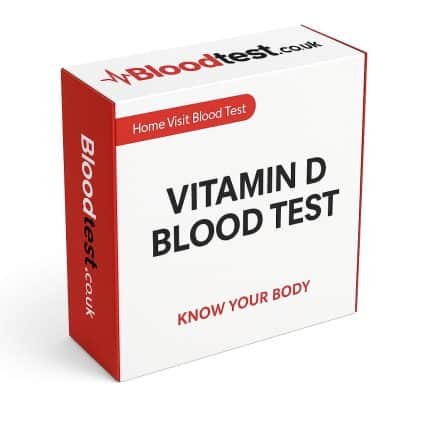

A shortage of vitamin D can lead to numerous health complications, including weakened bones and a compromised immune system. It is essential to raise awareness in Scunthorpe regarding these risks, particularly given the local climate’s effect on sunlight availability. Regular vitamin D blood tests are an effective strategy for early detection of deficiencies, allowing for timely intervention and improved health outcomes.
What Symptoms Indicate You May Be Experiencing Vitamin D Deficiency?
Individuals with vitamin D deficiency often report symptoms such as fatigue, bone pain, and muscle weakness. These symptoms can significantly hinder day-to-day activities, making it essential for residents to monitor their health diligently. Timely vitamin D blood tests, available through NHS services in Scunthorpe, can confirm levels and guide appropriate treatment options.
Recognising these symptoms early fosters prompt testing and intervention, which is crucial for maintaining overall health. If you experience ongoing fatigue or unexplained pain, it is advisable to consult your healthcare provider to assess whether a vitamin D blood test is warranted.
What Are the Main Risk Factors for Vitamin D Deficiency?
- Age: Older adults are at an increased risk of deficiency.
- Skin Tone: Those with darker skin may need more sunlight exposure to generate adequate vitamin D.
- Diet: Insufficient consumption of vitamin D-rich foods can lead to lower vitamin D levels.
- Geographic Location: Residing in areas with limited sunlight, particularly during winter, heightens vulnerability.
Certain lifestyle choices can further exacerbate vitamin D deficiency among Scunthorpe residents. For example, individuals who primarily stay indoors or wear clothing that covers most of their skin may not receive sufficient sunlight. Dietary practices also significantly impact the maintenance of optimal vitamin D levels.
Identifying these risk factors is the first step toward prevention. Regular health check-ups and blood tests can help uncover deficiencies and inform necessary dietary or lifestyle modifications.
Professional Insights on Vitamin D Blood Testing in Scunthorpe
How Is Sample Collection Performed for Accurate Vitamin D Testing?
Accurate sample collection is crucial for ensuring reliable results in vitamin D blood tests. Healthcare professionals at clinics in Scunthorpe adhere to strict protocols to minimise contamination and preserve the integrity of blood samples. Generally, a small volume of blood is drawn from a vein in the arm using sterile equipment.
Patients can expect a quick and straightforward procedure, with trained staff ensuring comfort throughout the process. Attention to detail is essential for delivering trustworthy outcomes for those undergoing vitamin D testing in Scunthorpe, in accordance with health standards in the United Kingdom.
What Are the Laboratory Standards for Blood Sample Analysis?
Laboratories in Scunthorpe uphold rigorous standards when analysing blood samples for vitamin D levels. Understanding how to interpret laboratory reports is vital for patients. Typically, results are expressed in nanomoles per litre (nmol/L), with specific thresholds indicating deficiency, sufficiency, or excess.
Patients should engage with their healthcare providers to discuss the results in detail. This collaborative approach empowers individuals to make informed health decisions based on accurate laboratory analyses and established UK standards.
What Follow-Up Care Options Are Available After Testing?
Upon receiving vitamin D test results, personalised follow-up care is critical for effectively addressing any deficiencies. Experts recommend tailored plans that may include dietary modifications, supplementation, or lifestyle adjustments. Local NHS resources in Scunthorpe can assist individuals in managing their vitamin D levels.
Consistent monitoring and follow-up consultations are essential to ensure patients maintain healthy vitamin D levels. This proactive strategy contributes to overall wellbeing and diminishes the risk of associated health complications.
How Can You Identify Symptoms of Vitamin D Deficiency?
Recognising the symptoms of vitamin D deficiency is essential for timely intervention. Common signs include fatigue, muscle weakness, and bone pain, which may often be misattributed to other health concerns. Scunthorpe residents should remain vigilant for these symptoms and consider undergoing a vitamin D blood test if they experience any of them.
Healthcare professionals can provide valuable insights into the significance of these symptoms and the necessity for testing. Early detection through blood tests enables effective management strategies, assisting individuals in maintaining optimal health.
What Insights Arise from Comparing Local and National Vitamin D Data?
Examining local vitamin D blood test results in Scunthorpe alongside national data can yield valuable insights into health trends. Specialists often investigate these disparities to enhance patient care and treatment approaches. For example, Scunthorpe may show different deficiency rates compared to other UK regions due to geographic and lifestyle factors.
This comparative analysis allows healthcare providers to recognise specific community needs and tailor interventions accordingly. Understanding local trends ensures that residents receive the most suitable care based on their unique circumstances.
What Is the Local Testing Process for Vitamin D?
How Can You Schedule Your Appointment?
Residents of Scunthorpe can easily arrange vitamin D blood tests through their GP surgeries or local walk-in centres. The process is designed to be straightforward, adhering to United Kingdom health protocols to ensure accessibility for everyone. Many clinics also provide online booking options, streamlining the appointment process.
When scheduling, it is wise to confirm any specific requirements or preparations needed before the test. This proactive approach helps guarantee a smooth experience and accurate results during testing.
What Should You Anticipate During the Test?
During a vitamin D blood test, a trained staff member will conduct a simple blood draw from a vein in your arm. The procedure is quick, typically taking only a few minutes. Patients may feel a slight pinch, but the process is generally well-tolerated.
Once the blood sample is collected, it will be sent to a laboratory for analysis. This efficient service aligns with national standards in the United Kingdom, ensuring that patients receive accurate and timely results following their vitamin D blood test in Scunthorpe.
What Are the Expected Turnaround Times for Results?
Results from vitamin D blood tests in Scunthorpe are usually available within a few days. This prompt turnaround facilitates timely consultations with healthcare providers, ensuring patients can discuss their results and any necessary follow-up actions without delay.
Patients are encouraged to follow up with their doctors to thoroughly review the results. Understanding the implications of these results is crucial for making informed health decisions and considering potential treatment options.
How Can You Prepare for Your Appointment?
What Dietary Considerations Should Be Made Prior to Testing?
Before attending your vitamin D blood test in Scunthorpe, it is advisable to avoid certain supplements that could interfere with the accuracy of your results. Healthcare providers typically recommend refraining from vitamin D supplements for a few days before testing to ensure that baseline levels can be accurately assessed.
This preparation is essential for obtaining reliable readings, enabling healthcare professionals to provide appropriate recommendations based on your actual vitamin D status. Always consult your healthcare provider for specific advice tailored to your situation.
What Essentials Should You Bring to Your Appointment?
When attending your vitamin D blood test appointment in Scunthorpe, it is essential to bring identification and relevant medical history. This information aids healthcare providers in gaining a comprehensive understanding of your health background, facilitating accurate assessments and recommendations.
Having this information readily available can streamline the appointment process, allowing for a more focused discussion on your health and any concerns you may have regarding vitamin D levels.
What Questions Should You Discuss with Your Doctor?
Maximising the benefits of your vitamin D blood test involves preparing thoughtful questions for your doctor. Inquire about lifestyle factors that may influence your vitamin D levels, such as diet, exercise, and sun exposure. Understanding these connections can empower you to make informed decisions moving forward.
Ask about the implications of your results and any recommended follow-up actions. Engaging in this dialogue empowers you to take an active role in managing your health and optimising your vitamin D levels.
How Can You Confirm Your Appointment Details?
Verifying the specifics of your vitamin D blood test appointment in Scunthorpe is crucial for ensuring a smooth process. Contact the healthcare facility in advance to confirm the exact location and time of your appointment. This step helps avoid any last-minute confusion and ensures that you arrive prepared.
Preparing also allows you to address any questions or concerns with the clinic staff, ensuring you are fully informed and ready for your visit to obtain accurate vitamin D level readings.
What Are Common Test Results and Their Interpretations?
How Can You Comprehend Normal Vitamin D Ranges?
Understanding the normal range for vitamin D levels is essential for interpreting test results. Generally, levels between 50–125 nmol/L are considered sufficient for overall health. Familiarity with these thresholds helps residents in Scunthorpe clearly understand their status and take appropriate action if necessary.
Healthcare providers can clarify the significance of your results and guide you on the next steps if your levels fall outside the normal range. This clarity is vital for making informed decisions regarding supplementation or lifestyle modifications.
What Are the Consequences of Low Vitamin D Levels?
If your vitamin D blood test results indicate a deficiency, a personalised supplementation plan may be necessary. GPs in Scunthorpe can provide recommendations based on individual health needs and lifestyle factors, in line with United Kingdom health guidelines.
Addressing low levels promptly is crucial for preventing potential health complications. Engaging in a follow-up care plan ensures effective management of your vitamin D status and enhances your overall wellbeing.
What Risks Are Associated with Elevated Vitamin D Levels?
Although rare, high vitamin D levels can also pose risks, necessitating review by specialists. If your vitamin D blood test in Scunthorpe indicates elevated levels, it is essential to consult with a healthcare provider to explore underlying causes and determine suitable next steps.
Understanding the implications of high levels is vital for maintaining balanced health. Close monitoring and professional guidance can help ensure that any potential issues are addressed promptly and effectively.
What Evidence-Based Benefits Exist for Vitamin D Blood Testing in Scunthorpe?
How Can Regular Testing Strengthen Bone Health?
Consistent vitamin D testing is crucial for promoting stronger bones, particularly for adults in Scunthorpe. Early identification of deficiencies through vitamin D blood tests enables individuals to implement necessary changes, such as dietary adjustments or supplementation, to enhance bone health.
Research shows that adequate vitamin D levels are vital for calcium absorption, which directly affects bone density and strength. Maintaining optimal vitamin D levels can significantly reduce the risk of fractures and osteoporosis among residents.
How Does Sufficient Vitamin D Bolster Immune Function?
Vitamin D plays a crucial role in enhancing immune function, and testing can help strengthen immunity among residents in the United Kingdom. Studies indicate that adequate vitamin D levels are associated with a reduced risk of infections and autoimmune disorders.
By utilising vitamin D blood tests in Scunthorpe, individuals can ensure they maintain sufficient levels to support their immune health. This proactive approach can lead to improved overall health outcomes and a lower incidence of illness.
What Is the Link Between Vitamin D and Mental Wellbeing?
Research suggests that vitamin D may affect mood regulation and mental health. Timely vitamin D blood tests can assist local communities in Scunthorpe in identifying deficiencies that may contribute to mood disorders such as depression.
Addressing vitamin D levels through supplementation or lifestyle changes can positively influence mental wellbeing. Engaging in regular testing enables residents to take proactive steps toward maintaining both physical and mental health.
How Can Adequate Vitamin D Enhance Cardiovascular Health?
Research from the United Kingdom indicates that sufficient vitamin D levels can improve heart health. By identifying deficiencies early through vitamin D blood tests in Scunthorpe, residents can take timely measures to mitigate potential cardiovascular issues.
Maintaining optimal vitamin D levels is linked to lower risks of heart disease and hypertension. Regular testing empowers individuals to make informed health choices that contribute to long-term cardiovascular wellbeing.
How Does Monitoring Vitamin D Levels Reduce Chronic Disease Risks?
Evidence suggests that monitoring vitamin D levels can help prevent chronic illnesses among populations in Scunthorpe. Regular vitamin D blood tests facilitate early treatment, improving long-term wellbeing and alleviating healthcare burdens.
By proactively addressing deficiencies, residents can significantly lower their risk of developing chronic conditions such as diabetes and certain cancers. This preventive strategy is essential for fostering healthier communities throughout the United Kingdom.
What Lifestyle Adjustments Should Be Made Following Testing?
How Can You Safely Increase Sun Exposure?
Engaging in safe outdoor activities during suitable months can help Scunthorpe residents naturally enhance their vitamin D levels after testing. United Kingdom guidelines recommend spending time outdoors, especially on sunny days, to facilitate vitamin D synthesis through skin exposure.
Incorporating regular outdoor activities into your routine can improve your vitamin D status and overall health. It is important to balance sun exposure with skin protection to prevent sunburn and long-term skin damage.
What Dietary Changes Can Boost Vitamin D Levels?
After receiving your vitamin D blood test results, consider incorporating foods high in this essential nutrient into your diet. Fatty fish, fortified dairy products, and egg yolks are excellent sources of vitamin D that can aid in improving levels.
Consulting with local health experts in Scunthorpe can provide tailored dietary recommendations based on your test results. Making these adjustments can significantly aid in maintaining optimal vitamin D levels and overall health.
How Can Exercise Regimens Enhance Your Health?
Gentle physical activity can complement the outcomes from your vitamin D blood test in Scunthorpe. Regular exercise not only supports overall health but also improves the body’s ability to utilise vitamin D effectively.
Engaging in activities such as walking, yoga, or swimming can promote better health outcomes. Incorporating exercise into your routine can help maintain a healthy weight and support bone health, especially when combined with adequate vitamin D levels.
What Affordable Local Testing Options Are Accessible?
How Can You Access NHS Vitamin D Testing?
In Scunthorpe, free or low-cost vitamin D blood tests are provided through public health services under United Kingdom provisions. Residents can access these services via their GP surgeries or local health clinics, ensuring testing is available to everyone.
Utilising NHS resources is a practical way to monitor vitamin D levels without incurring significant expenses. This accessibility supports community health and encourages routine testing among residents.
What Should You Consider When Comparing Private Clinic Costs?
For those exploring alternative options, comparing costs for vitamin D blood tests at independent providers in Scunthorpe can be beneficial. While private clinics may charge different rates, ensuring that quality standards align with those of NHS facilities is essential.
Researching local private clinics can assist individuals in finding affordable testing options while ensuring reliable, accurate results. Always verify credentials and patient reviews to guarantee quality care.
What Community Health Initiatives Provide Testing?
Local initiatives in Scunthorpe offer access to vitamin D blood tests for eligible residents. These community health programmes aim to enhance public health by facilitating regular monitoring and education on vitamin D deficiency.
Participating in these programmes can help residents stay informed about their health and access necessary testing. Community support plays a vital role in promoting overall wellbeing and reducing the prevalence of vitamin D deficiency.
What Are Common Inquiries Regarding Vitamin D Testing?
What Is the Purpose of a Vitamin D Blood Test?
A vitamin D blood test measures the level of vitamin D in your blood, helping to determine whether you have a deficiency or excess. It is crucial for assessing overall health, especially concerning bone and immune function.
How Often Should You Undergo Vitamin D Testing?
It is generally recommended to test vitamin D levels annually, particularly if you have risk factors such as age or limited sun exposure. Consult your healthcare provider for personalised advice.
What Symptoms Might Suggest a Vitamin D Deficiency?
Common symptoms include fatigue, bone pain, muscle weakness, and mood fluctuations. If you experience these signs, consider discussing a vitamin D blood test with your healthcare provider.
Can Dietary Sources Alone Provide Sufficient Vitamin D?
While certain foods like fatty fish and fortified products can contribute to vitamin D intake, many individuals may still require sunlight exposure or supplements to meet their needs, especially during winter.
What Is the Typical Turnaround Time for Test Results?
Vitamin D blood test results are usually available within a few days. This prompt turnaround enables timely consultations with healthcare providers regarding your health status.
What Actions Should You Take If Your Levels Are Low?
If your vitamin D levels are low, your healthcare provider may recommend dietary changes, supplements, or increased sun exposure. Follow their guidance to effectively improve your vitamin D status.
Are There Risks Associated with Elevated Vitamin D Levels?
Yes, high vitamin D levels can lead to hypercalcemia, resulting in symptoms such as nausea and weakness. If your test indicates elevated levels, consult with a healthcare provider for further evaluation.
Does the NHS Cover Vitamin D Testing?
Yes, vitamin D blood tests are often covered by the NHS, particularly for individuals at risk of deficiency. Check with your GP for specific eligibility and access to testing services.
Can You Take Vitamin D Supplements Without Prior Testing?
While some individuals may choose to take vitamin D supplements, it is advisable to undergo testing first. This ensures you are taking the appropriate dosage based on your specific needs.
What Lifestyle Changes Can Help Enhance Your Vitamin D Levels?
Incorporating safe sun exposure, consuming vitamin D-rich foods, and engaging in regular exercise can positively influence your vitamin D levels. Consult with healthcare professionals for tailored advice.
Visit Our Facebook Profile for Further Information!
This Article Was First Published On https://bloodtest.co.uk
The Article Vitamin D Blood Test: Your Local NHS Guide in Scunthorpe was first found on https://electroquench.com