Thorough Examination of Pregnancy Blood Tests in the UK
What Is the Purpose of a Pregnancy Blood Test?
Private Pregnancy Blood Test in Reading: A pregnancy blood test in the UK functions as a vital medical assessment that quantifies the levels of human chorionic gonadotropin (hCG), a hormone critical for confirming pregnancy. Conducted in local clinics or hospitals, this test is known for its high accuracy in detecting pregnancy at the earliest stages. Unlike traditional urine tests, a pregnancy blood test can confirm pregnancy as soon as 7-10 days following conception, making it an invaluable resource for those eager to commence their antenatal care promptly. This early identification is essential for initiating necessary medical interventions and ensuring optimal health outcomes.
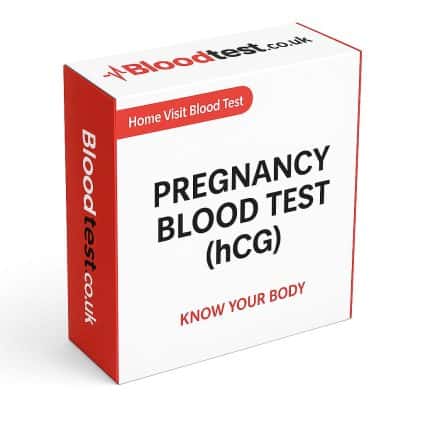

This early detection allows for timely health interventions, safeguarding the well-being of both the expectant individual and the developing fetus. Consequently, it underscores the importance of incorporating such tests into standard medical practice for enhanced maternal and fetal health.
What Types of Pregnancy Blood Tests Are Available?
In the United Kingdom, there are primarily two categories of pregnancy blood tests: qualitative and quantitative tests. A qualitative blood test is focused on identifying the presence of hCG, thus confirming whether an individual is pregnant and is often employed for initial screening purposes. In contrast, a quantitative blood test measures the exact levels of hCG in the bloodstream, providing more detailed information. This detailed insight becomes particularly valuable in situations where there are concerns about the health of the pregnancy, such as in cases of ectopic pregnancy or potential miscarriage. Both types of tests play a crucial role in the healthcare system, ensuring comprehensive and personalised care for expectant individuals, which is vital for ongoing health monitoring and future antenatal appointments.
Why Is Early Pregnancy Detection Important?
The importance of early pregnancy detection through blood testing in the United Kingdom cannot be overstated, as it offers numerous benefits. Firstly, it allows for timely medical interventions that can significantly improve outcomes for both the mother and the developing baby. Identifying a pregnancy early enables healthcare professionals to create personalised care plans, which may include dietary recommendations, prenatal vitamins, and lifestyle adjustments, all aimed at fostering a healthy pregnancy. Furthermore, early detection empowers individuals with essential information to make informed choices regarding their pregnancy, including options for prenatal care and potential screenings for genetic disorders or other health issues. This proactive approach to health management serves as a cornerstone of effective antenatal care, ensuring the best possible outcomes.
Professional Perspectives on Pregnancy Blood Tests in Reading
What Does the Process of Obtaining a Pregnancy Blood Test Involve?
In Reading and throughout the United Kingdom, the procedures for obtaining a pregnancy blood test are straightforward yet critical for securing accurate results. Individuals must first schedule an appointment at a local clinic or hospital, where healthcare professionals will explain the process and answer any questions. On the day of the test, fasting for a few hours may be required before the blood draw, depending on the clinic's protocols. During the procedure, a small blood sample is collected from a vein in the arm, which typically causes only minimal discomfort. Following collection, the blood sample is sent to a laboratory for analysis, with results generally available within a few days. After the test, healthcare providers will comprehensively discuss the findings and outline any necessary next steps, ensuring that patients feel supported and well-informed throughout the process.
How Are Results from Pregnancy Blood Tests Interpreted?
The interpretation of results from a pregnancy blood test requires careful analysis and expertise, as the implications can significantly affect pregnancy management strategies. In the UK, specialists highlight that a positive result indicates the presence of hCG, confirming the pregnancy. However, it is equally important to evaluate the levels of hCG detected. For example, low levels may suggest an early-stage pregnancy, while exceptionally high levels could signal multiples or potential complications. Healthcare providers typically correlate hCG levels with other clinical factors, such as ultrasound results or the individual’s medical history, to provide a thorough assessment of pregnancy health. This detailed evaluation is crucial for guiding subsequent care and effectively addressing any emerging concerns.
What Risks and Considerations Should Patients Be Aware Of?
While pregnancy blood tests in the United Kingdom are generally considered safe, there are minimal risks associated with the procedure. The most common side effects include slight bruising or discomfort at the site of the blood withdrawal. Healthcare professionals in Reading advise individuals with a history of severe reactions to blood draws to inform their provider beforehand. Real-life accounts from local healthcare settings indicate that while these tests are routine, patients should be fully aware of the process and its potential implications. Understanding these risks empowers individuals to make informed decisions about their healthcare, fostering active engagement in their antenatal journey.
How Does the Pregnancy Blood Test Process Work?
What Are the Detailed Steps in the Blood Testing Process?
The procedure for undergoing a pregnancy blood test in the United Kingdom begins with an appointment at a healthcare facility. Upon arrival, individuals typically engage in a brief consultation, during which healthcare professionals review their medical history and any symptoms they may be experiencing. Following this, a healthcare provider will collect a blood sample through a straightforward venipuncture, usually from the inner arm. Once the sample is obtained, it is sent to a laboratory where technicians analyse the blood for hCG levels. The results are communicated to the individual, typically within a few days. This clear-cut yet crucial procedure ensures accurate results that inform the next steps in the individual’s pregnancy journey, whether that involves additional testing, early scans, or lifestyle recommendations.
What Advantages Does a Blood Test Offer Compared to Other Testing Methods?
Opting for a pregnancy blood test over alternative testing methods, such as urine tests, presents several advantages, particularly in terms of accuracy and timing. Blood tests can confirm pregnancy even before a missed period, making them the preferred choice for individuals seeking early confirmation. Furthermore, blood tests are less likely to yield false negatives than urine tests, which can be affected by factors such as hydration levels and the timing of the test. In the realm of proactive health monitoring, this method provides essential insights into hCG levels that can inform care decisions and enhance overall prenatal management. Consequently, many healthcare providers advocate for blood tests as a reliable option for confirming pregnancy.
What Should You Expect During the Testing Experience?
Individuals in the United Kingdom generally find that the experience of undergoing a pregnancy blood test is quick and relatively painless. Most patients encounter only minor discomfort during the blood draw, which feels similar to a brief pinch. Clinics in Reading are well-equipped to ensure that the process is as smooth as possible, often employing trained phlebotomists skilled in minimising anxiety and discomfort. Many facilities also strive to create calming environments, contributing to a more relaxed experience for those undergoing testing. By demystifying the process and offering support, healthcare providers aim to instil confidence in individuals, ensuring they feel secure in their choices and informed throughout their pregnancy journey.
How Reliable Is the Pregnancy Blood Test?
Pregnancy blood tests in the United Kingdom demonstrate a remarkable accuracy rate, capable of detecting hCG levels as early as 7-10 days after conception. This high level of precision is crucial for timely confirmation of pregnancy, enabling healthcare professionals to initiate necessary medical interventions promptly. The sensitivity of these tests significantly reduces the risk of false positives or false negatives, making them a trustworthy choice for early pregnancy testing. Furthermore, advanced laboratory techniques and stringent quality control measures further enhance the accuracy of results, fostering trust among patients and healthcare providers alike. This accuracy supports personalised care plans, ultimately leading to healthier outcomes for both mothers and babies.
What Should You Do After Receiving a Positive Result?
In the United Kingdom, a positive result from a pregnancy blood test typically prompts individuals to consult their GP or midwife for further assessment. Once pregnancy is confirmed, healthcare providers may recommend additional tests, such as ultrasounds, to monitor the embryo’s development and ensure the pregnancy is progressing as expected. This initial follow-up is crucial for establishing a comprehensive care plan that includes antenatal appointments, nutritional guidance, and lifestyle advice tailored to the individual’s needs. By providing ongoing support, healthcare providers play a vital role in promoting healthy outcomes for both the expectant mother and her baby, ensuring they are well prepared for the journey ahead.
What Are the Key Benefits of Pregnancy Blood Tests?
How Reliable Are These Tests in Confirming Pregnancy?
The reliability of pregnancy blood tests in the United Kingdom stands out as one of its most significant advantages. Research indicates that these tests can consistently detect pregnancy-related hormones, with studies showing over 99% accuracy when conducted properly. This level of reliability is essential for initiating early interventions, which are crucial for improving maternal and fetal health outcomes. The following bullet points illustrate the accuracy statistics derived from various UK studies:
- Over 99% accuracy in detecting pregnancy with qualitative tests.
- Quantitative tests can measure hCG levels with a sensitivity of 1-2 mIU/ml.
- 95% of pregnancies are detected within the first week after a missed period.
- High correlation with ultrasound findings in identifying ectopic pregnancies.
These statistics underscore the importance of healthcare providers utilising blood tests as a primary method for confirming early pregnancy, ensuring individuals receive timely and appropriate care.
What Health Advantages Do These Tests Provide?
In the United Kingdom, pregnancy blood tests not only serve to confirm pregnancy but also provide valuable insights into an individual’s overall health. By detecting hormone levels, these tests can identify potential complications early on, such as hormonal imbalances or risk factors for gestational diabetes. Early identification of such issues enables healthcare professionals to implement effective risk management strategies, thus enhancing the likelihood of a healthy pregnancy. Moreover, blood tests may facilitate early screenings for conditions like Rh incompatibility or genetic disorders, ensuring comprehensive prenatal care that addresses each patient’s unique needs. Consequently, early testing lays the groundwork for proactive health management throughout pregnancy.
What Long-Term Benefits Can Be Expected from Regular Testing?
Regular pregnancy blood tests in the United Kingdom can significantly influence long-term maternal and fetal health outcomes. By consistently monitoring hormone levels and other health indicators, these tests contribute to ongoing care plans that may include lifestyle recommendations, dietary adjustments, and necessary follow-up appointments. Over time, this proactive approach can help mitigate risks associated with pregnancy, such as preterm birth or low birth weight, leading to healthier outcomes for both mothers and babies. Additionally, establishing a routine of testing allows healthcare providers to maintain a clearer understanding of each individual’s health trajectory, ensuring informed decisions throughout the pregnancy journey.
What Are the Comprehensive Benefits of Pregnancy Blood Tests?
How Does Testing Provide Emotional Support During Pregnancy?
In the United Kingdom, undergoing a pregnancy blood test can offer substantial emotional support during what can often be a stressful period. The confirmation of pregnancy typically alleviates the anxiety associated with uncertainty, allowing individuals to concentrate on preparing for the journey ahead. Early knowledge of results helps individuals manage their emotions and expectations, fostering a sense of control over their circumstances. Furthermore, the professional guidance provided by healthcare practitioners during this process can further enhance emotional well-being, as individuals gain insights into their options and the next steps to take. This emotional support is pivotal in promoting a positive mindset throughout the early stages of pregnancy.
What Follow-Up Services Are Accessible After Testing?
Testing in the United Kingdom not only confirms pregnancy but also connects individuals to vital follow-up services that enhance their overall care experience. Upon receiving results from a pregnancy blood test, individuals typically gain access to consultations with healthcare professionals who can offer tailored advice and support. This ongoing relationship ensures that any concerns are promptly addressed and that individuals receive the necessary resources to navigate their pregnancy journey. Whether through nutritional guidance, prenatal classes, or referrals to specialists, the services available after testing are integral for fostering a comprehensive care network that supports the health and well-being of both the mother and baby.
What Factors Influence the Cost and Availability of Tests?
In the United Kingdom, pregnancy blood tests are widely accessible through public health services, making them an affordable and practical option for most individuals. Many clinics and hospitals offer these tests as part of routine care, often at no charge under the National Health Service (NHS). This accessibility is crucial, enabling individuals to confirm pregnancies without the financial burdens typically associated with private testing. The extensive availability of blood tests ensures that individuals can obtain confirmation and support without delay, which is essential for initiating suitable antenatal care and monitoring throughout pregnancy.
How Do These Tests Aid in Early Detection of Complications?
One of the most compelling advantages of pregnancy blood tests is their ability to facilitate early detection of potential health complications. In the United Kingdom, these tests can identify issues such as genetic disorders, infections, or hormonal imbalances that could impact the pregnancy’s outcome. Early identification permits prompt medical interventions, which can significantly alter the course of care. For instance, if a blood test reveals a risk for certain genetic conditions, healthcare providers can recommend further testing and counselling for the expectant individual. This proactive approach not only helps prevent complications but also ensures that both maternal and fetal well-being are prioritised throughout the pregnancy.
Research-Backed Advantages of Pregnancy Blood Tests in Reading
What Evidence Supports the Effectiveness of Blood Tests?
Research conducted in the United Kingdom consistently highlights the efficacy of pregnancy blood tests for early and accurate detection of pregnancy. Local trials, particularly in Reading, have demonstrated that these tests significantly reduce the time from conception to confirmation, allowing healthcare providers to offer timely interventions. Studies indicate that women who receive early blood tests experience lower complication rates compared to those who rely solely on urine tests for confirmation. This evidence underlines the role of blood tests in enhancing prenatal care and ensuring that pregnant individuals receive the best possible support throughout their journeys.
What Best Practices Are Recommended by Experts?
Professionals in the United Kingdom advocate for specific best practices regarding pregnancy blood tests to optimise both safety and result quality during testing. Preparation techniques may include fasting prior to the test, as certain hormonal levels can be influenced by food intake. Additionally, clinicians recommend scheduling appointments early in the morning for more accurate hCG level assessments. Patients are encouraged to communicate any concerns or prior medical conditions that could affect their test results. By adhering to these expert recommendations, individuals can maximise the effectiveness of their blood tests and engage more fully in their healthcare.
How Are Blood Tests Integrated Within Healthcare Systems?
Within the United Kingdom’s healthcare system, pregnancy blood tests play a pivotal role in integrating various aspects of prenatal care. These tests are not standalone procedures; they form part of a comprehensive prenatal strategy that includes regular check-ups, lifestyle advice, and additional screenings as necessary. Experts advocate for a multidisciplinary approach in which blood test results inform the creation of personalised care plans tailored to each patient’s unique circumstances. This integration ensures that all healthcare providers involved in the pregnancy journey are aligned, enhancing the overall quality of care and supporting positive health outcomes for both mother and baby.
When Should You Consider a Pregnancy Blood Test?
What Symptoms Indicate You May Need a Test?
In the United Kingdom, several signs may indicate the requirement for a pregnancy blood test. Common indicators include missed periods, persistent nausea, fatigue, and breast tenderness. These symptoms often prompt individuals to seek confirmation and clarity regarding their situation. Taking early action is essential, as prompt testing ensures an accurate diagnosis and appropriate medical response. Recognising these signs empowers individuals to make informed decisions about their reproductive health. Here are some common indicators for timely testing:
- Missed menstrual period.
- Persistent nausea or vomiting.
- Increased fatigue or lethargy.
- Breast tenderness or changes.
- Frequent urination.
- Changes in appetite.
Being attuned to these signs enables individuals to approach healthcare providers confidently, facilitating early intervention and support.
What Is the Optimal Timing for Testing to Ensure Reliable Results?
The best time to undergo a pregnancy blood test in the United Kingdom is shortly after a missed period. This timeframe permits reliable results that can significantly aid in effective pregnancy planning. Testing too early may lead to false negatives, as the body might not have produced sufficient hCG levels for detection. By waiting at least one week after the expected date of menstruation, individuals can ensure they receive the most accurate outcomes, facilitating timely healthcare decisions. Moreover, aligning testing with this timeframe helps healthcare providers make informed recommendations regarding further care and monitoring.
What Alternatives Are Available If You’re Not Ready for a Blood Test?
If the timing of a blood test isn’t ideal, there are alternative options in the United Kingdom for accurately confirming pregnancy. For example, urine tests are a common alternative and can be performed at home using readily available kits. However, it’s important to note that urine tests may not be as sensitive, potentially leading to false negatives, especially in early pregnancy. Another option is consulting a healthcare provider for advice on monitoring symptoms or waiting a few days to retest. Exploring these alternatives allows individuals to remain informed and proactive, ensuring they can seek confirmation when they are ready.
How to Prepare for Your Pregnancy Blood Test
What Pre-Test Instructions Should You Follow?
In the United Kingdom, preparation for a pregnancy blood test involves adhering to specific instructions that can significantly enhance the procedure’s effectiveness. For some tests, healthcare professionals may recommend fasting for a few hours before the blood draw to help ensure more accurate results. Additionally, individuals should be ready to provide information regarding their medical history and any current medications, as these factors can influence hormone levels. By understanding these pre-test requirements, individuals can approach their appointments with confidence, knowing they are proactively optimising their testing experience.
What Should You Expect Upon Arriving at the Clinic?
Clinics in the United Kingdom are designed to provide a straightforward and supportive experience for those undergoing a pregnancy blood test. Upon arrival, patients typically check in and wait briefly before being called for their appointment. Healthcare staff will guide individuals through the process, explaining each step to diminish any anxiety or uncertainty. The blood draw itself is quick, often taking only a few minutes, and staff are trained to ensure the experience is as comfortable as possible. After the test, individuals can expect to discuss their results with a healthcare provider, who will guide them on the next steps, ensuring they feel informed and supported throughout the process.
What Post-Test Care Recommendations Should You Keep in Mind?
After undergoing a pregnancy blood test in the United Kingdom, individuals should monitor the site of the blood draw for any reactions. Although complications are rare, slight bruising or discomfort is common and should resolve quickly. It is advisable to follow up with healthcare providers to discuss results and any necessary next steps. This post-test care is essential for comprehensive support, as healthcare professionals can provide tailored advice and connect individuals with additional resources to help them navigate their pregnancy journey. Remaining engaged with healthcare providers ensures ongoing support and optimal care throughout the pregnancy.
After the Test: What Are the Next Steps?
How to Properly Interpret Your Results?
In the United Kingdom, the interpretation of results from a pregnancy blood test is typically conducted by healthcare professionals, who explain what positive or negative outcomes signify for the individual’s pregnancy journey. A positive result generally indicates that hCG is present, confirming pregnancy. However, the specific hCG levels can provide further insights into the stage of pregnancy or any potential complications. Healthcare providers usually correlate the results with other clinical information to offer a comprehensive overview. This thorough interpretation is essential for guiding individuals on their next steps, whether that involves additional testing, referrals to specialists, or simply scheduling regular check-ups.
What Actions Should You Take When Seeking Further Guidance?
Follow-up consultations in the United Kingdom are crucial for clarifying results from a pregnancy blood test. Healthcare providers often schedule these appointments to discuss findings in detail, ensuring individuals understand what the results mean for their health and pregnancy. During these consultations, patients can inquire, seek clarification on any concerns, and explore the next steps in their care plan. Furthermore, these follow-ups connect individuals to additional resources and support services, fostering a collaborative approach to managing their pregnancy and helping to ease any anxieties that may arise.
How Should You Strategically Plan Based on Your Results?
Based on the results of a pregnancy blood test in the United Kingdom, planning next steps is critical to ensure continued health monitoring throughout pregnancy. This may include scheduling regular appointments for ultrasounds, blood tests, and consultations with healthcare providers. Individuals are encouraged to remain engaged in their healthcare journey, advocating for their needs and exploring educational resources available through clinics and community services. By proactively planning, individuals can ensure they receive comprehensive support and care, laying a strong foundation for a healthy pregnancy.
Frequently Asked Questions
What is a pregnancy blood test?
A pregnancy blood test measures levels of the hormone hCG in the blood to confirm whether a person is pregnant. It is more sensitive than urine tests and can detect pregnancy earlier.
How early can a pregnancy blood test detect pregnancy?
A pregnancy blood test can typically detect pregnancy as early as 7-10 days after conception, making it a reliable option for early confirmation.
Are there different types of pregnancy blood tests?
Yes, there are two main types: qualitative tests, which confirm if you are pregnant, and quantitative tests, which measure the exact hCG levels in the blood.
What should I do if my pregnancy blood test is positive?
If you receive a positive result, it is advisable to consult your GP or midwife for further assessments and to discuss your antenatal care options.
Are there any risks associated with pregnancy blood tests?
While generally safe, the main risks include minor discomfort at the blood draw site and slight bruising. Serious complications are rare.
How long does it take to get results from a pregnancy blood test?
Results from a pregnancy blood test are usually available within a few days, depending on the laboratory and clinic’s processes.
What signs indicate I should get a pregnancy blood test?
Common signs include missed periods, nausea, fatigue, and breast tenderness. If you experience these symptoms, consider scheduling a test for confirmation.
Is a pregnancy blood test more accurate than a urine test?
Yes, pregnancy blood tests are generally more accurate than urine tests, particularly in early pregnancy when hCG levels might be low.
What happens if the blood test result is negative, but I still feel pregnant?
If you receive a negative result but continue to experience pregnancy symptoms, it is important to follow up with your healthcare provider for further evaluation.
Are pregnancy blood tests available on the NHS?
Yes, pregnancy blood tests are widely available through NHS services in the United Kingdom, making them accessible and cost-effective for individuals seeking confirmation.
Connect with us on Facebook!
This Article Was First Found On https://bloodtest.co.uk
The Article Pregnancy Blood Test: Your Essential Guide in Reading found first on https://electroquench.com