Experience the Remarkable Benefits of Gua Sha Tools in UK Acupuncture Practices
What Are Gua Sha Tools and How Do They Contribute to Holistic Healing?
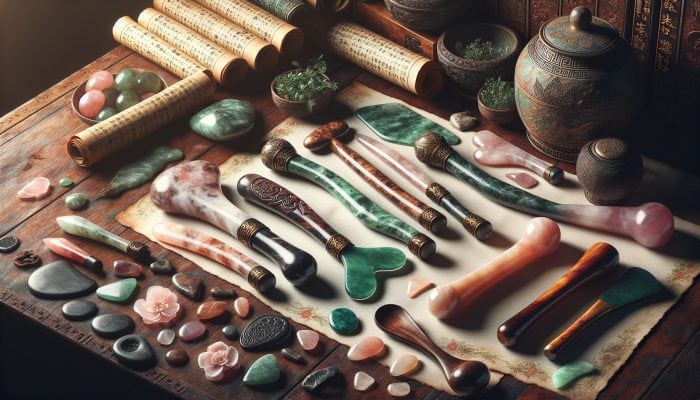
Gua Sha Tools in Acupuncture: Gua sha tools are vital implements within traditional Chinese medicine, specifically designed for the therapeutic practice known as gua sha, which translates to “to scrape sand.” This ancient healing method involves the precise scraping of the skin with uniquely shaped instruments, promoting enhanced circulation, alleviating muscle tension, and stimulating the body's innate healing processes through increased blood flow. Typically crafted from premium materials such as jade, rose quartz, and buffalo horn, these tools feature smooth surfaces that glide effortlessly over the skin, delivering a harmonious blend of therapeutic and aesthetic benefits.
In recent years, the practice of gua sha has expanded beyond its traditional boundaries, emerging as a significant element within acupuncture practices across the UK. This integration not only enriches the overall healing journey but also markedly improves patient outcomes. The tactile nature of gua sha prepares the body effectively, potentially enhancing the efficacy of acupuncture needles and creating a more comprehensive and holistic treatment approach that resonates with patients seeking deeper healing.
What Is the Historical Evolution of Gua Sha in UK Acupuncture Practices?
The adoption of gua sha within UK acupuncture has witnessed remarkable growth over recent decades. This transformation stems from practitioners' efforts to diversify their therapeutic methodologies. Originating primarily in East Asian cultures, gua sha's introduction to the UK has been enthusiastically embraced by the holistic health community. Practitioners in the UK have particularly valued gua sha for its straightforward application and the immediate benefits it can provide.
As more practitioners trained in traditional Chinese medicine migrated to the UK, interest in holistic therapies surged. This shift has been bolstered by numerous studies that underscore the efficacy of gua sha as a complementary therapy to acupuncture, solidifying its role in modern practices. Today, gua sha is no longer perceived merely as an exotic technique; it has matured into a respected component of treatment protocols in acupuncture clinics throughout the UK, contributing to an enriched patient experience.
What Types of Gua Sha Tools Are Available in the UK and What Materials Do They Feature?
In the UK, the diverse range of gua sha tools available reflects the growing demand for high-quality instruments designed to cater to various therapeutic needs. These tools are predominantly made from natural materials such as jade, rose quartz, and even stainless steel, each offering distinct advantages. For instance, jade is traditionally believed to possess healing properties that promote harmony and balance, while rose quartz is revered for its calming effects and ability to foster self-love and emotional healing.
Moreover, stainless steel tools have gained popularity due to their durability and ease of sanitisation, making them especially suitable for clinical settings. Practitioners often select tools based on their patients' specific needs or the desired treatment outcomes. The shape and size of the gua sha tool can significantly influence its effectiveness in targeting particular muscle groups or areas of tension, enhancing the overall treatment experience.
How Are Gua Sha Tools Skillfully Utilised in Acupuncture Clinics Across the UK?
What Techniques Are Employed When Applying Gua Sha?
In UK acupuncture clinics, gua sha is applied using a variety of techniques tailored to meet each patient's unique condition and treatment goals. Practitioners utilise specific strokes and varying pressure levels, focusing on areas of tension and stagnation to enhance circulation and relieve discomfort, thereby amplifying the therapeutic benefits of acupuncture. Some commonly employed techniques include:
- Gentle Scraping: Lightly scraping the tool across the skin to stimulate the area and promote local blood flow.
- Firm Pressure: Applying deeper pressure on targeted areas to alleviate more profound muscle tension.
- Long Strokes: Using extended strokes to cover larger muscle groups, encouraging overall relaxation.
- Spot Treatment: Concentrating on specific points of pain or stiffness to encourage relief.
- Combination with Acupuncture: Integrating gua sha before or after needling to maximise treatment efficacy.
- Directional Scraping: Scraping towards the heart to facilitate lymphatic drainage.
- Warm-Up Techniques: Preparing the skin with massage or heat before applying gua sha to optimise results.
Practitioners possess the expertise to adjust their techniques based on each patient's responses, ensuring treatments remain effective and comfortable. This adaptability is crucial for achieving optimal results and ensuring patient satisfaction, as it fosters a trusting practitioner-patient relationship.
What Are the Primary Benefits of Integrating Gua Sha into Acupuncture Treatments?
The incorporation of gua sha tools into acupuncture therapies offers a multitude of advantages. Primarily, it enhances blood circulation, which is vital for delivering oxygen and essential nutrients to tissues, thereby supporting the healing process. Improved blood flow also assists in the elimination of metabolic waste, significantly contributing to overall health and vitality.
Additionally, gua sha is renowned for its ability to reduce inflammation and muscle tension, making it especially beneficial for patients suffering from chronic pain. Many individuals report substantial improvements in their symptoms following gua sha treatments, including reduced stiffness and improved mobility. Furthermore, the practice often promotes relaxation and well-being, alleviating stress and nurturing a sense of calm, which is essential for holistic healing.
In summary, the inclusion of gua sha significantly amplifies the effectiveness of acupuncture treatments, establishing it as a valuable addition to any holistic health practice and enhancing the patient's overall experience.
What Safety Measures and Precautions Should Be Taken During Gua Sha Application?
While gua sha is generally considered safe, practitioners in the UK must adhere to specific safety protocols to minimise risks such as bruising or skin irritation. Conducting thorough assessments to identify contraindications, such as sensitive skin or clotting disorders, is essential prior to commencing any treatment.
Moreover, practitioners must ensure that all tools are meticulously cleaned and sterilised to prevent cross-contamination. After each use, gua sha tools should be washed with soap and water, followed by proper disinfection. Practitioners should also monitor the pressure applied during treatments and adjust techniques according to the patient's comfort to avoid unnecessary pressure or bruising.
Informed consent is a critical aspect of delivering gua sha treatments. Practitioners should clearly explain the procedure, potential effects, and aftercare recommendations to patients, ensuring they fully understand what to expect. This transparency fosters trust and empowers patients to make informed decisions regarding their treatment, leading to enhanced satisfaction with their care.
What Training and Certification Options Are Available for Aspiring Gua Sha Practitioners in the UK?
In the UK, practitioners keen to incorporate gua sha into their acupuncture practices are encouraged to pursue formal training and certification programmes. These programmes are designed to equip practitioners with the requisite skills and knowledge to perform gua sha safely and effectively.
Training typically encompasses anatomy, the physiological effects of gua sha, and practical application techniques. Comprehensive education also stresses the importance of assessing patient needs and tailoring treatments accordingly. Upon completion of the training, practitioners may receive certification, bolstering their credibility and assuring patients of their competence in delivering gua sha treatments.
As the popularity of gua sha continues to rise, ongoing education will be paramount in maintaining high standards of practice. Staying abreast of the latest research and techniques ensures practitioners can provide the best possible care to their patients, fostering a culture of excellence within the acupuncture community.
Gain Valuable Insights from Experts on the Effective Use of Gua Sha Tools in Acupuncture
What Real-World Experiences Do UK Practitioners Share Regarding Gua Sha?
Numerous UK practitioners have successfully integrated gua sha tools into their acupuncture practices, frequently reporting enhanced patient outcomes. For example, a practitioner based in London observed that incorporating gua sha into her treatments for chronic back pain resulted in a significant reduction in discomfort and improved mobility. She noted that gua sha not only facilitated immediate pain relief but also contributed to longer-lasting effects, which patients greatly appreciated.
Another practitioner from Manchester recounted a case of a patient suffering from migraines who experienced a remarkable decrease in both the frequency and intensity of headaches after undergoing regular gua sha sessions. The patient expressed feeling more relaxed and less stressed, attributing these positive changes to the synergistic combination of acupuncture and gua sha.
Moreover, a clinic in Bristol has effectively incorporated gua sha into its treatments for athletes, finding that post-acupuncture application improved recovery times and helped prevent injuries. These real-world examples underscore how gua sha can significantly enhance various aspects of patient care, solidifying its status as an invaluable tool within the acupuncture toolkit.
- A patient with chronic back pain reported substantial relief following gua sha sessions.
- A migraine sufferer experienced fewer headaches after receiving combined treatments.
- A sports clinic observed shorter recovery times among athletes who integrated gua sha into their regimen.
- Patients frequently reported increased relaxation and reduced stress in their treatment feedback.
What Actionable Steps Can Therapists Take to Effectively Implement Gua Sha?
For UK therapists aiming to integrate gua sha into their acupuncture practice, a structured approach is crucial. Initially, practitioners should conduct comprehensive patient assessments that consider the patient's medical history, current conditions, and treatment goals. This initial evaluation is vital for developing a treatment plan that aligns with the individual's specific needs.
Once the assessment is complete, therapists should formulate a personalised treatment strategy that combines gua sha with acupuncture. The integration of both techniques can create a synergistic effect, potentially yielding superior outcomes compared to employing either method independently. It is advisable to begin with gentle techniques and gradually increase intensity based on the patient's comfort and feedback.
Furthermore, practitioners should educate patients on what to expect from gua sha treatments, including the benefits and potential side effects. Providing aftercare guidance, such as emphasising the importance of hydration and rest, can significantly enhance the overall effectiveness of the treatment. By adopting this structured approach, therapists can ensure a more effective and patient-centric gua sha experience that prioritises patient well-being.
What Expert Analysis Reveals About the Efficacy of Gua Sha?
Expert analysis within the UK indicates that gua sha tools profoundly enhance the therapeutic effects of acupuncture. Research suggests that gua sha can be particularly effective in managing chronic pain, with many practitioners reporting substantial reductions in symptoms associated with conditions such as fibromyalgia and arthritis. The physical act of scraping the skin activates the body's natural healing processes, promoting improved circulation and reducing inflammation.
Moreover, practitioners have observed that patients often experience immediate relief and long-term benefits from regular gua sha treatments. The practice stimulates the body's meridian systems, which are integral to acupuncture, thereby facilitating a more holistic healing experience. Experts agree that combining gua sha with traditional acupuncture can lead to more comprehensive and effective treatment outcomes, ultimately benefitting the overall health and well-being of patients.
What Safety and Hygiene Standards Should Practitioners Follow When Using Gua Sha?
UK acupuncture professionals are required to adhere to strict safety and hygiene standards when utilising gua sha tools to ensure patient safety and mitigate the risk of cross-contamination. In accordance with guidelines from relevant health authorities, practitioners must ensure that all gua sha tools are thoroughly cleaned and sterilised before and after each treatment session.
Practitioners should utilise appropriate cleaning solutions and methods to disinfect tools, particularly those made from materials that may harbour bacteria, such as jade or horn. Furthermore, therapists should maintain a clean working environment, ensuring that all surfaces and equipment are routinely sanitised to uphold high hygiene standards.
Additionally, practitioners should educate themselves on recognising potential skin reactions or complications arising from gua sha, ensuring they can promptly address any adverse effects. This level of diligence not only protects patient health but also fosters trust in the practitioner-patient relationship, which is essential for effective treatment.
How Does Gua Sha Influence Acupuncture Treatment Costs?
The incorporation of gua sha tools into acupuncture treatments can impact overall treatment costs in several ways. While some practitioners may initially perceive the additional training and tool purchases as a financial burden, many experts contend that gua sha can ultimately lead to more efficient treatment sessions.
By enhancing patient outcomes, gua sha may reduce the number of required visits, thereby lowering long-term costs for patients. Additionally, practitioners have the opportunity to offer gua sha as an adjunct service, creating new revenue streams and attracting a broader clientele.
In essence, the potential for improved patient satisfaction and retention through enhanced treatment may offset the initial costs associated with integrating gua sha into practice. As demand for comprehensive, effective, holistic treatments continues to rise, gua sha enables practitioners to elevate their service offerings while managing costs effectively, ensuring a win-win situation for both practitioners and patients.
What Are the Best Practices for Using Gua Sha Tools in the UK?
How to Choose the Most Appropriate Gua Sha Tool for Patients?
Selecting the right gua sha tool for patients is crucial for maximising treatment effectiveness. Practitioners should consider the specific condition being addressed alongside the patient's physical characteristics and preferences. For instance, thicker, sturdier tools may be more effective for penetrating deeper muscle layers in larger patients, while thinner, more delicate tools might be better suited for individuals with sensitive skin.
The choice of material also significantly influences treatment outcomes. Practitioners often select jade for its reputed healing properties and its ability to maintain a cool temperature, which can help reduce inflammation. In contrast, rose quartz may be selected for its soothing qualities and emotional healing benefits. Although stainless steel tools may not carry the same traditional lore as stone materials, they are highly regarded for their practicality, durability, and ease of sanitisation.
Overall, the selection process should involve a thoughtful assessment of the patient's needs, preferences, and expected treatment outcomes. This personalised approach can greatly enhance both the effectiveness of gua sha therapies and overall patient satisfaction, ensuring a holistic experience that resonates with individual patients.
How Can Gua Sha Enrich Acupuncture Sessions?
Gua sha can serve as an effective preparatory technique in acupuncture sessions, optimising the effects of acupuncture needles. By using gua sha to warm the skin and underlying muscles, practitioners create an environment that is conducive to the effective action of acupuncture needles. The scraping action promotes blood flow and relaxes tight tissues, thereby enhancing the overall treatment experience and maximising therapeutic benefits.
Moreover, gua sha can assist in identifying areas of tension that require additional focus during acupuncture treatment. By observing the body's responses to gua sha, practitioners can discern which acupuncture points may be particularly beneficial for the patient. This synergistic approach facilitates a more comprehensive treatment plan that addresses both symptoms and underlying issues, creating a holistic healing framework that patients appreciate.
Ultimately, the integration of gua sha into acupuncture sessions enriches the therapeutic experience and yields more significant and lasting results for patients. As practitioners become increasingly adept at employing both techniques, they can craft tailored treatment strategies that optimise patient outcomes and foster a sense of well-being.
What Training and Certification Programs Are Available for Gua Sha in the UK?
In the UK, specialised training and certification in gua sha techniques are available for practitioners looking to enhance their skill set. These training programmes typically cover crucial topics, including the history of gua sha, its therapeutic benefits, and hands-on techniques for effective application. Comprehensive courses prioritise safety and hygiene, ensuring practitioners are well-prepared to deliver safe and effective treatments.
Additionally, practitioners may explore the materials used in gua sha tools to make informed choices about their application. As gua sha's popularity continues to rise, ongoing education on emerging techniques and best practices will be essential for maintaining high standards of practice and ensuring patient safety.
Certification not only bolsters a practitioner's credibility but also instills confidence in patients seeking treatment. By investing in training, practitioners demonstrate their commitment to delivering high-quality care, ultimately enriching the patient experience and treatment outcomes.
What Are the Patient Experiences with Gua Sha in UK Acupuncture?
What Insights Do Patients Share Regarding Gua Sha Treatments?
Patient feedback concerning gua sha treatments in the UK has been overwhelmingly positive, with many individuals reporting substantial improvements in their conditions. Patients frequently express gratitude for the immediate relief and enhanced mobility they experience following gua sha sessions. Testimonials often highlight the unique sensations associated with gua sha, which many find both soothing and invigorating, enhancing their overall sense of well-being.
Moreover, patients often indicate that integrating gua sha into their acupuncture sessions provides a valuable dimension to their overall treatment experience. They appreciate the holistic approach, as gua sha not only addresses superficial symptoms but also delves into deeper underlying issues that contribute to their condition. Many patients report improved overall well-being, contributing to a higher quality of life and a greater sense of satisfaction with their treatment.
- “After my gua sha treatments, my chronic pain has significantly decreased!”
- “The combination of acupuncture and gua sha has transformed my recovery process.”
- “I feel more relaxed and balanced after each session.”
- “Gua sha has helped improve my mobility and reduce muscle tension.”
What Common Conditions Are Effectively Treated with Gua Sha?
In the UK, gua sha is widely employed to treat a variety of conditions, making it a versatile addition to acupuncture practice. Patients seeking relief from neck and back pain often discover that gua sha complements their acupuncture treatments exceptionally well. The technique’s capacity to alleviate tension and enhance circulation makes it particularly effective for addressing musculoskeletal issues.
Additionally, gua sha has demonstrated efficacy in treating migraines and tension headaches, offering patients a non-invasive option for relief. Many practitioners also utilise gua sha to address emotional challenges such as anxiety and stress, as the treatment promotes relaxation and emotional release, contributing to a more balanced state of mind.
As awareness of gua sha's benefits continues to expand, more patients are exploring its potential to address a broader spectrum of health concerns. This trend presents exciting opportunities for holistic health practitioners, enabling them to provide more tailored care to their clients and enhance overall therapeutic outcomes.
How Do Patients Respond to the Integration of Gua Sha?
Most patients report heightened satisfaction with the inclusion of gua sha in their acupuncture sessions. Many express that the addition of gua sha significantly enhances their overall treatment experience, amplifying the effectiveness of acupuncture and contributing to improved outcomes. This positive feedback is vital for practitioners, as it validates the benefits of holistic approaches in patient care.
Patients appreciate the unique blend of techniques and often report immediate relief following treatments. They value the heightened attention to their specific needs and the thoroughness of care that arises from combining gua sha with acupuncture. Consequently, many patients are more inclined to adhere to regular treatment schedules, recognising the cumulative benefits of this integrative approach that prioritises their health and wellness.
In summary, patients report that gua sha not only complements acupuncture but also enhances their treatment experience, leading to deeper healing and improved overall well-being, which is essential for achieving their health goals.
Research-Backed Benefits of Gua Sha Tools in Acupuncture
What Scientific Studies Support Gua Sha for Effective Pain Management?
Research conducted in the UK has demonstrated that gua sha can serve as an exceptionally effective adjunct to acupuncture for managing chronic pain. Various studies indicate that patients receiving gua sha in conjunction with acupuncture experience significant reductions in pain levels and enhancements in functional mobility. For example, one study followed patients with fibromyalgia who incorporated gua sha into their treatment plans, revealing that their symptoms diminished more markedly than those who received acupuncture alone, underscoring the value of this combined approach.
Moreover, gua sha has been shown to activate the body's natural healing processes, which is crucial for individuals dealing with chronic pain. By enhancing circulation and diminishing inflammation, gua sha provides a comprehensive approach to pain management that complements traditional acupuncture techniques. This evidence-based perspective reinforces the importance of incorporating gua sha into treatment protocols, enhancing the overall effectiveness of patient care.
How Does Gua Sha Influence Circulation and Overall Health?
Numerous studies have established that gua sha can significantly enhance microcirculation and overall blood flow. The scraping action stimulates the superficial layer of the skin, leading to increased local circulation and improved oxygen delivery to tissues. This enhanced blood flow not only supports healing but also aids in the removal of metabolic waste, promoting overall health and well-being.
In acupuncture, improved circulation can augment the efficacy of needle placement. As blood flow increases, acupuncture points receive superior nutrient supply, potentially enhancing the body’s response to treatment. This synergy between gua sha and acupuncture underscores their combined effectiveness in promoting optimal health and wellness, making it a crucial aspect of modern holistic health practices.
What Are the Long-Term Benefits of Regularly Incorporating Gua Sha?
Long-term studies conducted in the UK indicate that regular use of gua sha as part of acupuncture treatments can yield sustained improvements in health and well-being. For patients with chronic conditions, recurring gua sha applications can effectively manage symptoms, reducing reliance on medications and invasive procedures. These findings are particularly relevant in today's health landscape, where patients are increasingly seeking holistic and non-invasive treatment options that prioritise their overall well-being.
Additionally, ongoing gua sha treatments may enhance emotional well-being by promoting relaxation and stress relief. As patients engage with gua sha over time, many report not only improvements in physical conditions but also enhancements in their mental and emotional states. This holistic benefit is crucial for practitioners aiming to address the multifaceted nature of health and well-being in their patients, fostering a more comprehensive approach to care.
What Are the Future Trends for Gua Sha Tools in UK Acupuncture?
What Innovations Are Emerging in the Design of Gua Sha Tools?
The future of gua sha tools in the UK is poised for exciting innovations, with designers and manufacturers exploring new materials and designs to enhance the therapeutic experience. Recent trends include the development of ergonomically designed tools that fit comfortably in a practitioner’s hand, allowing for improved control and precision during treatments.
Moreover, the use of sustainable materials is gaining popularity. As consumers become more environmentally conscious, there is a rising demand for gua sha tools made from eco-friendly materials. This shift reflects a commitment to sustainability while ensuring that practitioners can offer tools that align with their clients' values and preferences.
As innovations continue to emerge, practitioners will gain access to a broader array of options, enabling them to select tools that best meet their patients' needs while enhancing the overall treatment experience and efficacy of their practices.
How Will Gua Sha Practices Evolve Within UK Acupuncture?
The evolution of gua sha within UK acupuncture practices is likely to be significant as the popularity of holistic therapies continues to grow. As more practitioners recognise the complementary benefits of gua sha, it is expected to become a standard element of treatment protocols across the nation. This trend may lead to the development of new techniques that further enhance the synergy between gua sha and acupuncture, resulting in improved patient outcomes.
Additionally, as patient expectations evolve, practitioners will be inspired to innovate and refine their treatment approaches. This evolution may involve greater personalised care, with practitioners tailoring gua sha techniques to closely align with individual patient needs and preferences, ensuring a more tailored and effective treatment experience.
Overall, the growing appreciation for holistic health approaches bodes well for the future of gua sha in acupuncture, ensuring it remains relevant and effective in addressing patients' diverse needs while promoting overall well-being.
What Role Will Education Play in the Future of Gua Sha?
Education will play a pivotal role in shaping the future of gua sha within UK acupuncture practices. As the demand for gua sha rises, comprehensive training programmes will be essential to equip practitioners with the skills and knowledge required to utilise these techniques safely and effectively. This educational focus will ensure practitioners remain current with the latest best practices and research related to gua sha, fostering a culture of excellence in patient care.
Moreover, ongoing professional development will be critical in nurturing a culture of excellence within the acupuncture community. By promoting continuous learning and skill enhancement, practitioners can deliver the highest standard of care while remaining competitive in an increasingly crowded marketplace.
Ultimately, education will not only enhance practitioners' capabilities but also instil confidence in patients seeking gua sha treatments, reinforcing the value of holistic health practices in the UK and ensuring that patients receive the best possible care.
Frequently Asked Questions About Gua Sha
What materials are typically used to create gua sha tools?
Gua sha tools are commonly crafted from materials such as jade, rose quartz, and stainless steel, each offering unique therapeutic advantages that enhance their effectiveness.
In what ways does gua sha enhance the effects of acupuncture treatments?
Gua sha enhances acupuncture by improving circulation and alleviating muscle tension, allowing for more effective needle placement during treatment and optimising therapeutic outcomes.
Is the practice of gua sha considered safe for patients?
Yes, gua sha is generally safe when performed by a trained practitioner. Adhering to safety measures, including thorough patient assessments and hygiene protocols, is essential to ensure patient welfare.
What types of conditions can be effectively treated using gua sha?
Gua sha is frequently employed to address conditions such as chronic pain, migraines, and stress-related issues, significantly enhancing overall well-being and quality of life.
Is training necessary for individuals wishing to perform gua sha?
Yes, formal training and certification are highly recommended for anyone interested in performing gua sha to ensure safe and effective practice, thereby enhancing patient care.
How often should patients receive gua sha treatments?
The frequency of gua sha treatments varies based on individual needs and conditions, with many practitioners suggesting sessions every 1 to 4 weeks for optimal results and sustained benefits.
Can gua sha lead to bruising after treatment?
Some bruising may occur, particularly with firmer techniques. Practitioners should adjust pressure levels according to patient comfort to minimise this risk and enhance the overall experience.
What aftercare is recommended following gua sha treatments?
Post-treatment care typically includes staying well-hydrated, resting, and avoiding strenuous activities for the remainder of the day to enhance recovery and optimise treatment benefits.
Are gua sha and acupuncture interchangeable therapies in practice?
While both are valuable therapeutic options, they serve distinct purposes; gua sha can significantly enhance acupuncture but is not a substitute for it, complementing the overall treatment strategy.
How do patients generally feel after undergoing gua sha sessions?
Patients commonly report feelings of relaxation, reduced pain, and increased mobility following gua sha sessions, making it a beneficial addition to their overall treatment plan and experience.
Connect with us on Facebook!
The article Gua Sha Tools in Acupuncture: Enhancing UK Practices was first published on https://acupuncture-frome.co.uk.
The Article Gua Sha Tools: Elevating Acupuncture Practices in the UK Was Found On https://limitsofstrategy.com