
Uncover the Vital Role of Fertility Blood Testing in Reproductive Health
What Hormones Are Evaluated in a Fertility Blood Test to Assess Your Health?
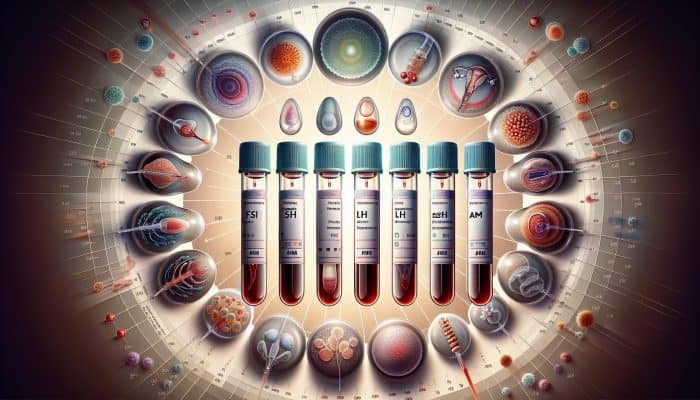
The Fertility Blood Test in Bearsden measures essential hormone levels that are critical for assessing reproductive health. The main hormones analysed include Follicle Stimulating Hormone (FSH), Luteinising Hormone (LH), estradiol, progesterone, and Anti-Müllerian Hormone (AMH). Each of these hormones serves a unique purpose within the menstrual cycle and is pivotal for maintaining fertility. For instance, FSH is essential for the growth and maturation of ovarian follicles, while LH induces ovulation. Conducting these tests offers valuable insights into a person's fertility potential and general reproductive health.
These test results can reveal whether the ovaries are functioning optimally. Elevated FSH levels might suggest a low ovarian reserve, while diminished AMH levels could indicate reduced fertility potential. Understanding these hormonal levels is crucial, not only for diagnosing infertility issues but also for identifying suitable treatment options tailored to the individual's unique circumstances. The link between hormone levels and reproductive health is a fundamental aspect of fertility assessments.
Furthermore, it is important to recognise that hormone levels can fluctuate throughout the menstrual cycle. Thus, the timing of the test holds significant importance for accurate results. Women are typically encouraged to schedule their blood tests during specific days of their cycle, usually between days 2 and 5, to ensure that the information gathered is most relevant for effective evaluation. This strategic timing ensures that healthcare providers can interpret the results accurately, fostering informed decisions regarding fertility management.
How Frequently Should You Undergo Fertility Blood Tests to Monitor Your Health?
The interval at which fertility blood tests should be conducted can vary greatly depending on individual health conditions and medical recommendations. Generally, these tests may be performed annually for standard health evaluations, or they may be conducted more regularly, such as every few months, if an individual is involved in fertility treatments. Ongoing monitoring is vital since hormone levels can fluctuate due to various factors, including health changes or responses to treatments. Being proactive in monitoring hormonal status is key to successful reproductive planning.
For individuals actively trying to conceive, consistent testing can provide insights into hormonal variations and help assess the effectiveness of ongoing treatments. For example, if a woman is undergoing In Vitro Fertilisation (IVF), her physician may recommend more frequent blood tests to monitor her hormonal response to medications. This customised approach ensures that treatment plans can be adjusted promptly, maximising the likelihood of successful conception. Regular assessments empower individuals to stay informed about their reproductive health and adapt strategies accordingly.
Ultimately, the frequency of blood tests should be determined by a healthcare provider who considers the individual's health history, lifestyle factors, and current fertility treatments to create the most effective testing schedule. Open communication with healthcare professionals is essential to tailor a monitoring plan that aligns with personal fertility goals.
Can Fertility Blood Tests Predict the Success of Pregnancy Accurately?
While fertility blood tests provide essential information regarding hormone levels, they cannot definitively forecast the success of a pregnancy. The outcomes of these tests help in understanding one's reproductive health and can guide treatment strategies, yet they do not guarantee a positive outlook on future pregnancies. For instance, a woman may show normal hormone levels but still face challenges in becoming pregnant due to other factors such as age, egg quality, or uterine health. This illustrates the multifaceted nature of fertility assessments.
These tests can offer indications regarding the likelihood of ovulation and the potential for a successful pregnancy, but they must be considered within a broader context. Elements such as the health of the partner's sperm, the presence of anatomical anomalies, and overall lifestyle choices also significantly influence fertility. Therefore, while hormonal levels provide valuable insights, they represent just one piece of the complex fertility puzzle. A holistic approach to fertility management is crucial for optimising outcomes.
Healthcare professionals frequently use these results to advise couples on the most effective conception methods, which may include lifestyle adjustments or assisted reproductive technologies. Consequently, fertility blood tests are indispensable tools in planning and increasing the likelihood of pregnancy, although they are not the sole determinants of success. This comprehensive approach empowers couples to make informed decisions about their reproductive journey.
What Factors Can Affect the Accuracy of Fertility Blood Test Results?

The accuracy of fertility blood test results can be influenced by numerous factors, making it essential to interpret the results with care. One major factor is the timing of the test; hormone levels can vary significantly at different stages of the menstrual cycle. Testing at an inappropriate time can yield misleading results. For example, measuring progesterone levels too early may suggest a lack of ovulation when ovulation has actually occurred later in the cycle. This highlights the importance of precise timing in fertility assessments.
Medications also significantly impact this context. Certain drugs, especially hormonal treatments or contraceptives, can modify hormone levels and subsequently affect test results. Moreover, stress—both physical and emotional—can alter hormone production, potentially distorting results. Underlying health issues, such as polycystic ovary syndrome (PCOS) or thyroid disorders, can also lead to abnormal hormone levels, complicating the interpretation of results. A thorough understanding of these variables is essential for accurate assessments.
To ensure accuracy, it is crucial to strictly follow the pre-test instructions provided by healthcare professionals, which may involve fasting or avoiding specific medications. By understanding these factors, individuals can navigate their fertility testing experience more effectively and make well-informed decisions regarding their reproductive health. This proactive stance enhances the reliability of testing outcomes.
Essential Steps for Effective Preparation for Your Fertility Blood Test
What Steps Should You Take Prior to a Fertility Blood Test for Optimal Results?
Preparing for a fertility blood test is vital to guarantee accurate results. Before the test, patients should avoid strenuous exercise, as intense physical activity can elevate hormone levels and skew results. It is also advisable to refrain from certain medications that could interfere with test outcomes. For example, hormonal contraceptives can significantly alter the hormones being measured, leading to potentially misleading conclusions. Understanding the impact of these factors ensures the integrity of test results.
Fasting may be a requirement prior to the test, depending on the specifics of what is being evaluated. Following your doctor's explicit instructions is essential for achieving the most accurate results possible. Patients should confirm whether fasting is necessary and for how long before the test. This preparation phase is crucial to ensure that the test results accurately reflect true hormonal states, ultimately facilitating more effective diagnosis and treatment planning. Clarity in these instructions can significantly enhance testing outcomes.
In addition, taking time to relax before the test can also be beneficial. Since stress can influence hormone levels, approaching the test in a calm and collected manner can enhance the reliability of the results. By preparing effectively, individuals increase the likelihood of receiving accurate and actionable information regarding their reproductive health. This emphasis on mental well-being can be just as important as physical preparation.
How to Choose the Right Clinic for Your Fertility Blood Test Effectively?

Selecting the appropriate clinic for a fertility blood test is a crucial step in the journey towards understanding reproductive health. When exploring options in Bearsden, consider factors like location, reputation, and the expertise of the staff. Proximity to home can ease the logistics of multiple visits, especially if follow-up tests are required. Finding a convenient location can reduce stress during an already challenging time.
Reputation is equally significant; clinics with positive reviews and patient testimonials typically indicate a successful track record and high levels of patient satisfaction. Investigating the clinic’s background, including their success rates with fertility treatments, can provide insights into their level of expertise. Recommendations from healthcare providers, friends, or family can also be invaluable in guiding your decision-making process. Building trust in the clinic is paramount for a positive experience.
Additionally, if possible, visiting the clinic beforehand can be advantageous. This provides prospective patients with the opportunity to meet the staff, evaluate the environment, and inquire about procedures and testing protocols. A supportive and comfortable atmosphere can significantly enhance the overall experience during what can be a stressful time. Establishing rapport with the clinic staff can foster a sense of comfort and assurance.
What Documentation Is Necessary for a Fertility Blood Test to Ensure a Smooth Process?
Before attending a fertility blood test, it is crucial to gather the necessary documentation to ensure a smooth process. Patients should carry a form of identification, such as a driver’s license or passport, to verify their identity. Insurance details are also vital; having your insurance card ready can streamline the billing process and clarify coverage specifics for the test. Being organised can alleviate potential stress during the appointment.
Moreover, bringing any previous medical records or test results can provide valuable context for the healthcare provider. This information may include records of past fertility tests, relevant medical history, or previous hormone levels that could influence current testing. Having comprehensive documentation enables the healthcare team to offer tailored advice and treatment options based on your unique health profile. This thorough preparation can facilitate a more efficient consultation.
By ensuring that all required documents are prepared, individuals can alleviate potential stress and improve the efficiency of their appointment, allowing them to focus on their health and fertility objectives. This proactive approach enhances the overall experience of fertility testing.
Interpreting Your Fertility Blood Test Results with Confidence
What Do Normal Hormone Levels Indicate About Your Reproductive Health?
Normal hormone levels signify a well-functioning reproductive system and provide reassuring insights into an individual's fertility status. For example, optimal levels of FSH and LH suggest that the pituitary gland operates correctly, indicating that ovarian function is likely intact. In women, appropriate levels of estradiol and progesterone signify regular ovulation, which is a prerequisite for conception. These benchmarks are essential for evaluating reproductive functionality.
However, it is essential to recognise that individual results must be interpreted by a healthcare professional within the broader context of the patient’s overall health and circumstances. Variations can occur, and what is considered “normal” may differ from one individual to another, influenced by factors such as age, health history, and specific reproductive goals. Consulting with a healthcare provider is vital for a comprehensive understanding of the results. This collaborative approach ensures clarity and direction.
Patients should engage in discussions about their results, asking questions about what their hormone levels mean for their fertility journey. This dialogue can help clarify any uncertainties and guide individuals toward the most effective next steps, whether that involves further testing, lifestyle changes, or fertility treatments. Empowering patients through education can foster informed decision-making throughout their reproductive journey.
How Are Abnormal Results Addressed by Healthcare Professionals?
Abnormal hormone levels can be concerning, but they often lead to further investigations or tailored treatments aimed at addressing underlying issues. When results fall outside the normal range, healthcare providers typically discuss potential causes and outline the best course of action. This may involve additional tests to confirm findings or to explore related health concerns. Understanding the implications of these results is crucial for effective management.
For instance, elevated levels of FSH may indicate diminished ovarian reserve, prompting discussions about options like egg freezing or assisted reproductive technologies. Conversely, low levels of progesterone might suggest ovulation issues, leading to recommendations for medications to stimulate ovulation or regulate menstrual cycles. This tailored approach ensures that each patient receives care that is responsive to their unique needs.
Patients should understand that abnormal results do not provide definitive answers; rather, they serve as a starting point for further exploration. Treatments can range from lifestyle modifications, such as dietary adjustments and exercise, to medical interventions, including hormone therapies or fertility treatments like IVF. The key is to approach abnormal results collaboratively with healthcare professionals who can provide guidance tailored to individual circumstances. This collaborative dynamic can significantly enhance treatment effectiveness.
Can Hormone Levels Change Over Time, and What Does This Mean for You?
Yes, hormone levels can fluctuate for various reasons and may change over time. Age is one of the most significant factors influencing hormone levels, particularly in women. As women approach menopause, levels of hormones such as AMH and estradiol tend to decline, impacting fertility. Furthermore, lifestyle changes, health conditions, and treatments can also alter hormone levels. Recognising these dynamics is essential for effective reproductive health management.
Regular retesting can be vital for monitoring changes in hormone levels, especially for individuals undergoing fertility treatments. For example, a woman may initiate treatment for ovulation induction, necessitating regular monitoring of her hormone levels to evaluate her response to medications. This ongoing assessment is critical for adapting treatment protocols to individual needs.
Additionally, health changes, including weight loss or the onset of medical conditions like PCOS, can significantly affect hormone production. Therefore, maintaining ongoing communication with healthcare providers is essential. Regularly updated testing enables personalized treatment adjustments, ensuring individuals receive the most effective care tailored to their evolving health needs. This proactive approach fosters a responsive care environment.
How Do Lifestyle Choices Affect Test Results and Your Reproductive Health?
Lifestyle factors such as diet, exercise, and stress management can profoundly influence hormone levels, subsequently affecting the outcomes of fertility blood tests. Poor nutritional choices can lead to hormonal imbalances crucial to reproductive health. For instance, diets high in processed foods and sugars can exacerbate conditions like insulin resistance, disrupting hormone regulation. This relationship underscores the importance of mindful dietary choices.
Moderate regular exercise can enhance hormonal balance, but excessive physical activity may lead to decreased estrogen levels and irregular menstrual cycles. Conversely, maintaining a healthy weight through balanced nutrition and regular exercise can support hormone levels, fostering an optimal environment for fertility. This balanced approach is crucial for maintaining reproductive health.
Stress is another significant factor; elevated stress levels can lead to increased cortisol production, which can impact the menstrual cycle and ovulation. Implementing stress-reduction techniques such as mindfulness, yoga, or regular physical activity can help manage this aspect of health. Discussing lifestyle habits with healthcare providers can foster a holistic approach to fertility, allowing individuals to optimise their chances of achieving their reproductive goals. This comprehensive strategy can enhance overall well-being.
Professional Insights on Fertility Blood Testing in Bearsden
What Do Experts Say About the Accuracy of Fertility Blood Tests and Their Importance?
Experts confirm that fertility blood tests are highly accurate when performed correctly, providing vital insights into an individual’s reproductive health. However, it is crucial to interpret these results within the context of the individual’s overall health and medical history. Factors influencing test accuracy include the timing of the test, the method of sample collection, and the laboratory procedures employed. Understanding these elements is fundamental for accurate assessments.
Laboratories with high-quality, accredited practices tend to yield more reliable results. Furthermore, the healthcare provider’s expertise in interpreting the results is crucial. Patients are encouraged to have thorough discussions with knowledgeable healthcare professionals about their results, who can provide context and clarity. This dialogue can empower patients to take an active role in their reproductive health management.
- The timing of the test can significantly affect results.
- Medications may alter hormone levels and skew outcomes.
- Lab accreditation is essential for ensuring the reliability of results.
- Patient health history must be considered during interpretation.
- Stress can affect hormone levels and, in turn, testing accuracy.
- Age can alter hormonal balance and its interpretation.
- Individual variations mean “normal” ranges can differ.
These key considerations emphasise the importance of thorough communication with healthcare providers to ensure individuals receive the most accurate interpretation of their hormone levels. This emphasis on communication fosters a supportive healthcare environment.
How Can You Effectively Decode Complex Test Results for Informed Decisions?
Interpreting complex test results from a fertility blood test requires a solid understanding of hormone interactions and their implications for reproductive health. Patients may receive results that include various hormone levels, each indicating different aspects of fertility. For instance, a combination of high FSH and low AMH could suggest diminished ovarian reserve, while elevated LH with low estradiol might point to ovulation issues. This complexity necessitates careful analysis and discussion.
To effectively decode these intricate results, patients should prepare for follow-up appointments by noting specific questions and concerns regarding their results. Engaging in an open dialogue with healthcare providers can clarify ambiguities and help patients grasp the implications of their results. This proactive approach fosters a collaborative relationship with healthcare providers.
Actionable steps include asking about the significance of each hormone level, inquiring how results relate to fertility goals, and discussing potential next steps or treatment options. Additionally, requesting a printed copy of test results can facilitate discussions and allow for deeper personal reflection. This empowerment enables patients to navigate their fertility journey with confidence.
What Are the Latest Innovations in Fertility Testing and Their Implications?
Recent advancements in fertility testing have significantly enhanced the ability to evaluate reproductive health with greater accuracy. Innovations such as more sensitive hormone assays are enabling the detection of lower hormone levels, providing deeper insights into an individual’s fertility status. For example, advancements in measuring AMH levels have improved the assessment of ovarian reserve, a crucial factor in planning fertility treatments. This progress is shaping the future of reproductive health.
Genetic testing represents another breakthrough, offering a more comprehensive understanding of fertility issues. Genetic tests can identify conditions that may affect fertility, thereby guiding personalised treatment plans. As these methods become increasingly accessible, they empower healthcare providers to tailor interventions more effectively to individual needs. This evolution is enhancing the precision of fertility management.
Experts suggest that these innovations will greatly impact patient care. By offering more detailed information about hormonal and genetic influences on fertility, healthcare providers can make informed decisions regarding treatment options, ultimately improving outcomes for those seeking to conceive. Staying informed about these advancements can empower patients to make well-informed choices throughout their fertility journey.
The Critical Role of Fertility Blood Tests in Shaping Treatment Strategies
How Do Fertility Blood Tests Shape Treatment Plans for Better Outcomes?
Fertility blood tests are vital in developing treatment strategies by identifying hormonal imbalances and reproductive concerns. By evaluating hormone levels, healthcare providers can create personalised treatment protocols tailored to individual needs. For instance, if a test reveals low progesterone levels, a doctor may recommend progesterone supplementation to support ovulation and regulate the menstrual cycle. This targeted approach is fundamental for effective treatment.
Moreover, these tests also help determine the optimal timing for procedures such as In Vitro Fertilisation (IVF) or Intrauterine Insemination (IUI). Accurate hormone monitoring allows professionals to optimise the timing of these interventions, maximising the chances of success. Additionally, blood tests can indicate when to adjust medication types or dosages to enhance treatment efficacy, ensuring a personalised approach to fertility. This adaptability is crucial for successful reproductive outcomes.
In summary, fertility blood tests play an instrumental role in developing effective treatment plans. By providing critical insights into hormonal status, they empower healthcare providers to make informed decisions that align with patients’ reproductive goals, ultimately improving the likelihood of conception. This alignment between testing and treatment is essential for enhancing reproductive health.
What Treatments Are Commonly Recommended After Test Results Indicate Specific Needs?
Following a fertility blood test, a variety of treatments may be recommended based on the findings. Common interventions include hormone therapy, often utilised to address hormonal imbalances identified during blood tests. For example, if test results indicate low levels of estrogen, a doctor may prescribe hormone replacement therapy to support ovulation and menstrual regularity. This approach is vital for restoring hormonal balance.
Additionally, ovulation induction medications might be suggested for individuals with irregular cycles or difficulties in ovulating. Treatments such as Clomiphene Citrate or Letrozole are often employed to stimulate ovulation and increase the chances of conception. These pharmacological interventions play a key role in enhancing fertility.
Assisted reproductive technologies, including IVF or IUI, may also be considered depending on individual circumstances and test outcomes. For instance, if tests reveal low sperm count or motility, IUI might be recommended as a viable option. The flexibility and adaptability of treatment options underscore the importance of fertility blood tests in tailoring individual approaches to address specific reproductive challenges. This customised care pathway is essential for improving success rates.
Ultimately, the chosen treatment plan will depend on a comprehensive analysis of blood test results, along with the patient’s overall reproductive health profile. This thorough consideration of individual circumstances is key to effective treatment planning.
Can Test Results Influence Treatment Success Rates Significantly?
Yes, understanding hormone levels through fertility blood tests can significantly influence treatment outcomes. By identifying specific hormonal deficiencies or imbalances, healthcare providers can implement targeted interventions that enhance the likelihood of conception. For instance, if blood tests reveal low progesterone levels, timely intervention with hormone supplementation can create a more conducive environment for pregnancy. This proactive approach is critical for success.
Furthermore, adjusting treatment strategies based on test results can improve success rates. For example, if a patient responds positively to initial hormone therapy as indicated in follow-up blood tests, the provider may recommend continuing or intensifying that treatment. Regular monitoring allows for timely modifications to treatment plans, optimising the chances of successful conception. This adaptability is fundamental for effective fertility management.
In this regard, fertility blood tests not only provide insights into current reproductive health but also inform proactive and adaptive treatment approaches. By tailoring interventions to the specifics of an individual’s hormonal profile, healthcare providers can enhance the overall effectiveness of fertility treatments, ultimately leading to better outcomes for patients. This alignment between testing and treatment is crucial for achieving reproductive goals.
How Fertility Blood Tests Can Impact Your Life and Emotional Well-being
What Emotional Responses Can Fertility Testing Evoke and How to Manage Them?
Fertility testing can evoke a complex array of emotions, including hope, anticipation, anxiety, and sadness. For many individuals, the journey of trying to conceive is filled with emotional challenges, and undergoing fertility blood tests can amplify these feelings. The uncertainty surrounding results and their implications for future family planning can be particularly daunting. Acknowledging these emotions is the first step towards managing them effectively.
Support from loved ones is essential during this emotionally charged period. Open conversations about feelings and fears can help alleviate stress and foster a more positive outlook. Additionally, seeking professional counselling or joining support groups can provide a safe space for individuals to express their emotions and gain insights from others facing similar circumstances. Building a support network can be invaluable during this time.
Moreover, acknowledging that emotional responses are valid and common can help reduce feelings of isolation. Healthcare providers can also contribute to emotional well-being by offering reassurance and clear communication regarding test results and potential next steps. Addressing the emotional aspect of fertility testing is crucial for maintaining mental health throughout the process. This comprehensive approach enhances overall well-being.
How Can Fertility Blood Tests Inform Family Planning Decisions Effectively?
Understanding one’s fertility status through blood tests can significantly influence family planning decisions. Armed with information about hormone levels and reproductive health, individuals can make informed choices about when and how to conceive. For some, insights into hormone levels may prompt earlier discussions about family planning, while others might choose to explore fertility treatments if tests indicate potential challenges. This proactive approach empowers individuals and couples.
For couples actively trying to conceive, test results can provide clarity on the optimal timing for intercourse or assisted reproductive procedures, thus enhancing the chances of success. Furthermore, individuals may consider lifestyle modifications based on their results, adjusting factors such as diet, exercise, and stress management to optimise fertility. This holistic strategy can be instrumental in achieving reproductive goals.
Ultimately, being informed about one’s fertility status empowers individuals and couples to approach family planning with greater confidence and intentionality. This proactive approach can lead to more fulfilling experiences during the journey to parenthood. Understanding the implications of testing can enhance the overall experience of family planning.
What Lifestyle Changes Might Be Recommended Following Testing for Improved Outcomes?
After testing, healthcare providers frequently recommend specific lifestyle modifications to improve fertility outcomes. For example, adopting a balanced diet rich in whole foods, fruits, and vegetables can support hormonal balance. Key nutrients, such as folic acid and omega-3 fatty acids, are particularly beneficial for reproductive health. Emphasising nutrition is fundamental for establishing a healthy foundation for reproductive success.
Regular moderate exercise is also encouraged, as it can help maintain a healthy weight and regulate hormone levels. However, extreme weight loss or excessive exercise can negatively impact fertility, making a balanced approach paramount. Stress management techniques, including mindfulness, yoga, or deep-breathing exercises, can also significantly enhance overall reproductive health. This comprehensive strategy is crucial for fostering a supportive environment for conception.
Furthermore, avoiding harmful substances such as tobacco and excessive alcohol can create a healthier environment for conception. By addressing these lifestyle factors, individuals can actively improve their fertility outcomes, complementing the insights gained from fertility blood tests. This holistic approach maximises the potential for successful reproductive health.
Research-Backed Advantages of Fertility Blood Tests in Bearsden
What Does Research Reveal About the Effectiveness of Fertility Blood Tests in Diagnosing Issues?
Research emphasises the importance of fertility blood tests in accurately diagnosing hormonal issues that may hinder conception. Studies have demonstrated that these tests effectively identify conditions such as polycystic ovary syndrome (PCOS), thyroid dysfunction, and challenges related to ovarian reserve. Gaining a clear understanding of hormone levels through blood tests enables healthcare providers to tailor fertility treatments effectively. This precision enhances treatment outcomes.
Key findings from research include:
- Fertility blood tests can significantly reduce the time required to diagnose hormonal imbalances.
- Regular monitoring of hormone levels enhances treatment personalisation.
- Hormonal assessments can lead to early intervention, optimising chances of conception.
- Recent studies highlight a correlation between specific hormone levels and successful pregnancy outcomes.
Such insights illustrate the critical role of fertility blood tests in guiding effective treatments, thereby enhancing overall reproductive health for individuals in Bearsden. With continuous advancements in testing methodologies and technologies, the efficacy of these blood tests is expected to improve further, benefiting patients seeking to conceive. This forward momentum in research is vital for advancing reproductive health.
How Do Fertility Blood Tests Compare to Other Fertility Diagnostics in Holistic Assessments?
Fertility blood tests complement other diagnostics such as ultrasounds or semen analysis by providing specific hormonal data that are essential for comprehensive fertility assessments. While ultrasounds visually evaluate ovarian follicles and uterine conditions, blood tests furnish quantifiable insights into hormone levels, which are crucial for understanding ovulation and reproductive health. This integration of methodologies is essential for accurate diagnosis.
Compared to semen analysis, which focuses on sperm health, blood tests offer critical data about the hormonal environment affecting both male and female fertility. For example, hormonal imbalances in females can disrupt ovulation, and similar assessments in males can unveil potential fertility challenges. This multifaceted approach not only helps accurately diagnose fertility issues but also aids in developing customised treatment plans that address the unique needs of each patient. This comprehensive strategy optimises reproductive health management.
What Future Research Is Focused on Fertility Testing Innovations?
Future research in fertility testing aims to enhance the sensitivity and accuracy of hormone assessments while exploring genetic factors that influence fertility. Ongoing studies seek to develop innovative testing methods that more effectively identify hormonal and genetic anomalies, potentially leading to more tailored and successful treatments. This research trajectory is vital for advancing reproductive health.
Real-world examples of ongoing studies include investigations into non-invasive methods for assessing ovarian reserve and examining the impact of lifestyle factors on hormonal health. Additionally, research is being conducted on the role of genetics in fertility, aiming to uncover how genetic predispositions can affect reproductive outcomes. These advancements promise to provide deeper insights into the complexities of fertility, equipping healthcare providers with the knowledge needed to create highly personalised treatment plans. As research continues to evolve, patients can look forward to a future of fertility testing that offers even greater precision and support in their reproductive journeys.
How Can Fertility Blood Tests Improve Fertility Outcomes in Bearsden?
Fertility blood tests can significantly enhance fertility outcomes for residents in Bearsden by enabling tailored treatments that address individual hormonal imbalances and reproductive challenges. With accurate hormone assessments, healthcare providers can formulate specific interventions that are more likely to result in successful conception. This personalised approach is crucial for optimising reproductive health.
Local case studies have shown that individuals who underwent fertility blood tests and received appropriate recommendations experienced improved outcomes in their fertility treatments. For example, a couple struggling to conceive for years achieved success after identifying and addressing hormonal imbalances through targeted therapies guided by their blood test results. These real-life examples underscore the importance of informed decision-making.
Statistics indicate that patients who engage in regular monitoring and customised treatment plans based on blood test findings exhibit higher success rates with assisted reproductive technologies. By leveraging the insights gained from fertility blood testing, residents of Bearsden can navigate their fertility journeys with enhanced confidence and access to effective care. This evidence-based approach enhances overall reproductive health.
Cost and Accessibility of Fertility Blood Tests: What You Need to Know
What Is the Typical Expense of a Fertility Blood Test in Bearsden?
The cost of fertility blood tests can vary widely, generally ranging from £50 to £200 per test, depending on the clinic and the specific hormones being evaluated. Factors influencing price include the type of test being conducted, the laboratory’s accreditation, and the clinic’s geographical location. Understanding these variables is essential for budgeting purposes.
Patients in Bearsden can find a variety of options, from private clinics to NHS services. Private clinics may offer packages that combine multiple tests at a reduced rate, which can be financially advantageous for those requiring extensive testing. Individuals should inquire directly with clinics about pricing details to gain a clear understanding of the total costs. This transparency is vital for informed decision-making.
Moreover, viewing testing as an investment in health can alter perceptions of costs. The insights gleaned from fertility blood tests can inform significant decisions regarding reproductive health, making it a worthwhile expenditure for many individuals and couples. This perspective can shift the focus from cost to value.
Are Fertility Blood Tests Covered by the NHS in Bearsden?
Certain fertility blood tests may be covered by the NHS, especially if they are deemed medically necessary. However, coverage can vary significantly based on regional guidelines and individual circumstances. In Bearsden, patients are encouraged to consult with their GP to ascertain which tests are covered and under what criteria. This proactive engagement is essential for understanding available options.
In some instances, patients may need to demonstrate a history of infertility or other relevant health concerns to qualify for NHS-funded tests. If tests are not covered, many individuals opt for private assessments, allowing for quicker access to results and personalised care. This flexibility is vital for timely interventions.
Understanding the financial implications of fertility testing is crucial for patients, as it can aid in planning and budgeting for necessary evaluations and treatments. Individuals should communicate openly with their healthcare providers about financial concerns and explore available testing options. This dialogue fosters a supportive healthcare environment.
How Can You Discover Affordable Fertility Testing Options in Your Area?
Identifying affordable fertility testing options necessitates research and an examination of various resources. Patients should investigate local clinics that offer package deals to lower the overall cost of multiple tests. Some clinics may also provide financing options or payment plans, making fertility testing more accessible. Understanding these options can ease financial burdens.
Considering private insurance coverage can further mitigate costs, as many insurance plans include coverage for specific fertility tests. Individuals should verify with their insurance providers to understand coverage specifics and available options. This step is crucial for managing out-of-pocket expenses.
Additionally, exploring NHS services can provide pathways for free or low-cost fertility tests, particularly if there is a medical necessity. Engaging with local fertility support groups or online forums can yield recommendations on affordable testing options and clinics in Bearsden. This community engagement can enhance awareness of available resources.
By actively seeking information and resources, individuals can identify the most suitable and cost-effective options for their fertility testing needs, ensuring they receive the necessary evaluations without incurring financial strain. This proactive approach is essential for effective reproductive health management.
Best Practices for Fertility Blood Testing in Bearsden: Ensuring Accurate Results
What Are Recommended Guidelines for Undergoing a Fertility Blood Test?
To ensure a successful fertility blood test, individuals should adhere to several best practices. Selecting a reputable clinic is paramount; this ensures that tests are conducted accurately and with the highest level of care. Researching the clinic’s credentials and patient reviews can provide insights into their reliability and quality of care. This step is vital for establishing trust in the testing process.
Following pre-test instructions is equally important. Patients should pay close attention to guidelines regarding fasting, medication restrictions, and timing within the menstrual cycle. Adhering to these instructions can significantly influence the accuracy of test results. This compliance is essential for obtaining reliable data.
Communication with healthcare providers is vital. Patients should feel empowered to discuss any concerns or questions they may have. Being open about medical history and current health can also help providers tailor recommendations effectively. This dialogue fosters a collaborative healthcare environment.
- Research clinics for accreditation and patient reviews.
- Follow all pre-test instructions diligently to ensure accurate results.
- Engage in open communication with healthcare providers regarding concerns.
- Prepare questions in advance for follow-up discussions.
By implementing these strategies, individuals can enhance the likelihood of receiving accurate and meaningful results from their fertility blood tests. This proactive approach is essential for effective reproductive health management.
How Can You Ensure the Reliability of Your Test Results Throughout the Process?
Ensuring the reliability of fertility blood test results necessitates careful attention to detail throughout the testing process. Patients should select accredited laboratories known for their quality standards, as this significantly impacts the accuracy of results. Additionally, adhering to all pre-test guidelines is crucial; discrepancies in preparation can lead to misleading outcomes. This meticulousness is fundamental for reliable testing.
If test results are unexpected or unclear, patients should consider retesting. Hormone levels can fluctuate, and repeat testing can help confirm results and provide a clearer picture of reproductive health. Regular follow-ups with healthcare providers enable ongoing monitoring and discussion of any variations in test results. This continuity of care is essential for effective management.
Moreover, patients should maintain comprehensive records of their tests and results to track changes over time and inform discussions with healthcare providers. This proactive approach ensures individuals have the information they need to make informed decisions about their fertility journey. This diligence can enhance the overall experience of reproductive health management.
What Follow-Up Actions Should You Consider After Your Test for Informed Decision-Making?
After completing a fertility blood test, several follow-up steps are essential to maximise the insights gained from the results. First and foremost, scheduling a follow-up appointment with a healthcare provider allows for an in-depth discussion of the test outcomes. This conversation provides an opportunity to clarify any questions and understand what the results mean for individual fertility goals. This dialogue is critical for informed decision-making.
If results indicate the necessity for further testing or interventions, patients should thoroughly discuss those options. It is crucial to understand the rationale behind recommended actions for informed decision-making. Patients should also inquire about the timeline for any subsequent tests or treatments. This clarity is vital for effective planning.
Additionally, considering lifestyle adjustments based on the test results can be beneficial. Whether it involves dietary changes, exercise modifications, or stress management strategies, integrating these changes can support overall reproductive health. Maintaining open communication with healthcare providers ensures that individuals receive continuous support and guidance throughout their fertility journey. This collaborative approach enhances the overall experience.
Frequently Asked Questions About Fertility Blood Testing: Essential Insights
What Is a Fertility Blood Test and Its Purpose?
A fertility blood test is a medical evaluation that measures hormone levels critical for assessing reproductive health and fertility potential. Understanding these metrics is crucial for effective reproductive management.
What Hormones Are Typically Tested in a Fertility Blood Test?
Common hormones tested include FSH, LH, estradiol, progesterone, and AMH, each providing insights into various aspects of reproductive health. This information is essential for diagnosing potential issues.
How Often Should I Get a Fertility Blood Test for Monitoring?
The frequency of fertility blood tests varies; typically, they can range from annually to every few months, especially during fertility treatments. Regular monitoring is key for effective management.
Can Fertility Blood Tests Predict My Chances of Getting Pregnant Accurately?
While they provide valuable insights, fertility blood tests cannot definitively predict pregnancy success. They help inform treatment options based on hormone levels and overall reproductive health.
What Factors Can Affect the Accuracy of My Test Results?
Factors such as the timing of the test, medications, stress levels, and underlying health conditions can impact the accuracy of fertility blood test results. Understanding these variables is crucial for effective interpretation.
What Should I Do to Prepare for a Fertility Blood Test Effectively?
Preparation may include avoiding heavy exercise, fasting if required, and following your doctor’s specific instructions regarding medications and timing. Clarity in preparation is essential for accurate results.
How Can I Choose the Right Clinic for My Test Effectively?
Consider the clinic’s location, reputation, staff expertise, and patient reviews to ensure you select a facility that meets your needs. This due diligence is crucial for a positive experience.
What Documents Do I Need for a Fertility Blood Test to Ensure a Smooth Process?
Bring identification, insurance details, and any relevant medical records or previous test results to your appointment for a smooth process. This preparation can enhance overall efficiency.
How Are Abnormal Fertility Blood Test Results Addressed Effectively?
Abnormal results may lead to further testing or treatment options, as discussed with your healthcare provider. Understanding the implications of these results is essential for effective management.
Can Lifestyle Changes Improve My Fertility Outcomes Significantly?
Yes, lifestyle changes such as adopting a healthy diet, regular exercise, and stress management can positively influence hormone levels and overall fertility health. This holistic approach can enhance reproductive outcomes.
Connect with us on Facebook!
This Article Was First Found On https://bloodtest.co.uk
The Article Fertility Blood Test: A Comprehensive Guide for Bearsden Was Found On https://limitsofstrategy.com



It’s fascinating to see how awareness around fertility health is growing, especially with services like the Fertility Blood Test you mentioned. Hormonal balance plays such a vital role in not just reproductive health but overall well-being too. Personally, I’ve always been intrigued by how interconnected our body systems are, and how something as simple as our hormone levels can have such a profound effect on our lives.
It’s great to hear your thoughts on fertility health and the role of hormonal balance. It’s true—our body systems are intricately woven together, and something like hormone levels can ripple through various aspects of our health, often in surprising ways.