Discover the Art of Long Layers for Remarkable Men’s Hairstyles
Understanding the Concept of Long Layers in Men’s Haircuts
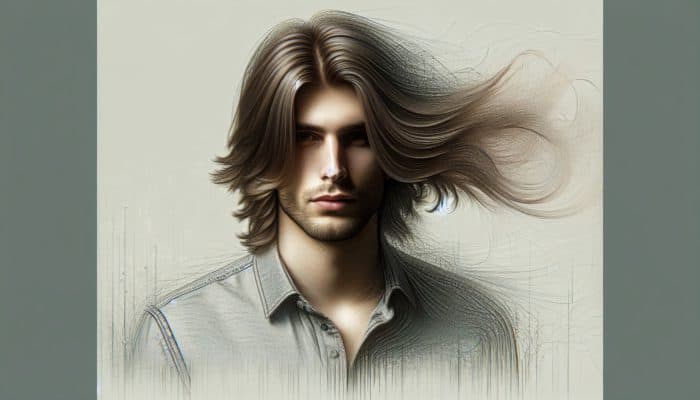
Long layers represent a contemporary hairstyling technique that showcases a range of hair lengths, creating a dynamic layered appearance that significantly enhances both volume and movement in men’s hairstyles. This specific cutting method is notably adaptable, making it suitable for an array of <a href="https://limitsofstrategy.com/hair-types-unlocking-better-treatment-solutions/">hair types</a> and lengths. The outcome is an extensive selection of styling options customised to meet individual preferences and diverse occasions.
Key characteristics of long layers consist of:
- A subtle variation in length that promotes natural movement.
- Enhanced depth and texture, particularly beneficial for those with thicker hair.
- Versatility with various hairstyles, ranging from relaxed looks to elegant styles.
- Simplicity in styling, reducing the reliance on numerous hair products.
- Softening of prominent facial features, resulting in a balanced and aesthetically pleasing look.
The layering technique is meticulously designed to introduce dimension while enabling a casual and effortless appearance that resonates with a variety of personalities and lifestyles, making it a highly favoured choice for many contemporary men.
Exploring the Advantages of Long Layers for Men’s Hair
The appeal of long layers in men’s haircuts goes far beyond mere aesthetics. This hairstyle not only highlights facial features but also offers a multitude of practical advantages that contribute to its widespread acclaim across different demographics.
The primary benefits of opting for long layers include:
- Framing the face, effectively drawing attention to essential features.
- Greater versatility in styling, enabling a broad spectrum of looks.
- Lower maintenance compared to more intricate hairstyles.
- Enhanced texture and volume, particularly advantageous for finer hair types.
- A timeless aesthetic that resonates with men of all ages and styles.
Long layers achieve a perfect equilibrium between visual allure and practicality, making them an outstanding selection for the modern man who values both style and convenience in grooming.
Identifying Who Benefits Most from Long Layers
One standout feature of long layers is their remarkable adaptability; they can be tailored to suit various hair types and face shapes. This flexibility makes them an exceptional choice for numerous men seeking to refresh their style while showcasing their individuality.
Hair types especially suited for long layers include:
- Straight hair, which gains essential movement.
- Wavy hair, which enhances its natural texture while maintaining its shape.
- Curly hair, allowing curls to bounce freely while retaining structure.
- Thick hair, which becomes manageable with the correct layering method.
Moreover, long layers complement a variety of face shapes, including:
- Oval faces, providing symmetry and balance.
- Square faces, softening angular features for a more refined appearance.
- Round faces, adding height and dimension to the overall look.
- Rectangular faces, creating an illusion of proportion.
Ultimately, long layers offer a contemporary and youthful aesthetic that appeals to a vast audience, ensuring that almost anyone can confidently adopt this stylish choice.
Expert Insights for Perfecting Long Layers in Men’s Hairstyles
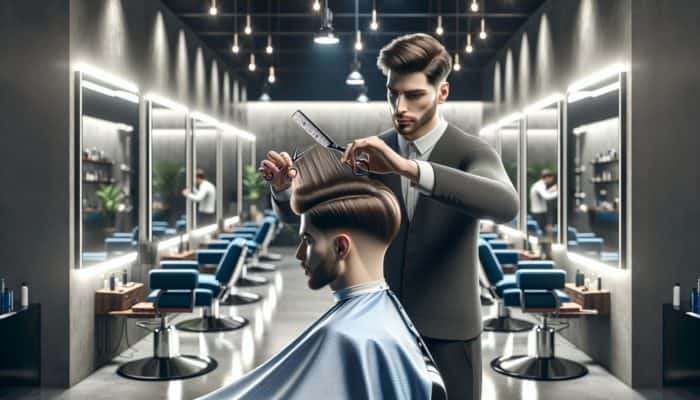
How Professionals Skillfully Craft Long Layers?
When it comes to creating long layers, professional hairstylists implement a thorough approach that considers several crucial factors, such as the client’s face shape, hair texture, and personal preferences. The goal is to produce a harmonious and flattering hairstyle tailored specifically to each individual.
To effectively execute long layers, consider these actionable steps:
- Start with a comprehensive consultation to understand the client’s vision and expectations.
- Assess the hair type and texture prior to beginning the cutting process.
- Determine the desired length for the longest layer and the working layers.
- Section the hair into manageable parts to ensure precision during the cut.
- Employ techniques such as point cutting or slide cutting to enhance texture and dimension.
- Regularly check for balance and make adjustments as necessary throughout the procedure.
- Finish with a thorough blending technique to ensure seamless transitions between layers.
This systematic approach not only improves the final result but also nurtures trust and communication between the stylist and the client, leading to a fulfilling and personalised haircut experience.
Essential Tools Used by Stylists for Long Layers
Achieving precision in long layers requires having the appropriate tools on hand. Experienced stylists depend on a variety of instruments, each selected for its ability to deliver the desired texture and overall aesthetic.
Key tools for effectively executing long layers encompass:
- Sharp scissors for precise cutting of each layer.
- Razors for softening edges and introducing texture.
- Thinning shears to reduce bulk while maintaining essential volume.
- Combs for sectioning and detangling hair prior to cutting.
- Clippers for short sections or blending edges as needed.
The choice of tools significantly influences the haircut’s outcome. For instance, using razors can produce softer, more textured layers, while sharp scissors are perfect for clean lines and structured cuts. Skilled stylists adjust their tool selection based on hair type, desired finish, and individual client goals, ensuring a customised and professional result.
Techniques Employed by Experts for Flawless Long Layers
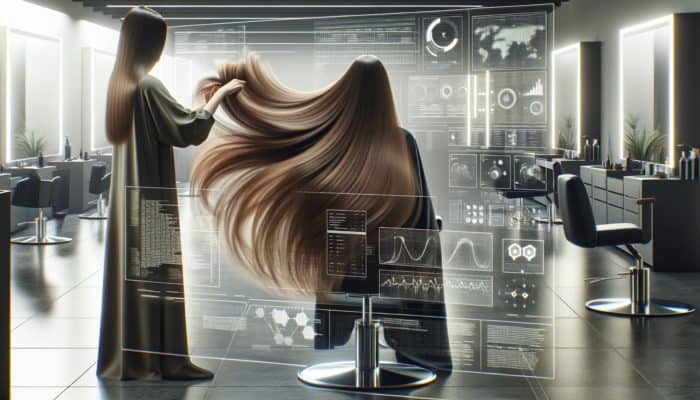
To create smooth and seamless long layers, skilled stylists employ a variety of cutting techniques that promote both volume and flow. Mastering these methods is essential for executing a successful layered haircut that meets client expectations and enhances the overall aesthetic.
Common techniques utilised by professionals include:
- Point cutting, which softens the ends while adding necessary texture.
- Slide cutting, which blends layers together for a natural appearance.
- Texturizing, allowing for movement and volume without sacrificing length.
- Over-direction, which creates the illusion of longer layers within the style.
In practice, these techniques shine through. For example, during a session, a stylist might begin by point cutting the lower layers to minimise weight. They would then apply slide cutting techniques through the mid-lengths to secure a smooth transition. Such expert applications not only elevate the appearance of the layers but also significantly enhance manageability and styling options for the client.
Preparing for Your Long Layers Haircut Effectively
Choosing the Right Hairstylist for Long Layers
Selecting the ideal hairstylist is crucial for achieving remarkable long layers. A qualified stylist can greatly influence the result, ensuring that the desired look is attained while considering individual hair characteristics.
To evaluate a stylist’s expertise in long layers, consider the following strategies:
- Review their portfolio for examples of layered haircuts they have executed.
- Seek recommendations from friends or consult online reviews.
- Confirm whether they specialise in men’s haircuts, particularly in layered styles.
- Arranging a preliminary consultation to discuss their experience and your expectations.
A successful relationship with your stylist hinges on clear communication regarding your desired outcome and their comprehension of your specific hair type. A stylist who exhibits confidence and expertise can assist you in achieving the perfect long layers, customising the haircut to complement your unique features and style preferences.
Topics to Discuss Before Your Haircut
Engaging in a thorough pre-cut consultation can significantly enhance the likelihood of a satisfying haircut. Before settling into the stylist’s chair, it’s essential to discuss your expectations and any specific requirements you may have.
Key topics to cover during a pre-cut consultation include:
- Your desired length for the longest layer and any specific styles you admire.
- The level of maintenance you are prepared to commit to after the haircut.
- Previous haircut experiences and which aspects you liked or disliked.
- Consideration of your daily routine and the time you typically allocate to styling.
Effectively communicating these details enables the stylist to tailor the session to your needs, ensuring that the cut aligns with your lifestyle and personal aesthetic. Establishing a clear understanding before the cut begins allows both you and the stylist to collaborate closely, achieving a result that meets or exceeds your expectations.
Preparing Your Hair for the Long Layers Appointment
Properly preparing your hair before a long layers haircut can greatly impact the ease and success of the cutting process. Hair that is either excessively clean or burdened with products can impede a stylist’s ability to attain the desired results.
To prepare your hair effectively, adhere to these guidelines:
- Wash your hair a day prior to your appointment to avoid overly clean strands that can be difficult to cut.
- Refrain from using heavy styling products that could interfere with the cutting process.
- Arrive with dry hair, as wet hair can obscure the hair’s natural texture.
- Brush through your hair to eliminate any tangles, ensuring a smooth cutting experience.
By undertaking these preparatory steps, your stylist will be able to work with your hair in its most natural state, facilitating a more accurate cut and improved overall results. A well-prepared mane allows the stylist to observe how the hair will fall, enabling them to craft layers that beautifully complement your features.
Essential Tools for Achieving Long Layers
Utilising the appropriate tools is paramount for executing a flawless long layers haircut, as they directly influence the precision and finish of the cut. Skilled stylists come equipped with premium instruments that enable them to work efficiently and effectively.
Essential tools required for achieving a long layers haircut include:
- Sharp scissors for smooth and clean cuts throughout the hair.
- A fine-toothed comb for efficient sectioning and detangling.
- Thinning shears for adding texture and reducing bulk without sacrificing volume.
- Hair clips for securing sections while cutting.
- A spray bottle for lightly misting hair if it becomes too dry during the process.
Utilising high-quality tools ensures that each section of hair is cut with precision, promoting a seamless finish to the layers. The right instruments enhance the stylist’s ability to achieve a tailored haircut that meets the client’s expectations, resulting in a standout look.
Maintaining Long Layers After Your Haircut
Preserving the integrity and style of long layers following your haircut is essential for keeping their aesthetic appeal and overall health. Adopting an appropriate hair care routine can significantly contribute to maintaining your layers looking fresh and vibrant.
To effectively maintain your long layers, consider these practices:
- Utilise lightweight hair products to prevent weighing down the layers and losing their shape.
- Schedule regular trims every 6-8 weeks to keep split ends at bay and maintain the style.
- Avoid excessive heat styling to safeguard hair health and texture.
- Incorporate deep conditioning treatments to keep hair nourished and hydrated.
By adhering to these maintenance tips, you can ensure that your long layers continue to deliver the desired look and feel. A consistent care routine not only keeps your layers defined but also contributes to the overall health and vitality of your hair, ensuring it remains in optimal condition.
The Comprehensive Process for Executing Long Layers
Effectively Sectioning Hair for Long Layers
Proper sectioning is crucial for executing even long layers, ensuring that the stylist maintains control and precision throughout the cutting process. Incorrect sectioning can result in uneven cuts, ultimately disrupting the overall aesthetic of the hairstyle.
To achieve effective sectioning, follow these steps:
- Begin by parting the hair down the middle or to one side, depending on the desired final look.
- Divide the hair into manageable sections, typically working from the crown to the nape of the neck.
- Secure each section with clips to keep them out of the way while cutting, ensuring focus.
- Ensure that each section is even and consistently sized for the most accurate results.
Meticulous sectioning prepares the stylist for a precise cut, allowing them to concentrate on each layer without interruption. This foundational step establishes the groundwork for achieving uniformity and balance in the final layered look, enhancing the overall visual flow of the hairstyle.
Optimal Cutting Techniques for Long Layers
The cutting techniques employed during a long layers haircut are pivotal for achieving the desired texture and flow. Skilled stylists utilise various methods to ensure that each layer blends seamlessly into the next, resulting in an effortlessly styled appearance.
The most effective cutting techniques for long layers include:
- Point cutting, which creates a softer edge and adds essential texture.
- Slide cutting, which is ideal for blending layers together with a natural flow.
- Over-direction, which enhances the perception of length in layered hairstyles.
- Angle cutting, which shapes layers to frame the face effectively and attractively.
When executing these techniques, it is advisable to start with the bottom layers first. This foundational approach allows the stylist to build progressively, ensuring that each layer is cut to the desired length before moving on to upper layers. Regularly checking the cut for balance and overall aesthetic ensures that the final result aligns with the client’s expectations, creating a polished and cohesive look.
Finishing and Blending Long Layers Seamlessly
Finishing touches and blending are essential steps in the long layers haircut process, ensuring that the layers transition smoothly from one to the next. This stage allows the stylist to refine the cut and enhance its overall appearance.
To ensure a seamless finish with long layers, consider these methods:
- Use a razor or thinning shears to blend the edges, softening the transition between layers for a natural look.
- Check for balance and symmetry, making adjustments where necessary to achieve uniformity.
- Comb through the hair to ensure smoothness and evenness in the cut.
- Consult with the client regarding any areas they feel could benefit from further refinement.
Finishing touches not only enhance the visual appeal of the haircut but also contribute to its practicality. A well-blended cut is easier to style and manage, allowing for greater flexibility in the client’s daily routine. By focusing on the final details, the stylist ensures that the long layers truly shine, reflecting both skill and artistry.
The Importance of Elevating Hair for Precision in Cutting
For precision in cutting long layers, elevating the hair at the correct angle is vital. This technique aids stylists in achieving a consistent length throughout the hair, enhancing the overall look. Elevating the hair also allows for the desired volume while ensuring that the layers are evenly distributed and well-formed.
To effectively elevate the hair for precision, follow these steps:
- Lift each section of hair to the desired angle before cutting to achieve the best results.
- Utilise a mirror to assess the angle and ensure it aligns with the client’s face shape.
- Cut at a slight angle to create natural movement and flow within the layers.
- Regularly check for balance between each section as you progress through the cut.
This method enhances the control a stylist has over the cut, allowing them to tailor the layers specifically to the client’s features and preferences. Consistent elevation creates a harmonious look that flows well, ensuring that the layers effectively complement one another.
Reviewing and Refining the Layers for a Flawless Finish
Once the initial cutting is complete, checking and refining the layers is essential for achieving a polished and uniform appearance. This thorough review allows the stylist to make any necessary adjustments to ensure that the cut aligns with the client’s vision.
To effectively check and refine the layers, consider these steps:
- Comb through the hair to examine for any uneven layers or inconsistencies that may need addressing.
- Focus on refining the edges of the layers with scissors for added precision and neatness.
- Assess the overall length, ensuring that it matches the desired cut and meets client expectations.
- Engage the client in the process by asking for their feedback on any areas that may need adjustments.
This final refinement process not only enhances the overall quality of the haircut but also reinforces the relationship between the stylist and client. Open communication during this stage ensures satisfaction and helps to create a long-lasting, flattering style that meets the client’s expectations.
Research-Backed Benefits of Long Layers in Men’s Hair
Enhancing Facial Features with Long Layers
Research suggests that long layers can significantly enhance facial features, fostering balance and harmony in the overall appearance. This effect is particularly beneficial for men with angular or square-shaped faces, as softening harsh lines can markedly improve the overall aesthetic.
The enhancement of facial features through long layers occurs in several ways:
- Framing the face and drawing attention to key features such as the eyes and jawline.
- Softening facial angles, providing a more approachable and youthful look.
- Creating an illusion of length in shorter faces, contributing to better proportions.
- Adding movement that directs focus towards the eyes and cheekbones, enhancing their prominence.
This strategic use of long layers allows men to highlight their best features while downplaying less flattering aspects. The result is a refined appearance that boosts confidence and style, enabling men to feel more self-assured in their grooming choices.
Positive Effects of Long Layers on Hair Health
Long layers not only enhance the visual aspect of hair but can also positively impact its health. Research indicates that layering can mitigate split ends and breakage by facilitating a more even distribution of natural oils along the hair shaft.
Key impacts of long layers on hair health include:
- Reduction of split ends due to decreased weight on the lower sections of hair, promoting overall health.
- Improved circulation of natural oils that nourish and protect the hair.
- Greater manageability, lessening the need for harsh styling practices that can harm hair.
- Increased airflow, leading to healthier scalp conditions and reduced irritation.
Real-world examples of improved hair health with long layers can be observed in men transitioning from blunt cuts to layered styles. Many report fewer instances of breakage and enhanced overall hair texture, showcasing the practical benefits of this cutting technique for maintaining a healthy mane.
Impact of Long Layers on Styling Time
Long layers have been shown to positively influence styling time, with many men reporting reduced time spent on their hair after adopting this style. The natural flow and volume associated with long layers often facilitate quicker and more efficient styling.
To maximise styling efficiency with long layers, consider these strategies:
- Utilise lightweight products that enhance texture without weighing the hair down.
- Embrace the hair’s natural texture, significantly reducing the need for heat styling.
- Learn quick styling techniques, such as tousling with fingers or utilising rapid blow-drying methods.
- Incorporate styling tools that facilitate fast application, such as sea salt sprays or light mousses.
By implementing these strategies, men can achieve a well-styled appearance in a fraction of the time compared to heavier, more complex styles. This efficiency aligns perfectly with the fast-paced lifestyle of many modern men, making long layers a pragmatic option for effortless yet polished grooming.
Long Layers and Their Influence on Perceived Age
Research has demonstrated that long layers can contribute to a more youthful appearance by adding volume and movement to the hair. As men age, hair often becomes finer and less voluminous, making long layers a strategic choice for counteracting these changes.
The influence of long layers on perceived age is evident in several ways:
- Addition of volume that softens the appearance of fine or thinning hair, providing a fuller look.
- Movement that draws attention away from facial lines and wrinkles, promoting a youthful image.
- Ability to style hair in a youthful manner, contributing to a more vibrant and lively image.
- Framing the face in a flattering way that enhances youthful features, helping to rejuvenate the overall look.
By embracing long layers, men can effectively combat signs of aging, presenting a fresher, more dynamic image to the world. This style not only revitalises their appearance but also boosts confidence in personal grooming choices.
Styling Long Layers for the Perfect Look in Men’s Hair
Best Products for Styling Long Layers
Selecting the appropriate products is crucial for effectively styling long layers, as unsuitable formulations can weigh down the hair and undermine the layered effect. Lightweight products are typically favoured as they enhance texture without compromising the style’s integrity.
The top products for long layers include:
- Pomades for controlling and defining styles without excessive weight.
- Waxes for adding texture and providing a flexible hold.
- Sea salt sprays for creating a beachy, tousled look with added volume.
- Lightweight gels for subtle definition without heaviness or stickiness.
For those with varying hair types, product selection may differ. Men with thicker hair might find that a strong pomade works best for control, while those with finer hair may prefer a sea salt spray to boost volume without adding weight. Understanding your hair type and desired look will guide you in selecting the most effective styling products for optimal results.
Styling Long Layers for Various Occasions
The versatility of long layers allows for numerous styling options that can suit both casual and professional settings. Mastering a few key techniques can assist men in transitioning their looks effortlessly from day to night or from work to play.
For styling long layers across different occasions, consider the following tips:
- For a professional appearance, use a matte pomade to achieve a polished and refined style that looks sophisticated.
- For casual outings, apply a sea salt spray for a relaxed, beachy vibe that exudes effortless charm.
- Experiment with different partings to easily change the overall look and feel of your hairstyle.
- Consider using a blow dryer with a diffuser to enhance natural texture and volume.
These techniques not only permit flexibility in styling but also empower men to express their personalities through their hairstyles. By adapting the styling approach to fit various circumstances, men can confidently showcase their long layers in any setting, whether casual or formal.
Maintaining Long Layers Between Haircuts
To keep long layers looking fresh and vibrant, regular maintenance is essential. Scheduling trims every 6-8 weeks plays a crucial role in ensuring layers retain their shape and fullness while preventing split ends from developing and becoming unsightly.
Consider these practices for maintaining long layers between cuts:
- Schedule regular trims to keep layers looking sharp and defined, preventing any loss of shape.
- Utilise a wide-tooth comb to detangle without causing breakage or damage to the layers.
- Avoid heavy products that could weigh down the layers and affect their natural flow.
- Incorporate a consistent hair care routine that includes conditioning treatments to keep hair hydrated and healthy.
By following these maintenance strategies, men can ensure that their long layers remain healthy and visually appealing. A commitment to care will prolong the lifespan of the haircut, allowing it to maintain its best appearance over time.
Avoiding Common Mistakes with Long Layers
Common Cutting Errors to Avoid
Cutting long layers necessitates precision and a keen eye for detail. However, several common cutting errors can arise if the stylist is not attentive, potentially leading to an unbalanced or unattractive result that falls short of the client’s expectations.
Common cutting errors include:
- Uneven layers, which disrupt the overall harmony of the haircut and can be visually unappealing.
- Over-layering, causing a lack of volume and fullness that can make hair appear flat.
- Failure to consider the hair’s natural texture, resulting in an unflattering cut that does not suit the client.
- Ignoring client feedback during the cutting process, which can lead to dissatisfaction.
Signs of a poorly executed long layers haircut may encompass visible unevenness, excessive layering, or a cut that does not resonate with the client’s personal style. Recognising these potential pitfalls can assist both stylists and clients in collaborating for a more successful outcome.
Avoiding Common Styling Mistakes
Styling long layers can be a rewarding experience, but certain pitfalls can detract from the overall look. Avoiding common mistakes can ensure that the layers maintain their intended effect and aesthetic appeal while remaining manageable.
Common styling mistakes to be aware of with long layers include:
- Overuse of product, which can make the hair appear greasy or weighed down, ruining the layered effect.
- Excessive heat styling, which can harm the hair and compromise the natural flow and texture.
- Neglecting the hair’s natural texture, leading to frustration in styling and a lack of cohesion.
- Inconsistent maintenance, which can result in split ends and loss of shape, diminishing the haircut’s overall quality.
By being mindful of these issues, men can optimise their styling routine for long layers, ensuring that they look their best while maintaining the health of their hair.
Steps to Take If You’re Dissatisfied with the Result
If you find yourself unhappy with the outcome of your long layers haircut, it’s vital to communicate openly with your stylist. They are trained to make adjustments and can often resolve issues that may arise after the cut.
Steps to take if you’re dissatisfied include:
- Politely express your concerns to your stylist as soon as possible to address the issue promptly.
- Request adjustments or refinements to the layers if necessary, to better align with your desired look.
- Discuss how the cut can be styled differently to better suit your preferences, exploring alternative options.
- Consider scheduling a follow-up appointment for further adjustments to achieve the desired outcome.
An open dialogue between client and stylist is essential for achieving the desired results. Most stylists value feedback and are willing to collaborate with clients to ensure satisfaction and success with their haircut.
Preventing Regrets After Layering
To prevent regrets after receiving long layers, thorough communication and preparation are key. Establishing a clear understanding with the stylist before the cut can help mitigate potential dissatisfaction and ensure alignment with your vision.
Best practices for avoiding layering regrets include:
- Engage in a consultation with the stylist to discuss desired looks and styles you admire.
- Be transparent about your hair type and personal styling preferences to help guide the process.
- Ask for their professional opinion on the suitability of the style, considering your features.
- Schedule regular trims to maintain the shape and health of your layers, ensuring longevity.
By taking these proactive measures, you can contribute to a more satisfying outcome, fostering a positive experience with long layers that meets your expectations.
Signs of Over-Layering
Over-layering can lead to an unflattering aesthetic, negatively affecting both the appearance and overall health of the hair. Recognising the signs of over-layering can help you and your stylist address the situation promptly before it escalates.
Signs of over-layering include:
- A thin, stringy appearance, particularly at the ends, which can detract from the hairstyle.
- Excessive layers, leading to a lack of volume and fullness, causing hair to appear flat.
- Difficulty in styling due to excessive texturing, making it challenging to achieve the desired look.
- A lack of movement, resulting in hair that appears flat and uninspired.
If you notice these signs, it may be worthwhile discussing a potential adjustment with your stylist. Addressing over-layering can help restore balance and vitality to the haircut, ensuring it meets your aesthetic desires and preferences.
Frequently Asked Questions About Long Layers
What Are Long Layers in Men’s Haircuts?
Long layers in men’s hair refer to varying lengths cut throughout the hair, creating a textured and voluminous look. This style adds crucial movement and is suitable for a variety of hair types and lengths.
Can Anyone Wear Long Layers?
Yes, long layers can suit various face shapes and hair types, including straight, wavy, and curly hair. They provide a modern and youthful appearance for men of all ages, making them a versatile choice.
How Often Should I Get My Long Layers Trimmed?
To maintain the shape and health of long layers, regular trims every 6-8 weeks are recommended. This frequency helps prevent split ends and keeps the style looking fresh and defined.
What Products Are Best for Styling Long Layers?
Lightweight products such as pomades, waxes, and sea salt sprays work best for long layers, enhancing texture and volume without weighing the hair down or compromising the layered effect.
How Can I Prepare My Hair for a Long Layers Haircut?
Prepare your hair by washing it a day before the appointment, avoiding heavy products, and arriving with dry hair. This allows for a cleaner cutting experience and ensures the stylist can see the hair’s natural texture.
What Are Some Common Mistakes When Cutting Long Layers?
Common mistakes include uneven layers, excessive layering, and neglecting the hair’s natural texture, which can lead to an unbalanced and unflattering cut that does not suit the client.
How Can I Avoid Styling Pitfalls with Long Layers?
To avoid styling pitfalls, refrain from overusing products and avoid excessive heat styling. Embrace your hair’s natural texture for a more effortless and manageable look.
What Should I Do If I’m Not Happy with My Long Layers?
If you’re dissatisfied with your long layers, communicate your concerns to your stylist immediately. They can help adjust the cut to better suit your preferences and expectations.
How Can I Maintain Long Layers Between Haircuts?
Maintain long layers by scheduling regular trims, utilising lightweight products, and following a proper hair care routine to keep the layers healthy and defined over time.
What Are the Signs of Over-Layering?
Signs of over-layering include a thin, stringy appearance, excessive layers at the ends, and difficulty styling, which may indicate a need for adjustment to restore balance.
Connect with us on Facebook!
The Article: Executing Long Layers in Men’s Hair: Techniques and Tips appeared first on Amitys Hair Salon.
The Article Long Layers in Men’s Hair: Techniques and Tips for Success Was Found On https://limitsofstrategy.com