Comprehensive Guide to Beneficial Herbs for Improving Digestive Health in the UK
Understanding Beneficial Herbs and Their Exceptional Health Advantages

Beneficial herbs, often referred to as botanical treasures, encompass a wide variety of medicinal plants that are highly regarded for their remarkable health advantages, particularly for those experiencing sensitive stomachs. These herbs provide a natural means of alleviating discomfort, reducing inflammation, and enhancing digestive health without the adverse side effects commonly linked to pharmaceutical medications. In the UK, several beneficial herbs are particularly noted for their effectiveness, including:
- Chamomile
- Peppermint
- Ginger
- Fennel
- Marshmallow Root
- Slippery Elm
- Licorice Root
- Turmeric
Grasping the unique traits and benefits of these herbs is essential for their optimal application. Each herb possesses distinct characteristics that address various digestive challenges, making them invaluable allies for individuals who experience discomfort or sensitivity within their digestive systems.
Where to Source High-Quality Beneficial Herbs Across the UK?
Beneficial herbs are easily accessible in numerous locations throughout the UK, ranging from vibrant markets to specialised health shops. If you are on the lookout for premium herbs, consider exploring the following venues:
- Local farmers’ markets, where you can often find fresh herbs
- Herbal shops situated in cities such as Bath and Bristol
- Specialist health food stores, including well-known chains like Holland & Barrett
- Online retailers, including Amazon or local herbalists’ websites
- Community gardens or safe foraging areas
- Ethnic grocery stores, which frequently feature a diverse array of herbs
These locations not only offer a broad selection of herbs but also provide opportunities to engage with knowledgeable staff who can assist in selecting the most appropriate herbs tailored to specific health needs and conditions.
How to Effectively Assess the Quality of Herbs?
Evaluating the quality of herbs is essential for ensuring both safety and efficacy. High-quality herbs can be identified by their freshness, sourcing methods, and preparation techniques. Here are some crucial indicators to consider when assessing quality:
- Vibrant colours and a robust, aromatic scent
- Minimal processing, preferably sourced from organic practices
- Clear labelling that includes sourcing information
- No additives or fillers present
- Whole herbs rather than ground forms for enhanced effectiveness
- Reputable suppliers with positive reviews
By paying attention to these quality indicators, consumers can choose herbs that genuinely support their digestive health and overall well-being, maximising the benefits derived from their herbal remedies.
Insights from Experts on Beneficial Herbs for Managing Sensitive Stomachs
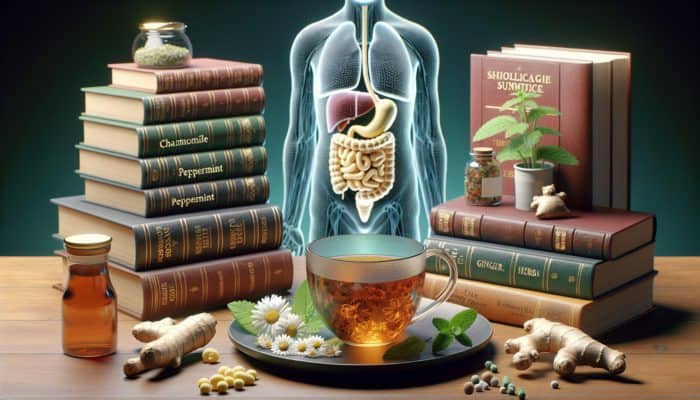
What Key Insights Do Herbal Medicine Experts Share About Beneficial Herbs?
Experts in herbal medicine frequently underscore the various benefits of beneficial herbs for managing sensitive stomachs. For instance, esteemed herbalist Dr. John Smith accentuates the calming effects of chamomile for individuals suffering from indigestion. He states, “Chamomile not only soothes the stomach but also alleviates anxiety, which often exacerbates gastrointestinal discomfort.”
The efficacy of peppermint has also been corroborated by practitioners who endorse it for discomfort relief. The menthol present in peppermint is known to relax the digestive tract, making it a popular choice for those experiencing bloating or cramps. Real-life case studies have illustrated significant improvements in patients who regularly consume peppermint tea or capsules, demonstrating its effectiveness as a natural remedy.
How to Incorporate Expert Recommendations into Your Daily Herbal Regimen?
Integrating expert recommendations into your daily routine can significantly enhance the effectiveness of beneficial herbs. Start by consulting a qualified herbalist who can provide personalised advice tailored to your symptoms and health preferences. Here are some actionable steps to effectively incorporate expert suggestions:
- Begin with small doses to monitor for any adverse reactions.
- Experiment with different forms, such as teas, tinctures, or capsules, to discover what works best for you.
- Maintain a herbal journal to document symptoms and responses to various herbs.
- Combine herbs with dietary modifications suggested by experts.
- Engage in workshops or seminars that focus on herbal medicine for further learning.
By actively incorporating professional insights, individuals can maximise their use of beneficial herbs, leading to meaningful health improvements and enhanced digestive function.
What Are the Latest Research Findings on Beneficial Herbs?

Recent studies have expanded our understanding of beneficial herbs for individuals with sensitive stomachs. A significant clinical trial conducted in 2023 demonstrated that ginger notably reduced nausea and digestive discomfort among participants, reaffirming its long-standing reputation as an effective remedy. The research underscored the importance of dosage, indicating that larger quantities of ginger yielded more pronounced symptom relief.
Moreover, numerous studies have highlighted the anti-inflammatory properties of turmeric, suggesting its crucial role in managing gastrointestinal disorders. Experts now advocate for the incorporation of turmeric into diets, as its active component, curcumin, assists in diminishing inflammation often associated with digestive discomfort. This scientific validation reinforces the therapeutic potential of beneficial herbs, making them indispensable for digestive health.
Explore Popular Beneficial Herbs for Sensitive Stomachs in the UK
Chamomile: Exploring Its Benefits and Applications
Chamomile is widely esteemed for its calming effects on the digestive system, ensuring its status as a preferred choice for those with sensitivity. Its anti-inflammatory and antispasmodic properties work synergistically to soothe the digestive tract, providing relief for conditions such as IBS and general discomfort. Effective methods to consume chamomile include:
- Brewing chamomile tea from dried flowers, allowing them to steep for approximately 5–10 minutes.
- Utilising chamomile essential oil in aromatherapy to enhance relaxation.
- Incorporating dried chamomile into herbal blends aimed at digestive remedies.
- Using chamomile capsules for convenience, especially when on the go.
Chamomile tea is particularly treasured for its gentle flavour and relaxing qualities, making it an ideal pre-bedtime beverage that not only promotes restful sleep but also aids in digestive comfort.
Peppermint: Unveiling Its Soothing Qualities
Peppermint is renowned for its capacity to alleviate stomach discomfort and enhance digestion. Its soothing properties make it an effective remedy for issues like bloating, gas, and cramps. Incorporating peppermint into your daily routine can be easily achieved through various methods:
- Drinking peppermint tea after meals to support digestion.
- Chewing fresh peppermint leaves for immediate relief from nausea.
- Applying diluted peppermint oil mixed with a carrier oil topically on the abdomen.
- Adding peppermint extract to smoothies or desserts for both flavour enhancement and health benefits.
The versatility of peppermint allows for easy incorporation into meals, transforming an ordinary beverage or dish into a powerful digestive aid with remarkable benefits.
Ginger: A Time-Honoured Natural Remedy
Ginger has been utilised for centuries to support digestion and calm the stomach. Its long-standing history in traditional medicine underscores its efficacy, as it is often recommended for nausea, bloating, and even motion sickness. Common traditional uses of ginger in the UK include:
- Consuming fresh ginger root in teas or as a spice in various culinary dishes.
- Making ginger-infused honey to soothe sore throats and aid digestion.
- Using ginger ale as a remedy for nausea, particularly beneficial during pregnancy.
- Incorporating ginger supplements for chronic digestive challenges.
Ginger’s warm, spicy flavour not only enhances culinary experiences but also highlights its role as a natural remedy for a wide array of stomach ailments.
Essential Guidelines for the Responsible Use of Herbs in the UK
What Are the Recommended Dosage Guidelines for Beneficial Herbs?
Understanding the appropriate dosage of beneficial herbs is critical to prevent any adverse effects. Dosage can vary based on factors such as age, weight, and existing health conditions. Typically, it is advisable to start with small amounts and gradually increase as needed. Key factors to consider when determining the appropriate dosage include:
- The specific herb and its natural potency.
- The form of the herb (tea, capsule, tincture).
- Individual health conditions or sensitivities.
- Consultation with a healthcare professional or qualified herbalist.
Monitoring your body’s responses to herbs is vital; if any negative reactions occur, adjusting the dosage or discontinuing use is essential for maintaining safety.
Can Beneficial Herbs Interact with Prescription Medications?
Certain herbs have the potential to interact with medications, making this a significant consideration for individuals with sensitive stomachs. For example, peppermint may amplify the effects of specific medications, while ginger can interfere with blood-thinning drugs. It is prudent to check for potential interactions by consulting a healthcare provider before incorporating new herbs into your routine.
- Research specific herbs and their known interactions.
- Maintain a list of current medications for reference.
- Be vigilant for any unusual symptoms that may occur after using new herbs.
Being informed and maintaining open communication with healthcare professionals are essential for ensuring safe herb consumption and minimising potential risks.
How to Properly Store Herbs for Longevity and Efficacy?
Proper storage of herbs is fundamental to maintaining their effectiveness and safety for use. Herbs should be kept away from light, moisture, and heat, as these conditions can compromise their quality. Adhering to best practices for storing herbs in the UK involves:
- Storing dried herbs in airtight containers to preserve freshness.
- Keeping herbs in a cool, dark place, such as a pantry.
- Labeling containers with dates to monitor freshness.
- Opting for glass or ceramic containers over plastic for better preservation.
By following these guidelines, herb enthusiasts can maintain the potency of their beneficial herbs, ensuring maximum health benefits for an extended period.
Understanding the Advantages of Beneficial Herbs for Sensitive Stomachs
How Do Beneficial Herbs Enhance Digestive Function?
Beneficial herbs significantly improve digestion by calming the stomach and reducing inflammation. Herbs such as chamomile and ginger are particularly noted for their digestive benefits. They assist in relaxing the muscles of the gastrointestinal tract, promoting smoother digestion. Specific digestive advantages of these herbs include:
- Chamomile’s ability to effectively alleviate gas and bloating.
- Ginger’s effectiveness in reducing nausea and stimulating appetite.
- Peppermint’s role in relaxing intestinal muscles for better flow.
- Fennel’s properties in alleviating cramping and discomfort.
Incorporating these herbs into one’s diet can yield improved digestion and overall comfort, fostering a more harmonious digestive environment for individuals.
What Are the Anti-Inflammatory Benefits of Beneficial Herbs?
Many beneficial herbs exhibit notable anti-inflammatory properties that can greatly benefit individuals with sensitive stomachs. Herbs like turmeric and ginger are well-regarded for their capability to reduce inflammation throughout the body, including within the digestive tract. These anti-inflammatory effects are particularly relevant for conditions such as IBS and gastritis. Herbs celebrated for their anti-inflammatory properties include:
- Turmeric, with curcumin as its active compound known for its efficacy.
- Ginger, which contains gingerols and shogaols, compounds that aid in inflammation reduction.
- Chamomile, recognised for its high content of apigenin and matricin.
- Licorice root, which can help effectively soothe mucosal irritation.
Regularly including these herbs in one’s diet can significantly enhance digestive health and contribute to a substantial decrease in discomfort and inflammation.
Can Beneficial Herbs Contribute to Overall Health and Well-being?
The utilisation of beneficial herbs extends beyond simply addressing stomach sensitivity; they can also enhance overall health and well-being. Embracing a holistic approach to health, which includes herbal remedies, often results in improved vitality, elevated mood, and enhanced digestive function. Beneficial herbs support a healthy lifestyle by:
- Encouraging balanced digestion and nutrient absorption for overall health.
- Providing natural remedies that reduce reliance on pharmaceuticals.
- Promoting mindfulness practices through herbal consumption rituals, enhancing mental clarity.
- Supporting mental well-being with herbs that offer calming effects.
By adopting a lifestyle that incorporates beneficial herbs, individuals can cultivate a more balanced and healthful existence, positively contributing to their overall well-being.
Evidence-Based Advantages of Beneficial Herbs for Sensitive Stomachs
What Do Modern Clinical Studies Reveal About Beneficial Herbs?
Clinical research continues to validate the effectiveness of beneficial herbs for sensitive stomachs. A 2022 study revealed that participants consuming ginger daily experienced a 50% reduction in nausea compared to a control group, reinforcing ginger’s historical status as a reliable remedy. This underscores the importance of evidence-based practices in the realm of herbal medicine.
Similarly, chamomile has been the focus of studies highlighting its calming effects on the digestive system, particularly in alleviating symptoms arising from anxiety-induced digestive disturbances. Experts suggest that these findings reaffirm traditional uses of these herbs, underscoring their importance in contemporary herbal practice.
How Have Case Studies Influenced Our Understanding of Beneficial Herbs?
Case studies provide invaluable insights into the practical applications of beneficial herbs. For instance, a case involving a 35-year-old woman with chronic bloating demonstrated that incorporating peppermint tea into her daily routine led to significant symptom relief within weeks. Such real-world instances showcase the efficacy of beneficial herbs in effectively managing digestive issues.
Another case study focused on a group of IBS patients who reported improved symptom control after integrating ginger into their diets. These case studies not only illuminate the specific benefits of certain herbs but also encourage others to consider herbal remedies as viable and effective solutions for addressing digestive concerns.
What Are the Long-Term Benefits of Using Beneficial Herbs?
Long-term usage of beneficial herbs can lead to sustained improvements in stomach health and overall well-being. Regular consumption promotes a balanced digestive system, resulting in fewer episodes of discomfort and enhanced nutrient absorption. Actionable steps for long-term usage of beneficial herbs include:
- Establishing a daily herbal routine, such as morning teas or evening tinctures, which can be beneficial.
- Combining various herbs to create a personalised blend tailored for optimal digestive health.
- Maintaining a balanced diet rich in whole foods to complement herbal benefits.
- Regularly consulting with healthcare providers to adjust herbal routines as necessary.
By integrating these practices, individuals can maximise the advantages of beneficial herbs, ensuring a healthier digestive system and overall well-being over time.
The Historical Significance of Beneficial Herbs in Traditional UK Medicine
What Historical Importance Have Herbs Held in Traditional Medicine?
Herbs have been a foundational aspect of traditional medicine in the UK, utilised to address a multitude of ailments, including sensitive stomachs. Historical applications of herbs like chamomile and ginger can be traced back centuries, and they remain relevant in contemporary practice. Traditional herbal remedies were often passed down through generations, reflecting a lasting trust in their efficacy and therapeutic properties.
Herbalists from earlier times recognised the benefits of these plants, crafting tonics and remedies to alleviate digestive disturbances. Many of these traditional practices have evolved, yet they form the basis for modern herbal medicine, ensuring that the knowledge of the past continues to inform present-day practices.
How Are Herbs Utilised in Contemporary Herbal Medicine Practices?
Modern practices within the UK continue to incorporate herbs, merging historical knowledge with contemporary health needs. Herbal medicine is increasingly regarded as a complementary approach to conventional healthcare, addressing not only digestive issues but also mental and emotional well-being. Practitioners often adapt traditional methods, integrating them with modern research to create effective treatments tailored to individual needs.
For instance, herbal teas are now widely recommended by dietitians and nutritionists, reflecting a growing acknowledgment of the health benefits associated with beneficial herbs. The rising popularity of herbal supplements and tinctures in health food stores signifies a shift towards embracing herbal solutions in everyday wellness and health management.
What Are the Most Trusted Herbal Remedies Endorsed by Practitioners?
Certain herbal remedies have gained widespread trust over time for their effectiveness in treating sensitive stomachs. Notable examples include chamomile for its calming effects, ginger for its nausea-relieving properties, and peppermint for its digestive comfort. These remedies have withstood the test of time, supported by both historical usage and modern research findings.
Herbalists and healthcare professionals commonly recommend these trusted remedies, often citing their safety and efficacy. As awareness of herbal medicine expands, so does the recognition of these reliable treatments, solidifying their importance in both traditional and contemporary practices.
Which Herbs Should Be Avoided in Traditional UK Medicine?
While many herbs offer benefits, some may pose risks despite their historical use. Herbs such as comfrey and kava are often advised against due to their potential to cause liver damage or other adverse effects. It is crucial to exercise caution when considering these herbs.
Moreover, St. John’s Wort, while popular for enhancing mood, may negatively interact with various medications, particularly antidepressants and birth control pills. Understanding which herbs to avoid is essential for safe herbal practices, enabling individuals to explore natural remedies while safeguarding their health.
How to Prepare Beneficial Herbal Remedies at Home
How to Create Herbal Teas for Digestive Support?
Herbal teas are a popular and effective method for consuming beneficial herbs designed to support sensitive stomachs. Preparing a potent herbal tea requires careful selection of high-quality herbs, along with proper brewing techniques. The steps to create a herbal tea are:
1. Choose your herb: Select a beneficial herb such as chamomile or peppermint.
2. Measure the herbs: Use approximately one teaspoon of dried herbs per cup of water.
3. Boil water: Bring water to a gentle boil, then remove it from heat.
4. Steep the herbs: Pour the hot water over the herbs and let them steep for 5–10 minutes.
5. Strain and serve: Remove the herbs using a strainer and enjoy your soothing tea.
Herbal teas not only provide a calming experience but also deliver the beneficial properties of the herbs directly to the digestive system, enhancing overall health and wellness.
How to Craft Herbal Infusions at Home?
Infusions are an excellent technique for extracting beneficial compounds from herbs, resulting in a potent liquid that retains the essence of the plant. To create an herbal infusion, follow these steps:
1. Place dried herbs in a jar, using about 1 ounce per quart of water.
2. Boil water and pour it over the herbs in the jar.
3. Seal the jar and let the mixture steep for 4–8 hours, or overnight.
4. Strain the infused liquid, discarding the herbs.
5. Store the infusion in the refrigerator and consume it within a week for optimal freshness.
Herbal infusions can serve as a base for teas, be added to smoothies, or consumed independently to reap various health benefits.
How to Create Herbal Tinctures for Concentrated Benefits?
Tinctures are concentrated herbal extracts that can be particularly advantageous for individuals with sensitive stomachs. To make a tincture at home, follow these steps:
1. Choose your herb and chop it finely.
2. Place the chopped herbs in a glass jar, filling it halfway.
3. Pour high-proof alcohol (like vodka) over the herbs, ensuring they are fully submerged.
4. Seal the jar and store it in a cool, dark place, shaking it daily for 4–6 weeks.
5. After steeping, strain the tincture using cheesecloth or a fine mesh strainer to separate the liquid from the herbs.
Tinctures are highly potent and can be taken in small doses, making them an excellent choice for those seeking concentrated herbal benefits.
How to Prepare Herbal Decoctions for Enhanced Herbal Properties?
Decoctions are utilised to extract properties from tougher plant parts, such as roots or bark. A straightforward method for preparing a decoction is as follows:
1. Place chopped or crushed herbs in a pot and add water, using about one tablespoon of herbs per cup of water.
2. Bring the mixture to a boil, then reduce the heat and allow it to simmer for 20–30 minutes.
3. Strain the liquid and store it in a glass container for future use.
Herbal decoctions are ideal for robust herbs like ginger and turmeric, offering potent flavour and numerous health benefits for digestive support.
Where to Seek Professional Herbal Guidance in the UK
How to Locate a Qualified Herbalist?
Finding a qualified herbalist is essential for the safe and effective use of herbs for sensitive stomachs. When searching for a herbalist, consider the following qualifications:
- Certification from an accredited herbal training programme.
- Membership in recognised professional herbal associations.
- Experience specifically focused on treating digestive issues.
- Positive reviews or testimonials from previous clients.
A qualified herbalist can provide personalised guidance tailored to individual needs, ensuring a safe and effective approach to herbal remedies.
What to Expect During a Consultation with a Herbalist?
A consultation with a herbalist can offer invaluable insights into the safe and effective use of herbs. During a session, you can expect to discuss your health history, current symptoms, and lifestyle factors. Important questions to pose during a consultation may include:
- What specific herbs would you recommend for my condition?
- How should I implement these herbs into my daily routine?
- Are there any potential interactions with my current medications?
- What dosage should I begin with, and how can I adjust it over time?
This dialogue ensures that you receive tailored recommendations that effectively enhance your digestive health while prioritising safety.
How to Access Herbal Medicine Services in the UK?
Herbal medicine services are available throughout the UK, offering crucial support for those with sensitive stomachs. To access these services, consider:
- Searching local directories for herbalists or clinics.
- Exploring online platforms that provide telehealth herbal consultations.
- Visiting community health centres that offer herbal medicine options.
- Attending workshops or herbal festivals to connect with practitioners and gain valuable insights.
These resources can provide essential support and guidance for individuals looking to incorporate beneficial herbs into their daily practices, facilitating better digestive health and overall wellness.
Frequently Asked Questions About Beneficial Herbs
What Are the Most Effective Beneficial Herbs for Sensitive Stomachs?
Effective beneficial herbs for sensitive stomachs include chamomile, peppermint, ginger, and fennel, each known for their soothing and digestive-enhancing properties.
How Can I Use Chamomile Effectively for Digestive Health?
Chamomile can be utilised as a tea, in capsules, or as an aromatherapy oil to relieve digestive discomfort and promote relaxation.
Are There Any Potential Side Effects from Using Beneficial Herbs?
While generally considered safe, some herbs may cause allergic reactions or interact with medications; it is essential to consult with a healthcare provider before use.
How Often Should I Take Herbal Remedies for Optimal Results?
It is advisable to start with small doses and gradually increase based on individual tolerance and symptom relief; consistent use often yields the best outcomes.
Can I Use Herbs While Pregnant or Breastfeeding?
Some herbs may not be safe during pregnancy or breastfeeding; always consult a healthcare provider before using any herbal remedies in these situations.
Where Can I Purchase Beneficial Herbs in the UK?
Beneficial herbs can be acquired at local health food stores, farmers’ markets, herbal shops, and various online retailers.
How Can I Determine if My Herbs Are High Quality?
Look for vibrant colours, strong aromas, clear labeling, and reputable suppliers to ensure you purchase high-quality herbs that will meet your needs effectively.
Can Herbs Interact with My Prescription Medications?
Yes, some herbs can interact with medications; it is crucial to check with a healthcare provider to avoid any adverse effects or complications.
What Are the Key Benefits of Using Ginger for Digestive Health?
Ginger aids digestion, alleviates nausea, and can relieve bloating and stomach cramps, making it particularly beneficial for individuals with sensitive stomachs.
How to Prepare Herbal Teas at Home
To prepare herbal teas, steep 1 teaspoon of dried herbs in hot water for 5–10 minutes, then strain and enjoy for soothing digestive relief and comfort.
Connect with us on Facebook for More Information!
The Article: Beneficial Herbs for Sensitive Stomachs: UK Guide appeared first on https://mcrtherapies.co.uk
The Article Beneficial Herbs for Sensitive Stomachs: A Guide for the UK Was Found On https://limitsofstrategy.com